
In recent years, automotive brands have placed significant emphasis on improving in-cabin air quality, introducing a range of advanced filtration systems to achieve this. Among these developments, the antivirus cabin air filter stands apart. These filters are designed to capture airborne particles, enhancing the quality of air circulating inside the cabin.
What Is an Antivirus Cabin Air Filter
An antivirus filter is an upgraded version of the standard cabin air filter, built to improve air quality by capturing finer dust particles. Along with dust particles, these filters are engineered to capture viruses and bacteria, reducing the likelihood of getting infected.
How Antivirus Cabin Air Filter Works
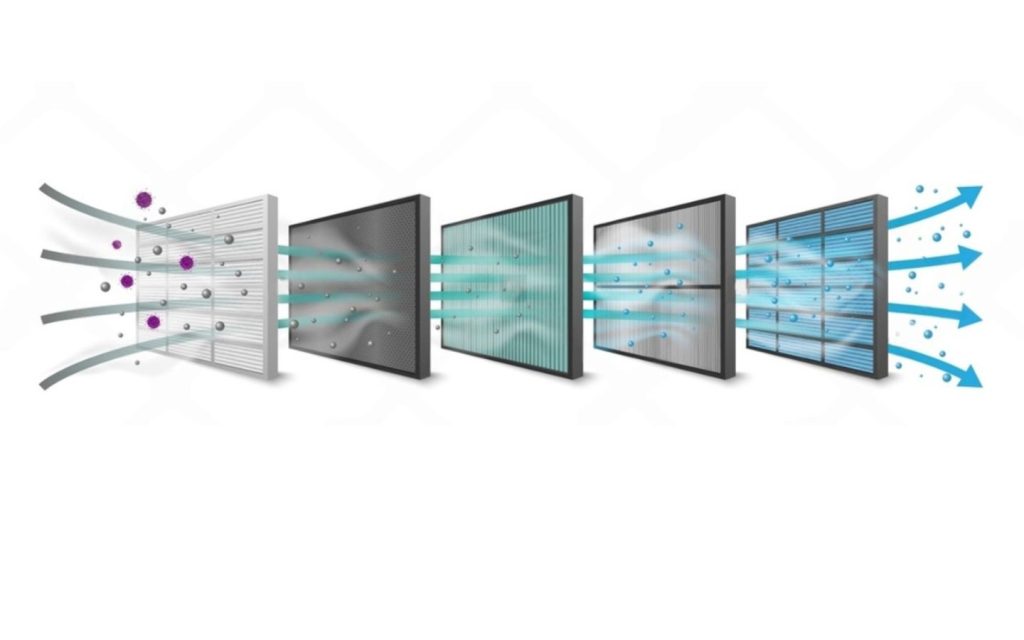
Antivirus cabin air filters use a multi-layer design to purify the air before it enters the vehicle’s cabin. The first layer targets fine particles, viruses and bacteria using specialised microfibre. Air then passes through an activated carbon layer, which helps neutralise odours and absorb certain gases. A secondary filtration layer supports particle removal, followed by an electrostatically charged section that captures any remaining ultra-fine contaminants.

By guiding incoming air through these stages, the filter reduces dust, pollutants and microbial particles, keeping the car cabin air fresh.
Antivirus Car Cabin Air Filter Effectiveness
A typical antivirus cabin air filter can capture particles between 0.05 and 2.20 microns, a range that includes various viruses and bacteria. After these pathogens are trapped, the filter’s specialised layers help break down their protein structure. This process supports cleaner airflow and lowers the likelihood of airborne transmission within the cabin.
For consistent performance, the cabin air filter should be replaced regularly, generally once a year or every 15,000 km, to maintain effective filtration.
FAQs
Do antivirus cabin air filters actually work?
Yes, the antivirus cabin air filters can improve in-cabin air quality by trapping finer particles, viruses and bacteria more effectively than standard filters.
How do antivirus cabin air filters differ from regular filters?
Regular filters primarily target dust and pollen, whereas the antivirus filters use multiple layers and specialised coatings to capture smaller particles and deactivate certain microbes.
Can antivirus filters remove bacteria, dust and allergens?
The antivirus filters are designed to capture a wide range of contaminants, including dust, allergens, bacteria and some viruses. Their multi-layer construction enhances overall filtration efficiency.
Are HEPA cabin filters effective for UAE driving conditions?
Yes, HEPA filters perform well in dusty environments, making them suitable for the UAE. They capture ultra-fine particles but may require more frequent replacement due to weather conditions.
How often should antivirus cabin filters be replaced?
Typically, the cabin air filter should be replaced once a year or every 15,000 km. However, if there are signs of a bad cabin air filter, it can be replaced before the period.
This is all about the antivirus cabin air filter, its working and benefits. This filtration process helps reduce the likelihood of airborne diseases and viral transmission inside the vehicle. Many new cars for sale in the UAE now feature antivirus cabin air filters to improve in-cabin air quality. The upgrade is also available in the aftermarket, making it a practical addition for enhancing air quality in used cars, too.
Stay connected with dubizzle’s auto blog to know the difference between HEPA vs standard cabin filters.
Related Posts