

Properties for rent in Dubai•1,482 Ads



Ready to list your home?
Reach buyers and renters fast


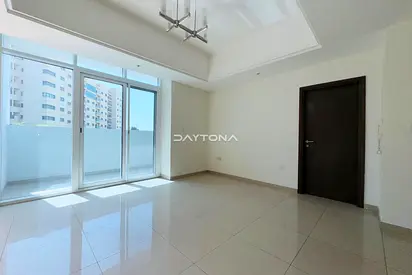
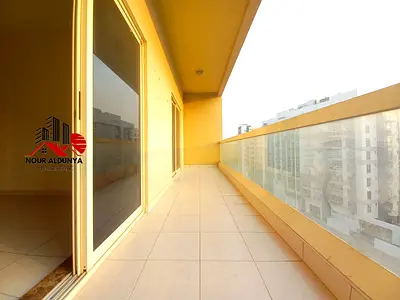

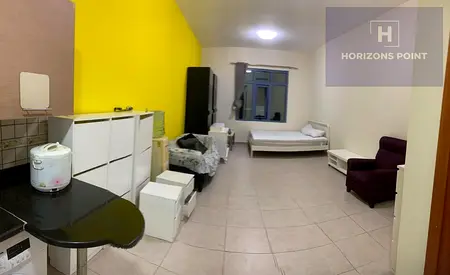
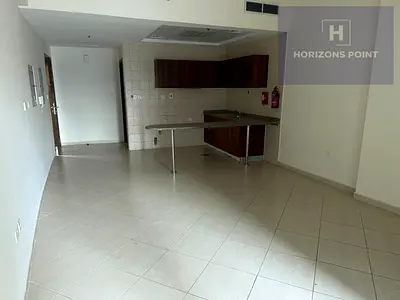
Property rentals in Dubai
With a population of over 3 million people, the Dubai real estate and rental market offers a huge choice when it comes to finding the right place to live. Whether you’re looking for a luxury villa in the most sought after neighbourhood, an affordable apartment that’s close to your office, or a rent-to-own property – Dubai has it all, and at the best prices, you could expect.
The different types of rental properties available include everything from short-term to long-term lets, fully furnished, unfurnished and partly-furnished properties, and contracts that cover yearly, monthly and even weekly durations.
You’ll also be pleased to know that Dubai continues to be a tenant’s market and there are countless options for people planning to move to a new home or those just arriving in Dubai to set-up. However, even with a plentiful supply of apartments and villas to rent or own in the emirate, there are some key things to consider before making any decisions.
Is it expensive to live in Dubai?
It can be. It all depends on what kind of home you are looking for, your desired location, size of the property, and the facilities or amenities that are on your wish list. The most expensive areas in Dubai that offer luxury living continue to be the likes of Palm Jumeirah and Emirates Hills whilst other more affordable areas popular with expats include the Dubai Marina, Jumeirah Lakes Towers (JLT), Jumeirah Beach Residence (JBR) and Business Bay.
If you’re new to the UAE, it could be worth looking for a fully furnished home so you can unpack your suitcase and get settled right away. There are some partly-furnished units where the cost of the household appliances are included in the overall rent. Of course, the option of an unfurnished home provides you with the most affordable option and a blank canvas to work with. If you set a budget for furnishing your new place, you can get some great deals on second-hand appliances and furniture from the classifieds section of dubizzle.
It’s also worth looking for ‘Chiller Free’ apartments which can certainly save money in both the short-term and long-term. This term means that the landlord takes on the cost of cooling rather than the tenant, who instead, only pays for the consumption of electricity other than the air-conditioning. In addition to this, many buildings provide free use of a gym and swimming pool and fees for this will be covered by your landlord and included in the tenancy contract. In areas like the Springs or the Meadows, shared community pools are common.
There are also ways in which you can add to your negotiating power when it comes to agreeing to the final and best price. Rent in Dubai is normally paid by cheque but if you are able to reduce installments by paying in one cheque rather than four, then you should be able to negotiate your rent down, also making payment easy. The money saved here can go towards other set-up costs like removal fees or registering with new utilities companies.
The Dubai Land Department also announced in 2019 that it’s already looking into a proposal to freeze rents for up to three years once landlords and tenants sign a contract. This could be good news providing a sense of stability for tenants as well as help to achieve a balance between the issue of supply versus demand in the local property market.
Deciding between old and new
A decade ago the Dubai property market was very different. For starters, everything was new. Ten years on, in what is now a developed market with a plentiful supply, it means that some buildings in Dubai are already classed as being ‘old’. What’s more, this also has a bearing on rental prices. There is now a clear distinction when it comes to differentiating between old and new and the difference in price can increase anywhere from 20 to 50 percent per square foot for newer, more modern properties. If the price is the main factor for you, then this, as well as location, will be the two biggest considerations when searching for a property.
How do tenancy contracts work?
Typically, tenancy contracts are renewed every year. The agreed number of cheques for the total value has to be predated, signed and handed over at the time of signing the contract. This guarantees the long term commitment to the landlord, however, there is always a clause about terminating the tenancy agreement early in case of need. If you are looking for something more temporary, there are short term rental options that you can consider - from luxury hotel apartments through to private homes that are let out on a monthly/quarterly basis. The inventory of short-term rental units available across the UAE is constantly getting bigger, so you are bound to find the right temporary home for you.
What about ‘Rent to Own’ homes – are they a good idea?
Typically, potential investors are usually put-off buying property in Dubai due to the significant down payment required initially. However, the current market with lower prices and the availability of affordable homes provides an ideal opportunity for anyone looking to invest and become a homeowner. While off-plan projects are popular, many investors feel more comfortable buying a property that’s ready to move into. Hence, the rent to own option is gaining traction across the UAE, helped by the fact that government regulations have made it an attractive and legally safe investment opportunity.
So, what is it and how does rent to own work? In short, it’s a predetermined rental and future sale agreement with a defined timeframe. Despite there being a small upfront payment for most of the schemes available, the option is still less costly than the usual down payment of around 25-30% of the value of a ready-to-buy property. The rent is paid by the tenant which, if you decide to buy after a lock-in period, is then converted into equity towards buying the home. The idea is that the rental paid over the agreed timeframe contributes as payment towards then being able to buy the property once the lock-in period is complete if the tenant wants to do so.
- Accounting / Finance
- Automobile
- Beauty / Salon
- Cleaner / Housekeeper
- Construction
- Cook / Chef
- Customer Service / Call Centre
- Data Management & Analysis
- Design
- Driver / Delivery
- Education
- Engineering
- Event Management & Operations
- Handyman / Technician
- HR / Admin
- Information Technology
- Legal Services
- Logistics & Distribution
- Manufacturing / Warehouse
- Marine Captain / Crew
- Marketing / Advertising
- Media, Art & Entertainment
- Medical / Healthcare
- Real Estate
- Restaurant Operations
- Sales / Business Development
- Secretarial / Front Office
- Security / Guard
- Sports & Fitness
- Travel & Hospitality
- Others
- Jobs Wanted
- Electronics
- Computers & Networking
- Business & Industrial
- Home Appliances
- Sports Equipment
- Clothing & Accessories
- Cameras & Imaging
- Jewelry & Watches
- Pets
- Musical Instruments
- Gaming
- Baby Items
- Toys
- Tickets & Vouchers
- Collectibles
- Books
- Music
- Free Stuff
- Lost/Found
- DVDs & Movies
- Furniture, Home & Garden
- Mobile Phones & Tablets