
Dubai’s real estate market is one of the most vibrant in the world. It attracts investors and landlords from across the globe. However, like any other real estate market, challenges such as tenants failing to pay rent can arise. If you’re a landlord in Dubai and facing this issue, it’s essential to know the legal framework and steps you can take to protect your rights.
Here are some steps you can take if the tenant doesn’t pay rent. The process mentioned below outlines the essentials and requirements.
What to do if the tenant doesn’t pay rent? Steps to Follow
Dubai is home to a plethora of rental properties, from apartments to townhouses or villas. In this ever-evolving rental market, landlords often face certain challenges such as a tenant not paying rent. In such cases, landlords can seek legal help to sort out the issue and acquire the due payment. Here’s how to handle non-paying tenants with the help of the steps mentioned below.
Get in Touch With the Tenant
The first step when a tenant doesn’t pay rent is to initiate communication. Often, non-payment may result from temporary financial difficulties, misunderstandings or oversight. Reach out politely through phone calls, emails or in-person meetings to understand their reasons. Establish an open line of communication to create a cooperative atmosphere. Doing so helps both parties to discuss a solution, such as partial payments or a revised payment schedule.
In your conversation, remind the tenant of the terms of the lease agreement and the importance of timely payments. Be professional and document all interactions, including dates and the content of discussions. This record and communication with non-paying tenants can be evidence if the issue escalates to legal proceedings.

Opt for a Non-Payment Rental Notice

If the tenant continues to withhold rent, issuing a formal non-payment rental notice is the next step. This document serves as an official reminder of their obligation to pay rent as per the lease agreement. It should include details like the amount owed, the payment deadline and the consequences of non-compliance, such as a tenancy eviction notice in Dubai.
This written notice ensures that you have a documented trail of your efforts to address that the tenant doesn’t pay rent. It also serves as a warning to the tenant, motivating them to resolve the matter before it escalates further. Besides, ensure the notice aligns with the requirements of the local rental laws in Dubai to maintain legal validity.
Turn to RDC Dubai
If communication and notices do not resolve the issue, landlords in Dubai can approach the Rental Disputes Center (RDC). The RDC is a specialised body that handles rental disputes and offers mediation services to find amicable solutions between landlords and tenants.
Before approaching the RDC, prepare all necessary documentation that indicates that the tenant doesn’t pay rent. These include the lease agreement, payment records and copies of notices served to the tenant. The RDC may attempt to mediate the dispute, allowing both parties to avoid lengthy legal battles. Mediation often results in quicker and less costly resolutions for landlords and tenants.
Issue an Eviction Notice
When all previous measures fail, issuing an eviction notice becomes necessary. In Dubai, landlords must adhere to specific laws and procedures outlined by the Real Estate Regulatory Agency (RERA) when serving an eviction notice. This notice must state the reason for eviction and provide the tenant with the required notice period.
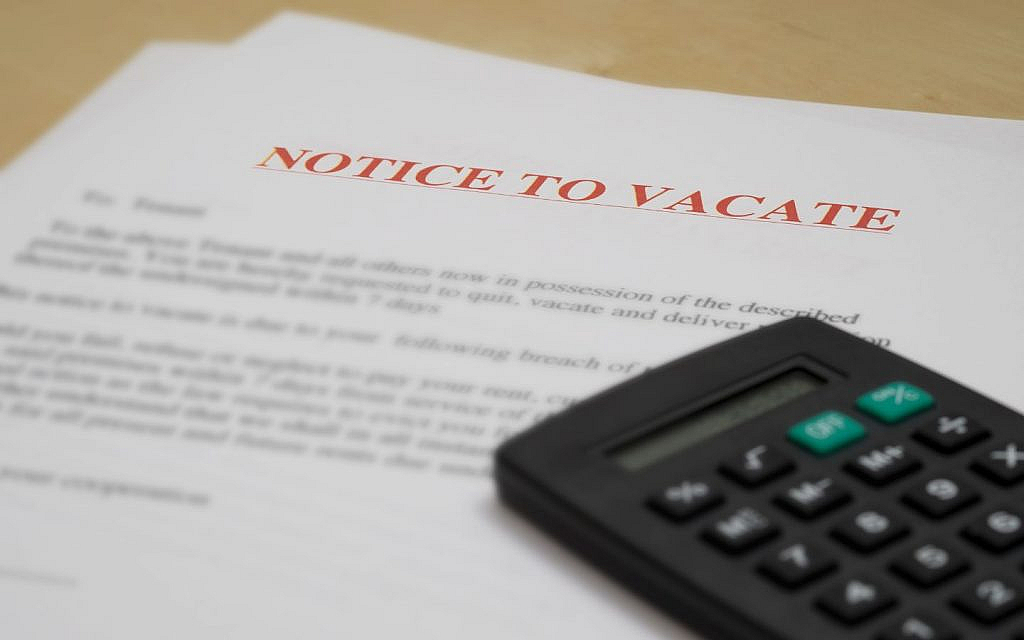
Ensure that the eviction notice is delivered legally, either through a registered courier or RDC-approved methods. Additionally, landlords must file an official eviction case with the RDC if the tenant refuses to vacate. Following legal protocols ensures eviction is enforceable and protects the landlord from potential claims of unlawful eviction.
Get Legal Help
If the dispute escalates to a point where legal action is necessary, consult with a legal professional experienced in rental properties in Dubai. An attorney can guide you through the legal framework, help prepare your case and represent you in court if required.
These legal actions for unpaid rent mean landlords’ rights in Dubai are upheld while minimising potential risks. A lawyer also helps navigate complex situations, such as tenants who contest the eviction or refuse to comply with court orders. Investing in professional legal advice increases the likelihood of a favourable outcome.
FAQs
How long does it take to evict a tenant in Dubai?
In line with Dubai rental laws, the landlord must notify the tenant 12 months in advance of the eviction date.
Can a tenant refuse viewings in Dubai?
A tenant in Dubai can refuse viewings if they are not notified in advance or if the viewings disrupt their privacy, as per RERA guidelines.
What are my rights as a tenant in Dubai?
The tenants in Dubai have the right to privacy, timely maintenance, fair rent and proper notice for contract changes, as outlined by RERA.
These were some steps to follow if the tenant doesn’t pay rent in Dubai. Timely rent payment is a crucial part of any rental agreement and all the tenants must adhere to it.
On another note, those who want to settle in the megacity can browse through these options:
Also, if you’re looking for investment opportunities, consider these new residential projects in Dubai. They offer a myriad of options to help diversify your real estate portfolio.
To learn more about landlords’ rights and tenants’ responsibilities in Dubai, stay tuned to dubizzle’s property blog.