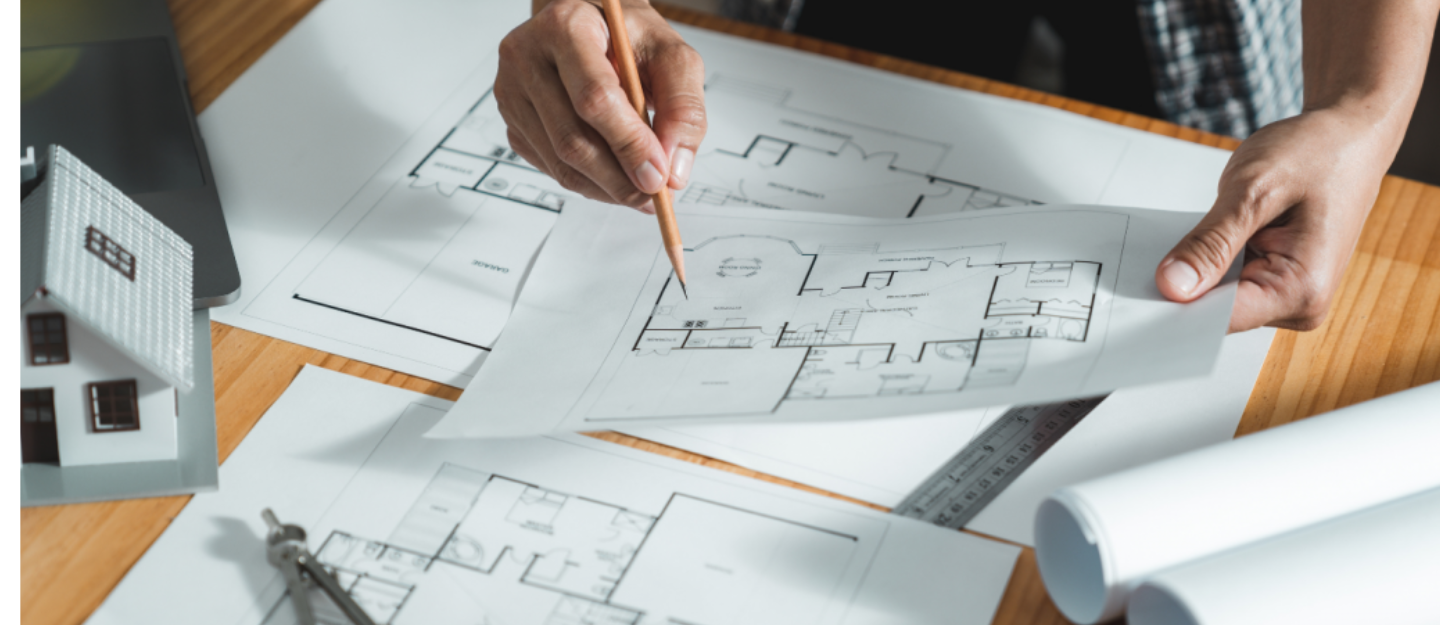
Buying an off-plan property is an easy way to get your desired home in an up-and-coming project. Moreover, you can see each home construction phase as an off-plan property buyer, making it a little more exciting. Generally, the construction of an off-plan property comes with several phases. Learning about every process phase is how to stay informed about the property’s progress. Here’s a detailed overview for the stages of construction of off-plan home and what happens at each stage.
Phases to Expect During the Construction Phase of Your Off-Plan Home
An off-plan home goes through several home construction phases before taking its final shape. Some off-plan projects even get canceled before the start of any phase. Therefore, you must know how to deal with cancelled off-plan projects. Here are all those faces your off-plan home will go through.
Pre-Construction Phase
The journey for your new home starts long before its construction begins. The developer works on obtaining permits, finalising plans, and ordering materials during this phase. The pre-construction phase can take a few weeks to several months. This depends upon how quickly the necessary permits are approved by RERA and other official authorities.
The builder then prepares the site, clearing the land of trees, rocks and other obstacles. The builder also plans utility connections at this time. It is ensured that water, electricity and sewer systems are ready when construction begins.
Foundation and Site Preparation
The first major step in construction is laying the foundation. The site is carefully prepared and the foundation forms are set. This includes in-slab plumbing and setting up structural elements like footings and reinforced bars. You must have an off-plan properties checklist to know all this even better.
After laying the foundation, it must adhere to all the business codes and laws. A weak foundation can make the home vulnerable to cracks, leaks and earthquakes. Therefore, the UAE has strict real estate laws for this. This stage can take a few weeks, such as the curing time needed for the concrete to set correctly.
Framing the Structure
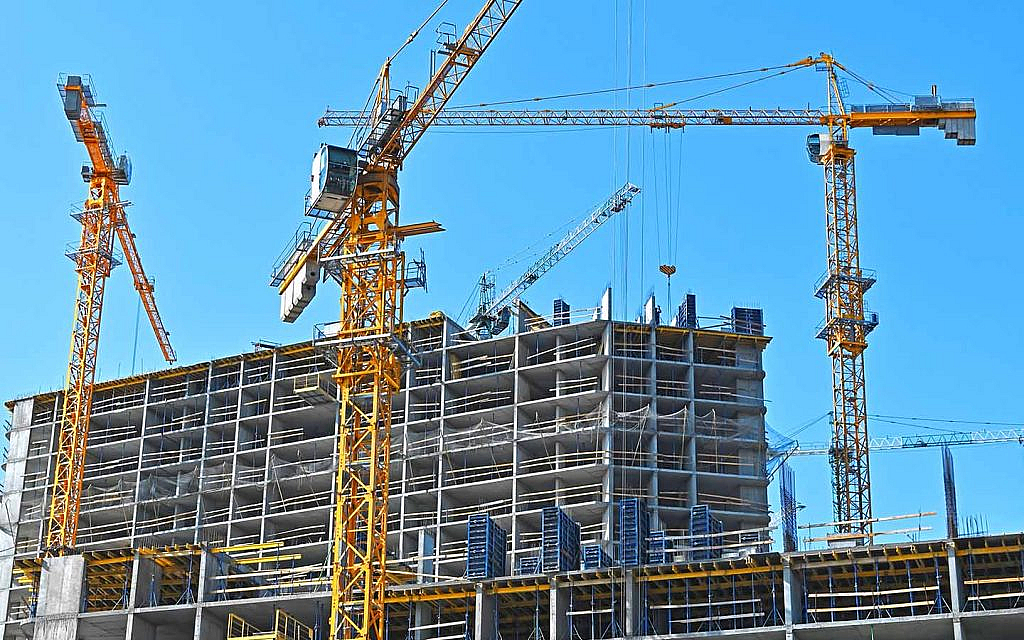
After the foundation and site preparation, the next part comes, which is the framing. This phase is about building the house’s framework or the skeleton whereby the walls, the floors and the roof trusses are instilled. This is where the house begins to show a shape and you can get a general idea of the kind of house you will live in. Furthermore, evaluating a real estate developer before buying off plan properties in the UAE is important.

In most cases, the framing process takes a couple of weeks. But this mostly depends upon the size and design of the house. This stage also involves fixing the sheathing. Sheathings are panels that are applied to the exterior walls of the building for strength and aesthetics. Once the structure is completed, you can apply for structural inspection in Dubai.
Roofing and Exterior Work
After the framing, the roof is installed. This process includes laying down decking, flashing and shingles, which protect the home from the weather. Windows and exterior doors are also fitted during this stage.
With the roof and windows in place, the house is considered ‘dried in,’ meaning it is protected from the elements. The exterior walls are covered with water-resistant sheathing, allowing the interior work to begin without the risk of weather damage.
Installing Critical Systems
With the structure in place, the focus shifts to the interior. Critical systems like plumbing, electrical wiring and HVAC (heating, ventilation and air conditioning) are installed. Plumbers lay pipes for water and sewage, electricians run wires for outlets and lights and HVAC technicians install ductwork for heating and cooling.
Each of these systems requires inspection to ensure they meet safety and building codes. This stage is complex and involves a lot of coordination among different tradespeople. That said, it is a crucial phase for making the home livable.
Insulation and Drywall
Once the structure is set and completed, the attention turns to the interior. Structural features such as water supply, drainage, lighting and electrical systems are put in place. Pipes are installed for water and sewage, wires for outlets and lights and HVAC technicians install ducts for heating and cooling. Furthermore, if you want quality work, choose the top roof insulation and waterproofing companies in Dubai.
All these systems need to be inspected to conform to the safety and building standards. This stage is time-consuming and requires coordination of several contractors – but is necessary to make the home comfortable.
Interior Finishes
With the drywall in place, work moves on to interior finishes. This includes installing cabinetry, countertops, flooring and trim. Kitchens and bathrooms are fitted with cabinets and plumbing fixtures and final touches like painting, installing light fixtures and fitting doors are completed.
The interior appliances are also installed in this phase and final systems like electrical outlets, switches and thermostats are connected. This stage is one of the last stages of construction of off-plan home and involves many small details that need to be perfect before the home is ready for move-in.
Final Inspections and Handover

Before the stages of construction of off-plan project end, the developer holds some final property inspections. These inspections are important to ensure that all the boxes are ticked.
A final ‘blue tape’ walk-through is conducted. This is where you can point out any minor defects that need fixing. The defects can be paint touch-ups or misaligned fixtures. Once all issues are addressed, the builder will clean the home and hand over the keys to you. Now the home is yours and you can move in.
Post-Construction
After moving in, it’s common to have a warranty period where the builder addresses any defects or issues. Regular maintenance checks, such as inspecting for leaks or checking the performance of installed systems, are important. These checks ensure your new home remains in good condition. This post-construction phase ensures you settle comfortably into your new home without major hiccups.
FAQs
Can I make changes during the construction of my off-plan home?
Yes, changes can be made during the early construction stages. However, they can affect timelines and costs. Always consult your builder for possible adjustments.
What should I do if construction is delayed?
Delays can occur due to weather, permit issues or material shortages. Regularly contact your builder to understand the reasons and updated completion estimates. If the project is still delayed, you must know how to handle delayed off-plan property.
Will I have access to the site during construction?
Access may be limited due to safety regulations during stages of construction of off-plan home. However, builders often arrange site visits during key stages to review progress and address concerns.
How are construction defects handled after move-in?
Most builders offer a warranty period for any defects to be repaired. If there are any issues with the property, you must report them urgently. It’s suggested to report issues within the first 6 months.
There you have it, all you should expect during the stages of construction of off-plan home. Building an off-plan home is an exciting journey that involves many stages. By staying involved and communicating regularly with the builder, you can ensure that the new home is everything you want. Knowing what to expect can make the process smoother and more enjoyable as you watch your dream home come to life. However, always know the risks of buying off-plan properties in Dubai and other emirates before making the final call.
To find an ideal off-plan home, explore these new residential developments in the UAE.
For more information on off-plan homes, keep visiting the dubizzle property blog.