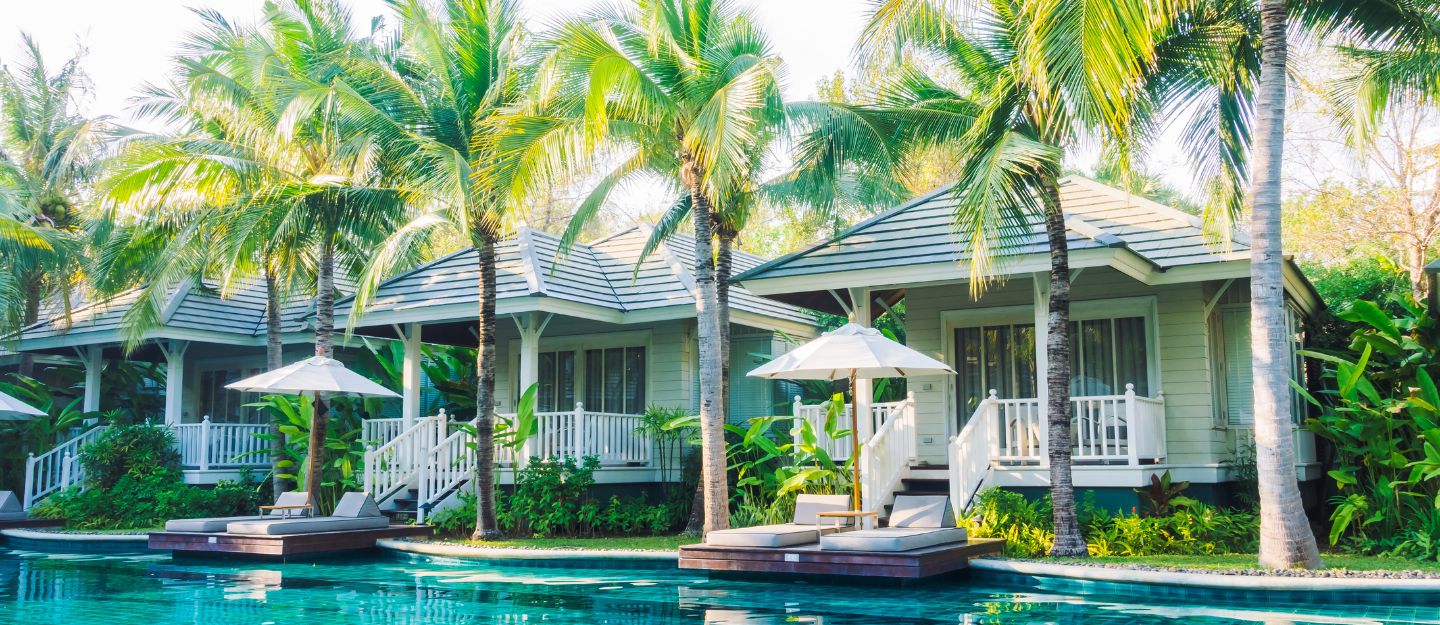
Dubai’s short-term rental market remains popular due to its convenience, diverse range of options and relatively streamlined processes. This momentum is further supported by steady tourism growth and Dubai’s positioning as a global hub for business, leisure and major events. While rising visitor numbers point towards stronger demand for holiday homes, a steady supply of new units can balance the growth. A closer look at Dubai’s short-term rental trends helps clarify whether demand is still increasing or beginning to stabilise.
Dubai Holiday Home Market Trends
Dubai’s holiday home market has continued to expand, supported by multiple factors.
Tourism Growth in 2025
Between January and November 2025, Dubai welcomed around 17.55 million overnight visitors, reflecting a 5% year-on-year increase. During the same period in 2024, the city recorded 16.79 million visitors.
Hotel Performance Indicators
Alongside sustained tourism growth, other key performance indicators of the hospitality sector have also shown positive momentum. Dubai’s hotel sector offered 153,534 rooms at the end of April 2025. Moreover, the occupancy rate remained at 79.4%, a key indicator of sustained demand in the sector.


Average Daily Rent (ADR)
The ADR rose by 6%, standing at AED 531 in 2025. A rising ADR indicates that guests are willing to pay higher rates, signalling continued demand rather than a slowdown. The higher ADR has also been reflected in the dubizzle’s 2025 short-term market report, showing an average monthly rent increase of 9.38% in Downtown Dubai and 9.22% in Jumeirah Beach Residence (JBR), both of which remain among Dubai’s popular areas for short-term rentals.
Taken together, these indicators point towards an expanding demand for short-term rental properties in Dubai.
Why Short-term Rental Demand in Dubai Is Increasing
Multiple factors and performance indicators reflect strong, positive momentum in the short-term rental market of Dubai. This growth is driven by several underlying factors that strengthen the market’s sustainability.
Consistent Tourism Growth
Dubai has consistently ranked among the world’s most visited cities, supported by its strong law and order environment, iconic landmarks and a wide range of attractions and experiences. The city is also known for hosting major international events such as GITEX Global, along with conferences, shows and year-round festivals that continue to draw audiences from all over the world.
Beyond tourism, Dubai has positioned itself as a leading hub for business and commercial activity, which further adds to overall visitor footfall. To cater to this sustained influx, holiday homes play an increasingly important role in expanding accommodation options alongside hotels and hotel apartments.
Streamlined Holiday Home Regulations
One of the key drivers of short-term rental demand in Dubai is the transparent and convenient process. Owners can convert their property into holiday homes by applying for a permit through the Dubai Department of Economy and Tourism (DET). The permit costs around AED 370 and is typically issued within one business day.
Beyond licensing, managing a holiday home and reaching potential tenants is also relatively straightforward, supported by classified platforms such as dubizzle. As one of the UAE’s leading platforms with millions of active users, dubizzle helps connect landlords and tenants more efficiently, providing wider visibility and more choices for those looking to rent properties in Dubai.
Diverse Property Options
Another factor driving short-term rental demand in Dubai is the diversity of available property options. From waterfront villas to high-rise apartments and premium penthouses, the market caters to a wide range of lifestyles and stay requirements. Beyond luxury units, there are a number of short-term rental properties in Dubai are also available in affordable neighbourhoods, making it a practical choice for visitors travelling on a budget.
FAQs
What factors are driving short-term rental demand in Dubai?
The key drivers of short-term rental demand in Dubai include consistent tourism growth, major international events, business and trade activity, streamlined holiday home regulations and a tax-free, investment-friendly environment.
How do occupancy rates compare year-on-year in Dubai?
The hotel occupancy in Dubai has increased year-on-year, standing at 79.4% in 2025, which was 77% over the same period in 2024.
Are short-term rentals still profitable in Dubai?
Rising average daily rates (ADR), increasing monthly rents in key communities and strong occupancy levels suggest that the segment remains attractive. However, profitability depends on factors such as location, property type, management quality and market competition.
This highlights how short-term rental demand in Dubai has remained strong in recent years, supported by factors such as steady tourism growth and relatively streamlined processes. Aside from tenants, the emirate’s tax-free, investment-friendly environment also adds to the segment’s appeal for investors. With a wide range of properties for sale in Dubai, buyers can also explore the option depending on their goals and preferences.
Stay tuned to dubizzle’s property blog for more information on the seasonality of Dubai’s short-term market.