
Shared accommodation has become a defining aspect of urban living in Dubai, offering an affordable alternative to solo renting. The city’s multicultural environment creates a unique atmosphere in co-living spaces, where residents from different backgrounds come together. With options ranging from private rooms to shared flats, the appeal of sharing accommodation in Dubai extends across various lifestyles.
FAQs About Sharing Accommodation in Dubai
Shared rent and bills, companionship and emergency assistance, the advantages of renting with roommates in Dubai are plenty. However, concerned authroties have set rules all tenants must follow. The rules and regulations regarding shared housing in Dubai also protect all parties involved.
Detailed below are FAQs about shared accommodation in Dubai for a better understanding of the process, rules and etiquette.
Is it legal for unrelated individuals to share an apartment in Dubai?
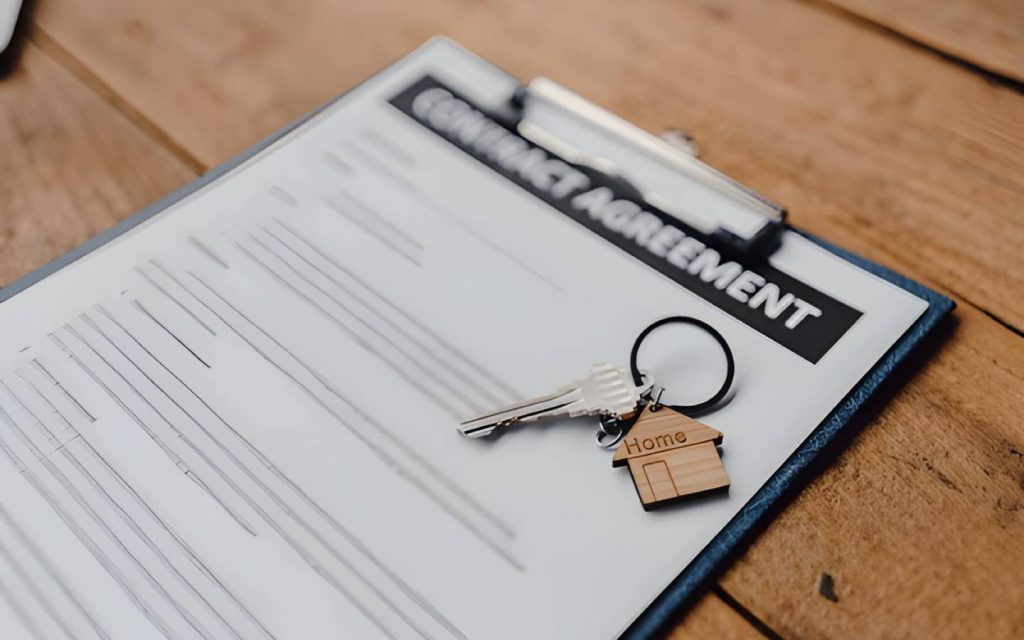
It’s legal for unrelated individuals to share an apartment in Dubai only if the landlord gives written permission.

How much does shared accommodation in Dubai typically cost per person?
The price varies depending on the unit, location and available amenities. Generally, rooms in luxury areas like Dubai Marina and Palm Jumeirah have higher rent compared to affordable neighbourhoods like Dubai Internet City and Arjan.
What should expats check before moving into shared accommodation in Dubai?
It’s important to verify the landlord’s ownership and RERA-licensed agent status. Moreover, inspect the property in person, ensure the tenancy contract is registered with Ejari and clearly define shared‑living rules.
How does Ejari registration work for shared accommodation in Dubai?
Ejari registration for shared accommodation requires listing all co‑occupants’ details in the tenancy contract and registering them via the Dubai REST app.
How can tenants split rent and utility bills in shared accommodation?
Tenants can split rent and utility bills in shared accommodation by creating a written agreement (separate from the tenancy). It can outline each person’s share and payment schedule.
Are there occupancy limits or regulations for shared housing in Dubai?
Yes, there are occupancy limits based on the types of occupants. For instance, a maximum of 8 people can reside in a labour accommodation room.
What risks or fines can result from illegal shared accommodation in Dubai?
Violators could face fines, eviction and legal action for illegal shared accommodation in Dubai.
What rights and responsibilities do tenants have in shared accommodation in Dubai?
Tenants must get written landlord permission to sublet or share, register all occupants on the Ejari contract, pay rent on time and maintain the space.
Can partitions be used inside the apartment?
Only approved partitions installed with the landlord’s and Dubai municipality’s permission are allowed. Unauthorised partitions are illegal and can trigger fines and eviction.
There you have it, answers to common questions regarding sharing accommodation in Dubai. The aforementioned FAQs about sharing a flat in Dubai can help individuals better understand the process.
Shared accommodation in Dubai can be a cost-effective and enjoyable way to live, if it’s done legally and responsibly. Always prioritise transparency, proper paperwork and know the laws and rules for sharing accommodation in Dubai. This protects not only your financial security but also your comfort and peace of mind.
Many shared accommodation communities in Dubai are popular choices among people opting for this mode of occupancy. Besides these, individuals can find numerous rooms for rent in Dubai in some of the most well-known communities.
Stay tuned to dubizzle’s property blog for information about shared housing in Dubai and other Emirates.