
- Rules for Expats Buying a Property in Abu Dhabi
- Rules for Expats Buying a Property in Dubai
- Rules for Expats Buying a Property in Sharjah
- FAQs
The UAE real estate market continues to attract investors from around the world. Strong rental yields, capital growth potential and a tax-friendly environment make it a popular destination for property investment.
Today, foreigners buying property in the UAE can access a wide range of residential and commercial opportunities across designated ownership areas. Whether for investment, relocation or long-term residency, the Emirates offers an attractive property market.
UAE Property Laws For Foreigners
Buying property in the UAE has become a sought-after option for expatriates seeking investment opportunities, long-term residency or a second home. Understanding the ownership regulations in the different emirates is essential before making a purchase.
RULES FOR EXPATS BUYING A PROPERTY IN ABU DHABI

In Abu Dhabi, property ownership rules are set out in Law No. (19) of 2005, which defines the areas where non-nationals can purchase property. Expats typically buy apartments or villas in designated areas, while land ownership remains restricted.
As per Abu Dhabi’s expat property laws, within permitted zones, foreigners can access different ownership structures, including ownership rights, Musataha, usufruct and long-term lease arrangements.
Ownership Structures
- Ownership grants expats rights to the property for up to 99 years, with full control to modify, use or dispose of the asset within the agreed terms.
- Musataha grants usage and development rights for up to 50 years, with the option to renew upon mutual agreement.
- Ususfruct allows the usage of property for up to 99 years without making structural changes.
- Long-term lease agreements allow use of the property for at least 25 years under agreed conditions.
Freehold Areas in Abu Dhabi
Expats can invest in several designated freehold areas in Abu Dhabi, including Yas Island, Saadiyat Island, Reem Island, Al Raha Beach, Masdar City, Al Reef, Al Maryah Island, Lulu Island and Sayh Al Sedairah.

AMENDMENTS IN THE ABU DHABI PROPERTY LAW FOR EXPATRIATES
The Abu Dhabi Government amended the emirate’s real estate law in 2019. The law consists of two new amendments.
According to Article 3, property ownership is permitted for UAE nationals and legal entities, public joint-stock companies with foreign ownership not exceeding 49%, and individuals authorised by the Abu Dhabi Crown Prince or the President of the Executive Council. In addition, non-UAE nationals may own and acquire property rights in designated investment areas within Abu Dhabi.
Article 4 stipulates the changes for Musataha and Usufruct holders. Changes include the rights of the Musataha and Usufruct holders to dispose of the property after 10 years of ownership without the landlord’s permission. Moreover, the law provides the mortgage right and the landlord can not mortgage the property without the consent of Usufruct and Musataha holders.
RULES FOR EXPATS BUYING A PROPERTY IN DUBAI
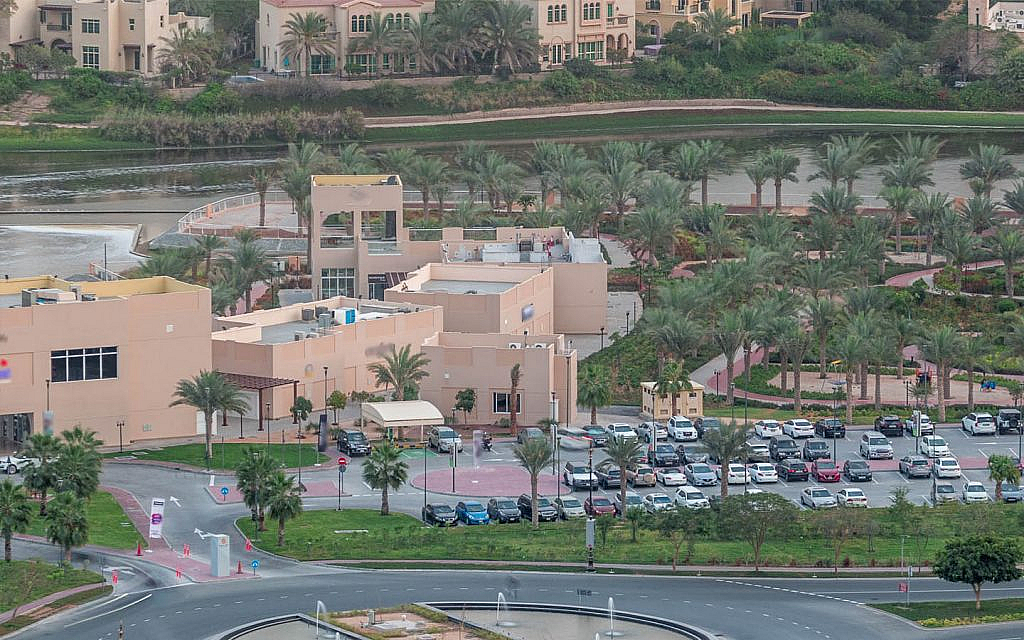
For expats, the rules for property buying in Dubai for expats are primarily set under Regulation No. 3 of 2006, which defines the areas where non-nationals can purchase property. You can easily buy properties in Dubai in the designated freehold areas..
Within these designated zones, foreigners can obtain freehold ownership, as well as usufruct rights or long-term leasehold options of up to 99 years.
Freehold Areas in Dubai
Expats can invest in several established freehold areas in Dubai, including Business Bay, Dubai Harbour, Dubai Marina and Mirdif. Popular options for apartments and villas include Palm Jumeirah, Jumeirah Village Triangle (JVT), Jumeirah Village Circle (JVC), Motor City and Damac Hills.
Ownership Options
Foreign nationals buying property in Dubai can choose between freehold and leasehold structures depending on their investment goals. Each option comes with different rights, duration and benefits.
Legal Process and Fees
Property transactions are regulated by the Dubai Land Department (DLD), which issues title deeds and oversees the registration process. The process includes a 4% transfer fee, administrative charges, mortgage registration costs (if applicable), agent commissions and any developer-related fees.
Ongoing Costs
After purchase, owners are required to pay annual service charges. These are managed by the Owner’s Association or property management companies and are calculated according to RERA guidelines under DLD.
RULES FOR EXPATS BUYING A PROPERTY IN SHARJAH

Under Sharjah’s property regulations, foreign nationals and foreign-owned companies in the UAE cannot hold freehold ownership of property in the emirate. However, they may obtain usufruct rights for up to 100 years in designated areas approved by the Government of Sharjah.
These rights are only granted after obtaining special approval from the Ruler of Sharjah and registering the usufruct interest with the Sharjah Real Estate Registration Department (SRERD). The arrangement allows expats to use and benefit from the property for the specified term while complying with local regulations.
Ownership Structure
Expats may acquire usufruct rights for up to 100 years in approved areas, subject to the required governmental approvals and registration procedures.
Legal Requirements
All usufruct rights must be registered with SRERD. Approval from the Ruler of Sharjah is required and the property must be located within a designated area approved for foreign usufruct ownership.
FAQs
Are there specific rules to follow for foreign property ownership in the UAE?
Yes, expats must follow emirate-specific property laws, purchase only in designated ownership zones and complete registration through a relevant land department.
Do the rules for buying property in the UAE for expats vary across different emirates?
Yes, rules differ across emirates, with Dubai offering wider freehold ownership, while Abu Dhabi and other emirates may include leasehold or restricted ownership structures.
What are some key considerations for buying property in the UAE for foreigners?
Key considerations include checking ownership rights, understanding visa eligibility linked to property value and completing all legal and registration formalities before purchase.
Buying a property in the UAE as an expat is a structured process shaped by clear regulations and emirate-specific rules. With defined ownership zones, legal safeguards and a transparent registration system, investors can confidently navigate the market. Understanding the requirements in advance helps ensure a smooth purchase and a secure long-term investment, especially when exploring new projects in the UAE.
Stay connected with the dubizzle property blog to learn more about real estate rules and regulations in the UAE.learn more about real estate rules and regulations across different emirates.