
- Building Trust
- Strengthening Financial Controls and Transparency
- Regulatory Compliance
- Supply Chain Risk Management
- Leveraging Data
- FAQs
As the property market becomes increasingly competitive, developers are under constant pressure to innovate and perform efficiently. In such an evolving environment, risk mitigation for real estate developers has evolved into a core business discipline. Those who manage risk effectively are better positioned to withstand market volatility and secure long-term growth.
Risk Mitigation For Real Estate Developers
Opportunities in real estate development are substantial, but they are often accompanied by multiple layers of risks. Financial volatility, regulatory changes, construction holdups leading to delayed off-plan property handover and market fluctuations often intersect.
Reputational risks can now also be amplified by digital scrutiny and increased stakeholder awareness. This makes a structured approach to risk identification essential. Early-stage feasibility studies, scenario planning and realistic demand assessments help reduce exposure. Equally important is recognising that unmanaged risks compound over time, eroding both profitability and credibility.
Detailed below are some risk mitigation and trust-building tips for real estate developers.
Building Trust Through Consistent Communication
Trust is built through consistency rather than promises. Clear and timely communication with investors, buyers and authorities reduces uncertainty. Regular progress updates, realistic construction timelines and early disclosure of challenges reinforce credibility.

Moreover, alignment between stated commitments and actual delivery strengthens brand perception. Over time, this consistency becomes a strategic asset, particularly in competitive urban markets.
Strengthening Financial Controls and Transparency

Strong financial governance forms the backbone of effective real estate development risk management. Clear budgeting frameworks, conservative leverage strategies and contingency reserves reduce vulnerability during market downturns.
Transparency also plays a crucial role. Accurate financial disclosures foster confidence among lenders, investors and partners. As a result, access to capital improves and disputes are less likely to arise. In contrast, opaque financial practices often trigger mistrust and regulatory attention.
Regulatory Compliance as a Trust Signal
Compliance is no longer viewed merely as a legal obligation. It is increasingly perceived as a signal of professionalism and reliability. Consistent adherence to planning regulations, environmental standards and safety norms reduces the likelihood of costly delays or penalties. Consequently, builders can provide realistic expected timelines for off-plan homes and other projects.
Proactive engagement with regulatory bodies also creates smoother approval processes. This approach demonstrates accountability and reinforces trust among stakeholders who value stability and predictability.
Contractor and Supply Chain Risk Management
Construction quality and timelines depend heavily on third-party performance. Consequently, contractor due diligence is a critical part of risk mitigation for real estate developers. Vetting past performance, financial stability and safety records minimises execution-related disruptions.
In addition, diversified supplier networks reduce dependency risks. When supply chains are resilient, projects are better positioned to absorb shocks caused by material shortages or price volatility.
Leveraging Data and Market Intelligence
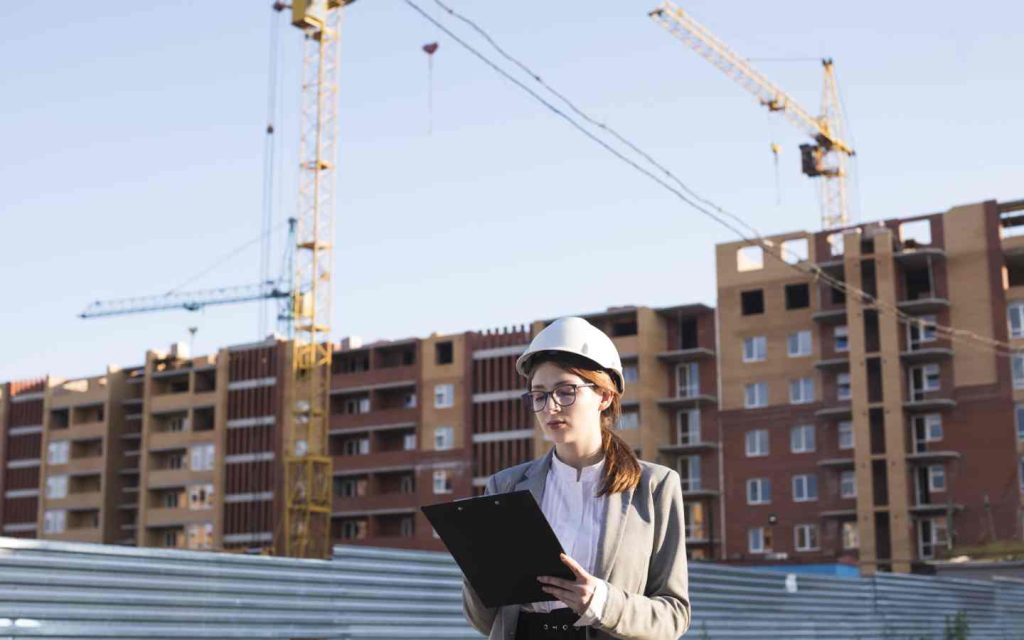
Leveraging technology is another effective method of reducing risk in real estate development. Data-driven insights are increasingly shaping successful development strategies. Market analytics, demand forecasting and real estate investment trend analysis support informed decisions. As a result, exposure to unsold inventory or misaligned product offerings is reduced.
Tec-enabled reporting also enhances monitoring across project lifecycles. This visibility supports faster corrective action and reinforces confidence among external stakeholders.
FAQs
Why is risk mitigation important for real estate developers?
Risk mitigation is important for real estate developers because it protects capital, ensures regulatory compliance and preserves long-term credibility.
How can developers build trust with buyers and investors?
Developers build trust with buyers and investors through transparent communication, consistent delivery and strict adherence to regulatory and financial commitments.
What role do escrow accounts play in reducing development risk?
Escrow accounts reduce development risk by safeguarding buyer funds and ensuring money is released only when predefined project milestones are met.
This is everything to know about risk mitigation for real estate developers. In an increasingly competitive and scrutinised environment, resilience depends on authentic trust-building and reducing risk in real estate development. Real estate developer credibility strategies extend beyond financial safeguards to encompass governance, communication and culture. When risks are systematically managed and trust is consistently earned, long-term viability becomes far more attainable.
Increased developer competition benefits off-plan buyers and timely delivery helps build rapport. Like the real estate project risk management strategies, some effective off-plan investment tips can help buyers safeguard their capital.
The UAE, with its diverse market and strong adherence to law, remains a haven for investors. The many new projects in the UAE by leading developers reflect the trust stakeholders have in the country. There are many UAE developers with international portfolio leveraging on their success in the region and making rounds globally.
Stay tuned to dubizzle’s property blog to learn about property development risk mitigation in the UAE and more.
![Every home has a story. Every story has a next step.
From your first key to the place you’ve always dreamed of, dubizzle Property is there for every move along the way.
Find your next moment with dubizzle Property .
لكل بيت حكاية، ولكل حكاية خطوة جديدة.
من البدايات الأولى إلى اللحظات التي تحلم بها، دوبيزل للعقارات تساعدك في العثور على المكان الذي يناسب كل مرحلة من حياتك.
اعثر على مكانك القادم مع دوبيزل للعقارات.
[dubai property, dubai real estate, dubai apartments, finding a home in dubai, dream home dubai, property in dubai, uae real estate, dubizzle property, dubai homes, luxury properties dubai]](https://www.dubizzle.com/blog/property/wp-content/plugins/instagram-feed/img/placeholder.png)