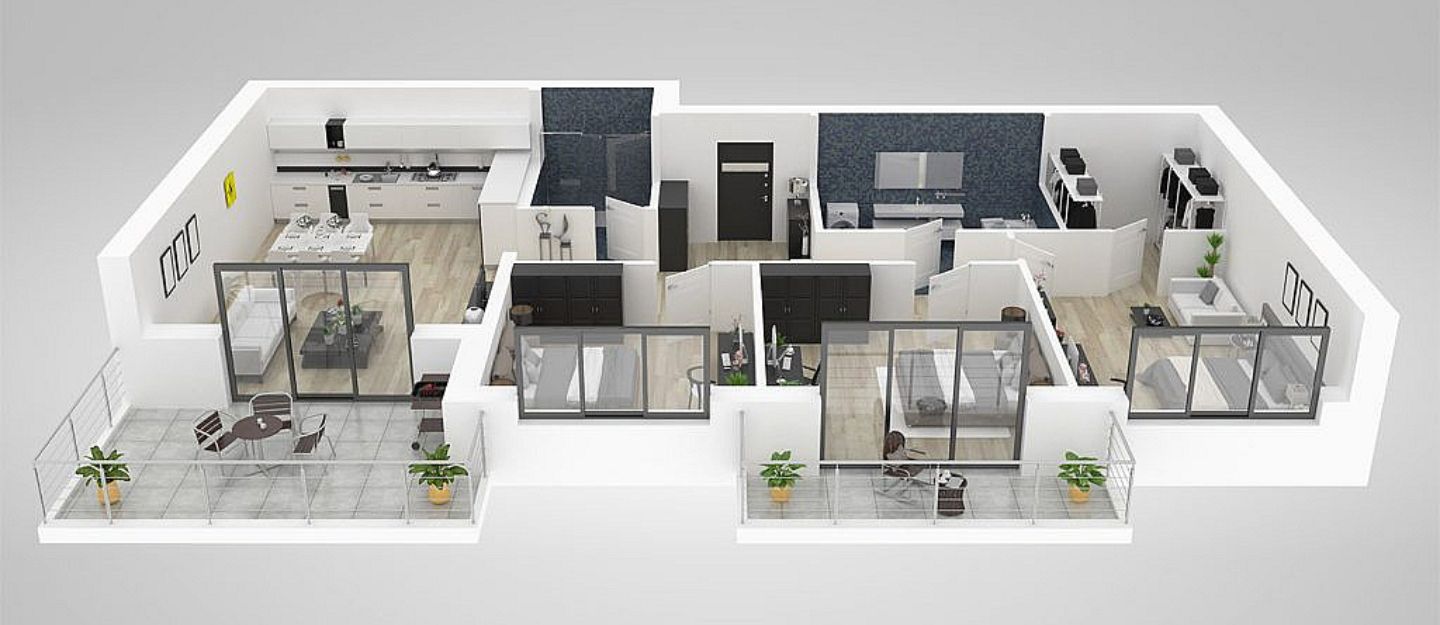
When you plan to buy a property off-plan, one of the first things you will encounter is the floor plan. Floor plans are an important part of off-plan properties, as they help us understand how the property will look in the future. They give an idea of the layout, room sizes and flow of the space. However, reading and evaluating a floor plan can be challenging. Many buyers feel confused when they read floor plans for the first time. Let’s explore the details that will help you understand how to read floor plans.
What is an Off-Plan Floor Design?
An off-plan floor design is a detailed drawing showing the layout of a property still under construction or not built yet. It visually represents the property’s rooms, doors, windows and walls. Developers provide these plans to potential buyers before construction is complete. They help buyers see how the property will be arranged and how much space each area will have.
Off-plan floor designs are crucial in off-plan purchases because they allow you to imagine the finished product. Developers also include measurements to show the size of each room and space. Additionally, they often use symbols for doors, windows and other features. As a buyer, you must understand these symbols to know exactly what you purchase.
Key Elements of a Floor Plan

A floor plan is more than just a drawing. It’s an important part of the guide to buying off-plan property in the UAE. Below are some key elements you should focus on.
Scale and Dimensions
Every floor plan is drawn to scale, meaning the proportions are accurate. The scale tells you how the measurements on the plan compare to real life. For example, one centimetre on the floor plan might equal one metre. The dimensions of the rooms are also noted. These measurements give you a clear idea of living room floor designs.
Walls and Openings
Thick or thin lines on the plan represent the walls. Openings like doors and windows are shown as breaks in the walls. Pay attention to the placement of these openings. Windows are important for natural light and ventilation. Doors affect the flow from one room to another. Make sure the openings are in convenient places that meet your needs.
Room Labels
Each room on the floor plan will have a label like ‘kitchen,’ ‘living room,’ or ‘bedroom.’ These labels help you know the intended function of each space. Some plans will indicate whether rooms have specific features like en-suite bathrooms or walk-in closets. Be sure the number of bedrooms, bathrooms and other spaces meet your requirements.
Furniture Layout
Some floor plans include suggested furniture layouts. These layouts show you where beds, sofas and tables could fit. They also help you visualise how to arrange your furniture in the space. This is especially useful for smaller rooms, showing how well they can accommodate essential furniture.

Orientation
Orientation refers to how the property is positioned relative to the sun. The floor plan may show which direction is north. Understanding orientation helps you know where sunlight will enter the home throughout the day. A property with good orientation can maximise natural light and reduce heating costs.
Outdoor Spaces
If the property includes a balcony, terrace or garden, the details will be visible on the floor plan. These spaces are often marked with shading or a pattern. You can create inviting outdoor spaces for summers that can be valuable for relaxation and adding extra living space.
How to Evaluate a Floor Plan
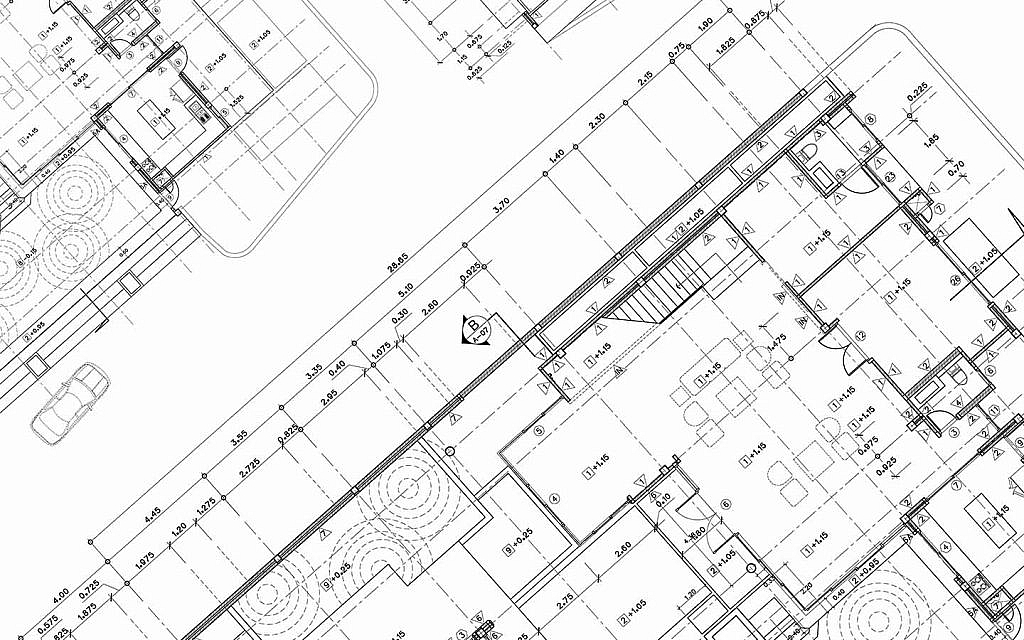
A floor plan distinguishes different types of apartments, houses and other properties. Reading a floor plan is the first step. The next is to evaluate whether the design meets your needs. Here are a few tips for evaluating an off-plan floor plan:
Room Sizes and Layout
Read floor plans and start by considering the size of each room. Check if the bedrooms are large enough and the kitchen is space-efficient. Look at how the rooms are arranged and if the layout is practical. For example, having a bathroom far from the bedrooms could be inconvenient. A well-designed layout ensures that rooms flow smoothly into each other.
Light and Ventilation
Natural light and ventilation are key elements of a comfortable home. Check where the windows are placed. Rooms with few or small windows may feel dark and stuffy. Good window placement can provide you with a well-ventilated home during winter. Furthermore, also consider how much light each room will get during the day. Also, think about airflow. Read and see if enough windows accommodate good air flow inside the rooms. Apart from that, check the windows’ size if they have ample size to ventilate the home.
Storage Space
Evaluate how much storage the property will have. Does the floor plan show built-in wardrobes or storage areas? Storage is important for keeping your home organised and clutter-free. Make sure the property has enough storage for your needs. Whether it’s creative room divider ideas or bedroom design, floor plans structure it all for you.
Future Flexibility
Consider whether the layout allows for flexibility in the future. Can you easily repurpose a room if your needs change? For example, a study could become a guest room. A flexible layout gives you more options as your lifestyle changes over time.
Privacy and Noise
Privacy and noise can impact how comfortable you feel in your home. Check the placement of rooms like bedrooms and bathrooms. Are the bedrooms far from noisy areas like the kitchen or living room? Does the layout provide privacy, especially in shared living spaces?
Outdoor Space
If outdoor space is important to you, evaluate the size and location of balconies, terraces or gardens. Does the plan show enough outdoor space for your needs? Is it easily accessible from the main living areas? Outdoor spaces should be functional and add value to your home.
Personal Preferences
Everyone has different preferences when it comes to home design. Think about your lifestyle. Do you prefer open-plan living or do you like separate rooms for privacy? Does the floor plan match your style and needs? Make sure the design suits your personal preferences before committing. Furthermore, a floor plan ensures compliance with building codes in Dubai.
Common Symbols in Floor Plans
Understanding off-plan property laws in Dubai is crucial for every buyer. Moreover, comprehending the symbols used in floor plans will help you read them better. Here are some common symbols you may come across.
Walls
Straight lines show walls. Thick lines indicate structure walls, while thin lines show partition walls in the design.
Doors
Arcs show how a door swings open
Windows
Windows are indicated by straight lines or rectangles on the walls. The windows can also be square.
Stairs
Parallel lines show the stairs in the floor plan reader. The arrows show the direction of the steps.
Furniture
Outlines of beds, sofas and tables, among others.
Bathrooms
Circles and rectangles show the toilets, sinks and bathtubs’ position in the off-plan floor design.
FAQs
Why is it important to know how to read house plans?
There are several stages of construction of an off-plan home. Therefore, understanding off-plan floor designs is important because they give insight into your future property. Without a good understanding, you may end up with a home that does not meet your expectations.
How do I know if room sizes suit my needs?
Check the dimensions in the floor plan. Compare them to rooms you know and ensure they match your space preferences and furniture requirements. However, you can hire interior design companies in Dubai for professional assistance.
Why is orientation important in a floor plan?
Orientation shows how the property faces the sun, helping you understand natural light patterns and energy efficiency in heating and lighting.
There you have it, all the information on how to read floor plan measurements. Knowing how to read and evaluate these plans is important when buying off-plan properties. Furthermore, always consider your lifestyle and preferences when evaluating a floor plan. Following the above-mentioned tips, you can reap the benefits to buying off-plan property in Dubai
If you are also interested in buying an off-plan property, check out new residential projects in the UAE.