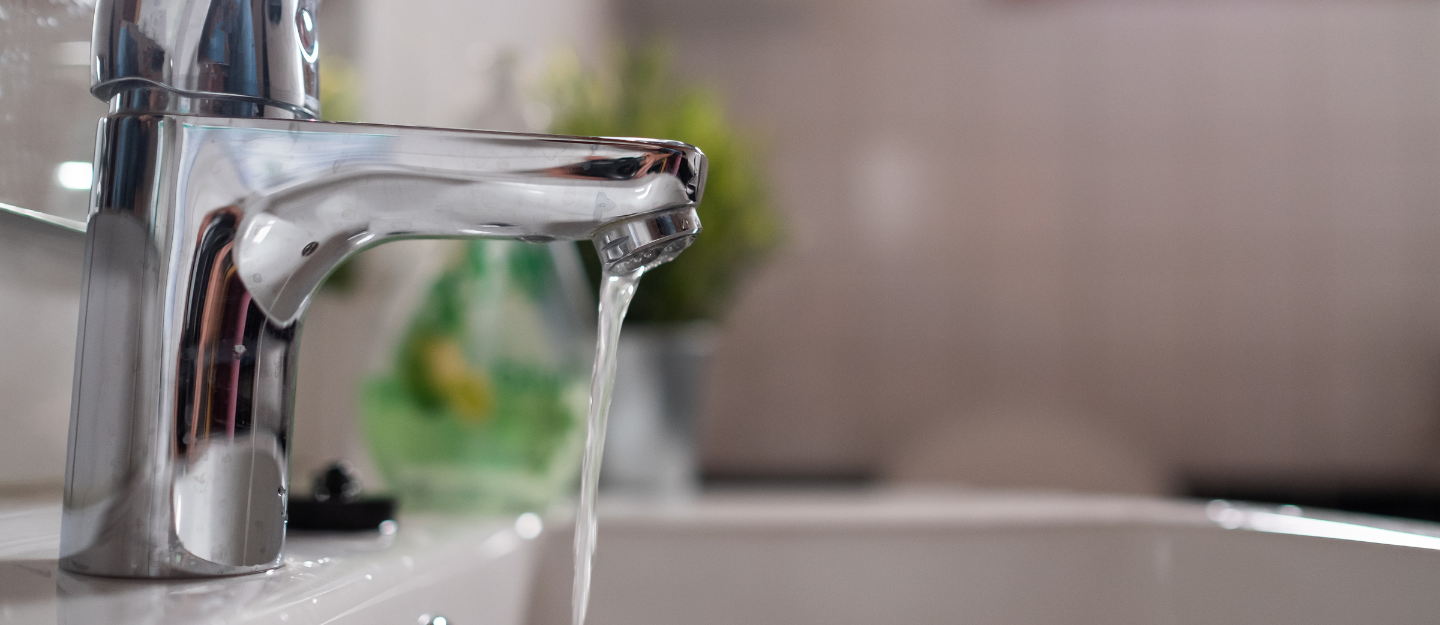
We all face some kinds of household challenges every day, for instance, low water pressure can be a frustrating issue. Imagine trying to wash dishes, do laundry, or take a shower with only a trickle of water—it can make these simple tasks much more time-consuming. To help you out, we’ve put together a comprehensive list of effective solutions to increase water pressure in your house. Let’s explore each method in detail to help you get back to a steady, satisfying water flow.
Tips to Increase Water Pressure in Your House
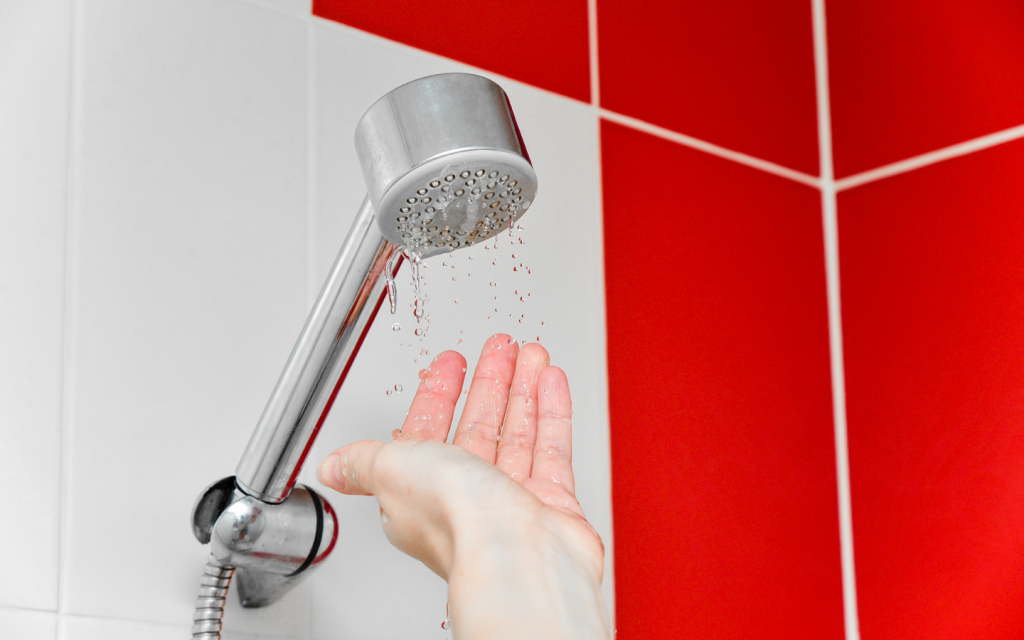
If you’re dealing with a shower that barely trickles or a faucet that sputters, low water pressure may be the culprit. Start by pinpointing the source of the issue: talk to your neighbours and test your water pressure. This can help you determine if the problem is due to a leak or a pressure issue within your home, or if it’s due to the city’s water supply. We’re here to guide you through identifying the cause and provide clear solutions to fix it.
Unclog and Clean Shower Heads with Vinegar Soak
If you’re dealing with a showerhead that only trickles, mineral buildup might be the issue. Start by unscrewing the showerhead—using a wrench if needed—and soak it in a solution of equal parts white vinegar and water for 24 hours. This will dissolve any mineral deposits, like calcium, that could reduce water flow. After soaking, rinse and reinstall the showerhead to restore optimal pressure. If you can’t remove the showerhead, try filling an airtight bag with vinegar and slipping it over the fixture. Secure it with rubber bands. This method works for faucets too, though faucet aerators are more commonly clogged.
Test Your Home’s Water Pressure
Another effective tip to increase water pressure in your house is by testing the home water pressure. Before contacting the local water department, test your water pressure using a pressure gauge with a hose attachment. Simply screw it onto an outdoor faucet, ensure all other taps and water-using appliances are turned off and open the faucet.
In the UAE, home water pressure should ideally range between 30 and 60 psi, with 40 to 50 psi being optimal for regular use. Anything above 60 psi could strain plumbing, while below 30 psi may not meet household needs. Testing helps determine if the issue is local or city-wide, guiding your next steps.

Check with Neighbours for Pressure Issues
If other households in your area are also experiencing low pressure, the issue may be with the city’s water main. Politely ask neighbours if they’re having similar issues. If they are, reach out to your local water department for assistance. If not, the problem is likely within your home’s plumbing, such as a partially closed valve or internal leak.
Clean the Aerator on Low-Pressure Faucets
For faucets with low pressure, a clogged aerator may be the problem. The aerator, a small screen at the faucet’s tip, can accumulate sediment over time. Unscrew it with pliers (wrap a cloth around it to prevent scratches), rinse off any visible debris and run the faucet to flush out sediment. If it still seems clogged, soak it in a mix of vinegar and water for three hours, then rinse and reinstall.
Ensure the Shutoff Valve is Fully Open
A partially closed shutoff valve can restrict water flow. Locate the main shutoff valve near your water metre, typically a red or blue ball valve. Make sure it’s fully open to restore maximum pressure. If your home has a pressure-reducing valve, often located next to the shutoff, adjust it by turning the screw on top clockwise in small increments to boost water pressure in house as needed.
Fix Any Leaks You Find
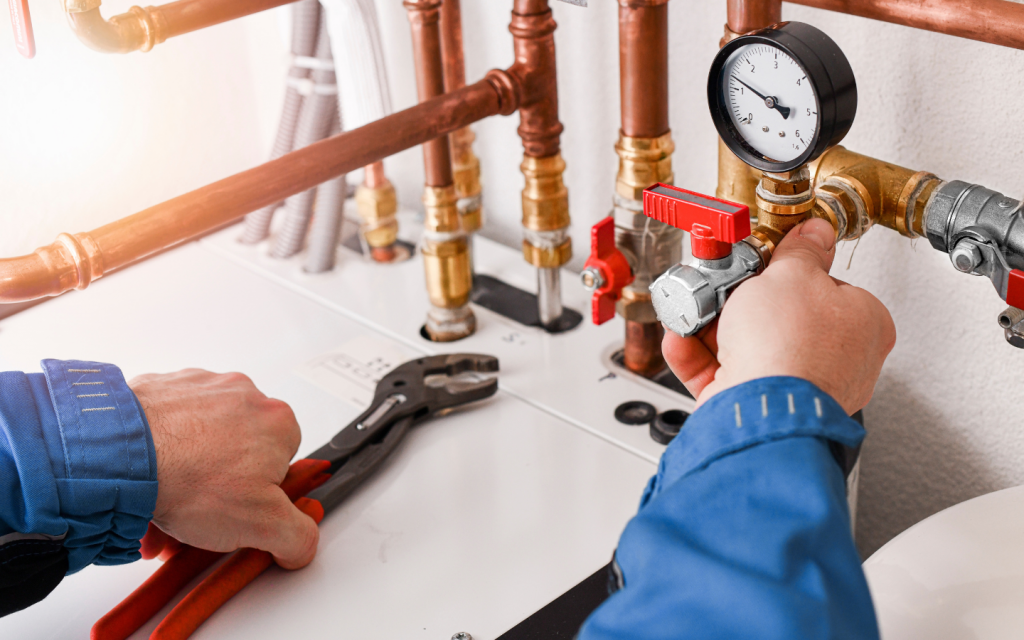
Leaks are a common cause of low pressure. To boost water pressure in your house check pipes and walls near problem areas, especially around the main water line and in basements if applicable. Look for damp spots, which may indicate leaks. If you see condensation, use paper towels to monitor dampness overnight. Addressing even small leaks can significantly improve water pressure.
Check and Replace the Water Pressure Regulator
Homes connected to municipal water often have a regulator near the metre or where the water line enters the house. This regulator prevents excess pressure that could harm pipes. When it malfunctions, you might notice a gradual drop in water pressure across fixtures. Adjusting or replacing a faulty regulator can restore steady flow.
Install a Water Pressure Booster
If low water pressure is consistent and seems related to your location—such as homes on elevated terrain or far from the water source—a water pressure booster pump may be the solution. This pump can help increase the flow rate by boosting pressure, ensuring a sufficient water supply throughout the home.
FAQS
What causes low water pressure in my home?
Low water pressure can result from mineral buildup in fixtures, leaks, closed valves, or city supply issues. Furthermore, you must avoid common mistakes that can increase home maintenance costs.
How can I increase home water pressure of my shower?
Clean the showerhead by soaking it in vinegar for 24 hours to dissolve any mineral buildup that may block water flow.
How do I test my home’s water pressure?
Use a water pressure gauge on an outdoor faucet; ensure other taps and appliances are off for accurate reading.
What is the ideal water pressure for homes in the UAE?
Ideally, water pressure should be between 30 and 60 psi, with 40-50 psi being the most comfortable range.
These were some practical ways to increase water pressure in your home. Understanding common causes of high water and electricity usage is also essential for effectively managing water conversation at home.
Additionally, if your water pressure is fine but you’re facing issues with your water heater, review these water heater maintenance tips to keep it functioning smoothly.
And if you’re considering purchasing property in the UAE, be sure to thoroughly inspect it to avoid potential water pressure problems in the future.
For more on different DIY solutions stay tuned to dubizzle’s property blog.