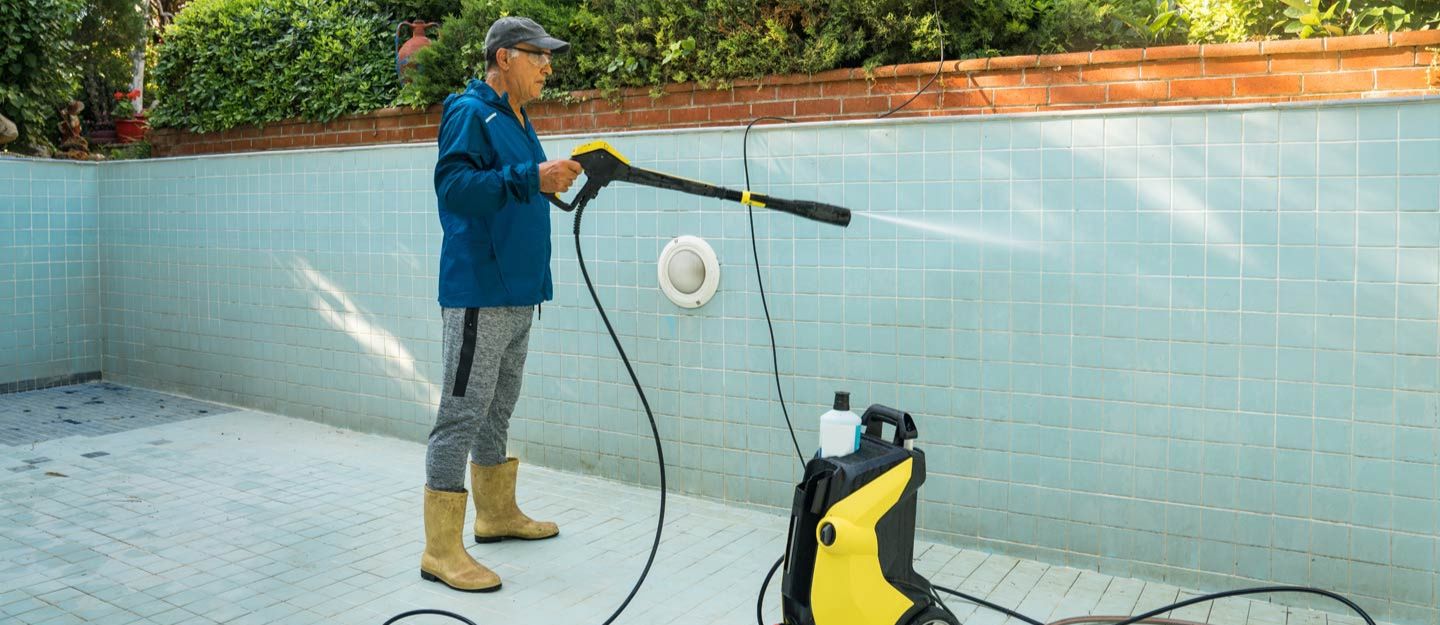
UAE summers bring scorching heat, with temperatures often exceeding 45°C, making swimming pools a daily retreat. While pools provide much-needed relief, they also present safety risks if not properly designed, maintained or supervised. For private or shared pools, safety should be a top priority. Understanding summer safety tips for pool owners and guests is crucial to reducing accidents and ensuring compliance with the UAE’s safety standards.
Understanding Pool Safety Regulations in the UAE
The following tips align with UAE regulations and help maintain a safe swimming environment:
- Approval required: Get approval of pool drawings from the relevant municipal authority before construction or major modifications.
- Declared pool type: Pools should be classified based on their use, such as private villa pools or shared pools in residential complexes, hotels, schools or clubs.
- Health & safety compliance: Filtration, disinfection, circulation, drainage and deck design must meet approved safety and hygiene standards.
- Child protection: Children’s pools should be shallow, typically not exceeding 50 cm in depth and physically separated from adult pools using barriers or fencing.
- Deck & access standards: Adequate deck space, non-slip surfaces and safe access via ladders or stairs with handrails are required for pools deeper than 60 cm.
- Emergency measures: Pools must display clear depth markers, safety signage and provide accessible first aid equipment.
Pool Safety Tips for Owners
The following tips are aligned with the UAE regulations:
Ensure Proper Pool Fencing and Access Control
Ensuring proper pool fencing and controlled access is essential for private pools in the UAE. Fences should be at least 1.2 m high and equipped with self-closing, self-latching gates.
Maintain Water Quality
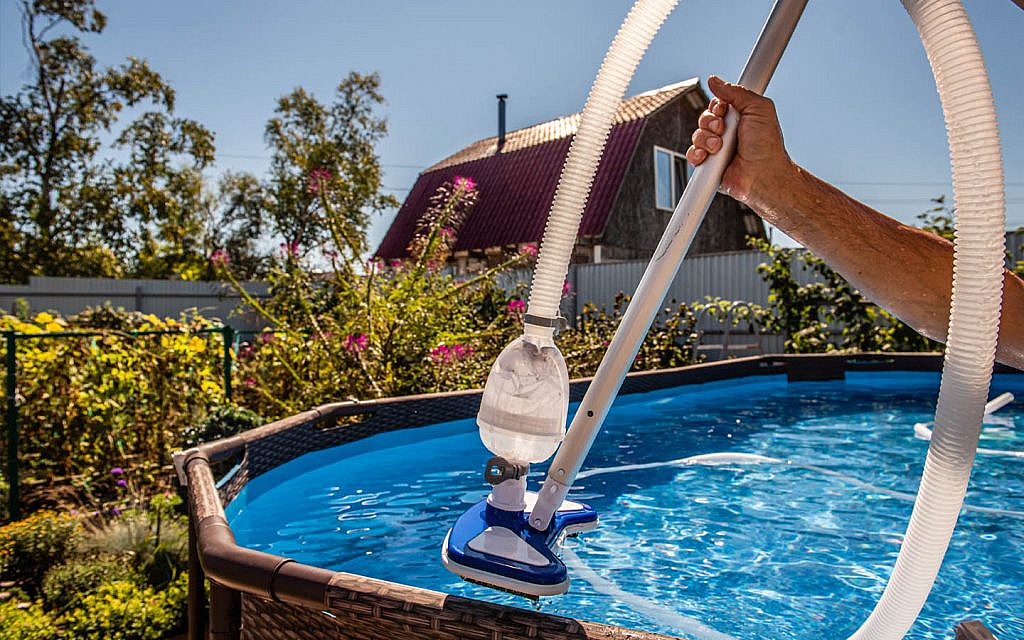
Maintaining water quality is a critical aspect of pool safety. Pool owners must install filtration and disinfection systems approved by the authorities and test chlorine and pH levels regularly. They should also follow a structured pool maintenance checklist to prevent skin irritation, eye infections and gastrointestinal illnesses.

Install Anti-Slip Surfaces and Proper Decks
Anti-slip surfaces and sufficient deck areas are equally important. Decks must meet regulatory minimums, 1 metre around private pools and 1.5 metres for shared pools and be made of non-slip tiles or textured materials.
Provide Shade and Cooling Areas
Direct sun exposure can cause heatstroke, especially for children and elderly guests. Pool areas should include shaded seating, umbrellas or pergolas and owners should also maintain pool temperature during summer to ensure a safe and comfortable swimming environment.
Display Clear Safety Signage
Depth markers must be visible at minimum and maximum points, as well as along slopes and stairs. Signs indicating ‘No Diving’ and pool rules should be in both Arabic and English.
Manage Chemicals and Equipment Safely
Pool chemicals and equipment must be managed safely. All cleaning tools and chemical containers should be stored out of children’s reach. Using automatic dosing systems for disinfectants ensures proper chemical use and aligns with official pool safety guidelines.
Special Considerations for Children’s Pools
Water depth must not exceed 50 cm and a barrier or fence at least 1.2 m high should separate children’s pools from adult pools. Remove toys and floats after use to prevent unsupervised access.
Jacuzzi Safety
Depth should not exceed 90 cm and emergency stop buttons must be clearly marked. Also, filtration and drainage systems should comply with regulations, including at least two drains for maintenance.
Pool Safety Tips For Guests
Everyone using the pool, including residents, visitors and children, should follow these pool safety guidelines:
- Never let children swim alone: Children should always be supervised by an adult, even in shallow water. For larger gatherings, assign a dedicated pool supervisor.
- Stay hydrated and take breaks: Drink water frequently and take breaks to avoid dehydration and heat-related illnesses.
- Avoid peak heat hours: Swim in the early morning or late afternoon to reduce the risk of sunburn and heat exhaustion.
- Follow pool rules and respect depth: Always follow posted rules, respect the pool’s depth markers and avoid diving in shallow areas or rough play.
- Use proper swimwear and footwear: Wear suitable swimwear and pool-safe footwear to ensure ease of movement and prevent slipping. Those looking for quality gear can explore popular swimming pool supply stores in Dubai to find the right fit.
- Apply sun protection: Use waterproof sunscreen before swimming and reapply after extended water exposure. Wear hats and UV-protective clothing for added protection.
Emergency Preparedness Around Pools

Every pool area should have a basic emergency response plan. Pool owners should ensure:
- Have a clear emergency plan: Ensure everyone around the pool knows what to do in case of an accident.
- Accessible first aid kits: Keep fully stocked first aid kits within easy reach of the pool area.
- Display emergency numbers: Post UAE emergency contacts prominently: 999 (Police), 998 (Ambulance), 997 (Civil Defence).
- Follow ‘Reach or Throw, Don’t Go’: Use a pole or throw a life ring to assist a swimmer in distress rather than entering the water yourself.
- Learn CPR and first aid: At least one person should be trained in CPR and basic first aid.
- Prompt notification: Inform authorities or property management immediately after an incident for medical support or insurance purposes.
FAQs
How can pool owners keep guests safe during summer?
Guest safety relies on supervision, clear pool rules and consistent maintenance. Moreover, providing shaded areas, monitoring water quality and restricting unsupervised access help reduce heat-related and poolside accidents.
Are there specific pool safety regulations in the UAE?
The UAE enforces strict pool safety regulations through local municipalities, requiring 1.2 m high barriers, non-slip surfaces, proper drainage and qualified CPR-trained lifeguards to prevent accidents.
What pool safety rules should be followed for children?
Adults must always supervise children, even in shallow water. Ensure children’s pools remain shallow, clearly separate them from adult pools and secure them with barriers where required.
Are pool fences mandatory for private pools in the UAE?
Yes, pool fences are mandatory for private residential pools in the UAE to prevent drowning, particularly protecting children, as part of strict municipal safety regulations.
Are there any popular areas with swimming pools in Dubai?
For those interested in properties with private or shared swimming pools, Dubai has several popular areas with swimming pools that cater to residents seeking a premium lifestyle.
Swimming pools are a major lifestyle benefit in the UAE, but safety must never be overlooked. By following summer safety tips for pool owners and guests, everyone can enjoy a safe and refreshing summer.
For families considering villas for sale in the UAE, it is important to ensure that any new private swimming pool is designed and constructed in line with local regulations and that all pools are properly maintained to meet safety standards. They should also weigh the pros and cons of having a villa with a swimming pool before making a purchase.
Stay tuned to the dubizzle’s property blog for more tips on safe living, smart homeownership and property insights in the UAE.