Navigating the complexities of real estate transactions can be challenging, especially when dealing with the ownership and transfer of property documents. Among these documents, the Title Deed and Oqood are fundamental, particularly in the context of property transactions in Dubai. These documents serve as cornerstones in property ownership, facilitating transparency, legality and security in transactions. Let’s find the differences between an Oqood vs Title Deed, highlighting their purposes, legal implications and the processes involved in obtaining them.
What is Oqood

Oqood, on the other hand, is a pre-registration contract specific to off-plan properties in Dubai. Moreover, it is part of the broader regulatory framework that ensures transparency and protection for property buyers. Due to the delayed off-plan project, Oqood also allows buyers to terminate the contract with the developer.
Here are the key aspects of Oqood:
Pre-Registration Contract
Oqood is a contract between the developer and the buyer of an off-plan property (a property that is still under construction) in Dubai. It also outlines the terms and conditions of the sale, including payment schedules and construction milestones.
Purpose
The primary purpose of Oqood is to protect the interests of buyers of off-plan properties. It ensures that the property is registered with the relevant authority (e.g., the DLD) even before completion. This also helps in preventing fraudulent sales and double-selling of the same unit.
Details Included
Oqood contains detailed information about the property, including the unit number, floor plan and specifications, as well as the buyer’s and developer’s details.

Registration with RERA
In Dubai, Oqood is registered with the RERA, a division of the DLD. This registration is crucial for the legal recognition of the sale of off-plan properties.
Conversion to Title Deed
Once the construction of the property is completed and all contractual obligations are met, the Oqood is converted into a Title Deed. This also finalises the ownership process and the buyer is issued a Title Deed.
What is a Title Deed
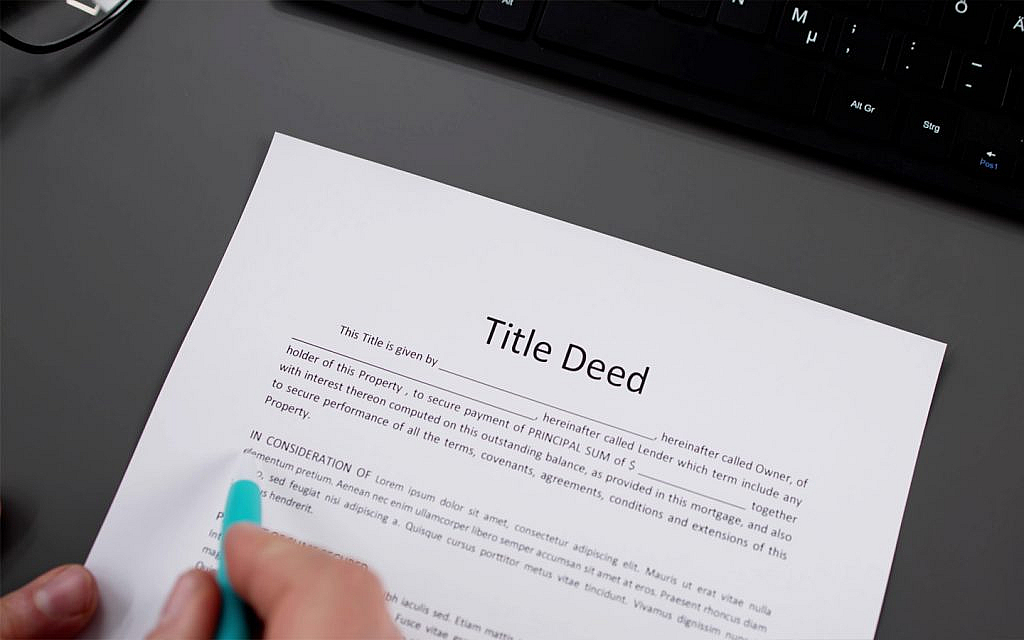
It is a legal document that serves as evidence of property ownership across the UAE. The Title Deed is issued by the relevant governmental authority and includes essential details about the property and the owner. Here are the key aspects of a Title Deed:
Proof of Ownership
The primary function of a Title Deed is to confirm the ownership of a property. It provides the owner with the legal right to transfer property ownership in Dubai.
Details Included
A Title Deed typically contains information such as the owner’s name, a detailed description of the property, the location and the size of the land or building.
Registration
To be legally recognised, a Title Deed must be registered with the local land department or the relevant government authority. In Dubai, this is usually the Dubai Land Department (DLD) or equivalent in other emirates i.e. Abu Dhabi Department of Municipalities and Transport is for Abu Dhabi.
Transferability
A Title Deed is transferable. When a property is sold, the Title Deed is transferred from the seller to the buyer, who then registers it in their name.
Legal Security
Holding a Title Deed provides the owner with legal security and protection under the law. It is essential for resolving disputes regarding property ownership.
Key Differences Between Title Deed and Oqood
Here is the difference between Title Deed vs Oqood.
Nature and Timing
- Title Deed: Issued upon the completion of a property transaction, signifying full ownership.
- Oqood: Issued during the sale of off-plan property, representing a commitment to transfer ownership upon completion. For further details, here is the list of some of the most common FAQs about off-plan properties in Dubai.
Registration Authority
Title Deed: Registered with the local land department.
- Abu Dhabi: Department of Municipalities and Transport (DMT)
- Dubai: Dubai Land Department (DLD)
- Sharjah: Sharjah Real Estate Registration Department (SRERD)
- Ajman: Ajman Real Estate Regulatory Agency (ARRA)
- Umm Al Quwain: Umm Al Quwain Municipality
- Ras Al Khaimah: Ras Al Khaimah Municipality (RERA)
- Fujairah: Fujairah Municipality
Oqood: Registered with RERA for off-plan properties.
Legal Status
- Title Deed: Provides full legal ownership and rights to the property.
- Oqood: Represents a contractual agreement and a pre-registration of ownership for off-plan properties.
Transferability
- Title Deed: You can transfer Title Deed through sale or inheritance.
- Oqood: Not transferable until the property is completed and the Title Deed is issued.
Purpose
- Title Deed: Confirms ownership and provides legal protection.
- Oqood: Protects buyers of off-plan properties and ensures transparency in the sale process.
FAQs
What is the primary difference between a Title Deed and Oqood?
A Title Deed represents full ownership of a completed property, while Oqood is a pre-registration contract for off-plan properties, outlining the terms and conditions of the sale before the property is completed.
Can Oqood be transferred before the property is completed?
Typically, Oqood cannot be transferred until the property is completed and the Title Deed is issued. The Oqood serves as a pre-registration commitment until then.
Why is Oqood important for off-plan properties?
Oqood protects buyers by ensuring that the property is registered with the relevant authority, preventing fraudulent sales and ensuring that the developer adheres to the agreed terms and construction milestones.
How do I convert Oqood into a Title Deed?
Once the property is completed and all contractual obligations are met, the Oqood is converted into a Title Deed through a formal process with the relevant regulatory authorities, such as the DLD.
Who issues the Title Deed and Oqood in Dubai?
The Title Deed is issued by the DLD, while Oqood is registered with the Real Estate Regulatory Agency, a division of the DLD.
Is it necessary to register a Title Deed?
Yes, registering a Title Deed is crucial for legal recognition and protection under the law. It ensures the owner’s rights are safe and you an resolve disputes effectively. Also, if you are buying property for the first time, here is how to do a title deed verification.
Understanding the difference between a Title Deed and Oqood is essential for anyone buying an apartment in Dubai. While a Title Deed signifies complete property ownership, Oqood serves as a crucial pre-registration contract for off-plan properties, ensuring the protection of buyers’ interests. By recognising these distinctions between Oqood or Title Deed, property buyers and investors can navigate the real estate market with greater confidence and security. For further information on various terms used in property transactions, consult this real estate glossary.
Stay tuned to the dubizzle property blog for more updates.