
Dubai offers unparalleled real estate investment opportunities to locals and expats alike. However, the rules for property ownership for expats are slightly different from locals. Expats are only allowed to own property on freehold in designated zones, but their options increase with the availability of leasehold ownership. The right to own leasehold properties in Dubai was allowed by the Dubai Government in 2001.
Let’s take a closer look at the leasehold property ownership in Dubai and what it brings to the table for the investors.
What is Leasehold Property Ownership
As evident from the name, leasehold properties can be leased from the owner for a minimum of 10 years and a maximum of 99 years. Leasehold property owners hold all the rights to the property but not to the land it is constructed on. Therefore, remodelling, alteration or any other major construction work on the property requires the owner’s permission.
After the lease expires, the property will be returned to the owner. However, during the lease period, the leaseholder is allowed to rent.
Who Can Buy Leasehold Property
Expats can opt for leasehold property ownership in Dubai. The leasehold properties are available in the designated areas as per Regulation No. 3 of 2006 on the Designation of Areas. Some of the most important designated areas are The Palm Jumeirah, The World Island, Downtown Dubai, Business Bay, Dubai Silicon Oasis, Dubai Marina, Emirates Hills and Jumeirah Beach Residence, among other locations.
The process of buying leasehold and freehold properties is the same. Here is how to buy property in Dubai as an expat.

Pros of Buying Leasehold Property in Dubai
Now that you are aware of the definition of leasehold property let’s move towards the pros of buying leasehold property in Dubai.
Limited Liability
The landlord (lessor) is responsible for maintenance and construction work on a leasehold property. That said, lessees have limited liability when it comes to property maintenance and construction work. In fact, the landlord is responsible not only to manage but also to pay for the repair work. However, on the basis of mutual agreement, lessees can do maintenance and repair work on the property after seeking permission from the landlord.
If you have leased a property, browse through these known construction companies in Dubai and seek professional assistance in building your property.
Lower Upfront Cost
In leasehold properties, the lessee is only provided with limited ownership of the property, which is also time-restricted. Therefore, the upfront cost of leasehold properties is generally lower, contrary to other types of foreign land ownership. Moreover, lessors usually offer convenient payment plans divided into multiple instalments, facilitating the lessee’s utmost.
Limited Risk
Leasehold property is leased on a fixed term, exempting the property from market fluctuations and minimising financial risk. This is why leasehold properties are considered stable and are only threatened by predictable financial risks.
Shared Amenities
Leasehold properties are generally part of a larger community, providing lessee access to shared facilities and amenities. This might include a swimming pool, gymnasium, parks, covered parking and recreational facilities that aid in enhancing the living experience.
Besides, here are some more amenities to consider when buying a luxury apartment in the emirate.
Lease Renewal
When the lease term ends, both parties have the right to renew the lease, discuss new terms or end the contract. Moreover, renewing a lease excludes the hassle of finding and registering another property.
Cons of Buying Leasehold Property in Dubai
Following are the cons of buying leasehold properties in Dubai.
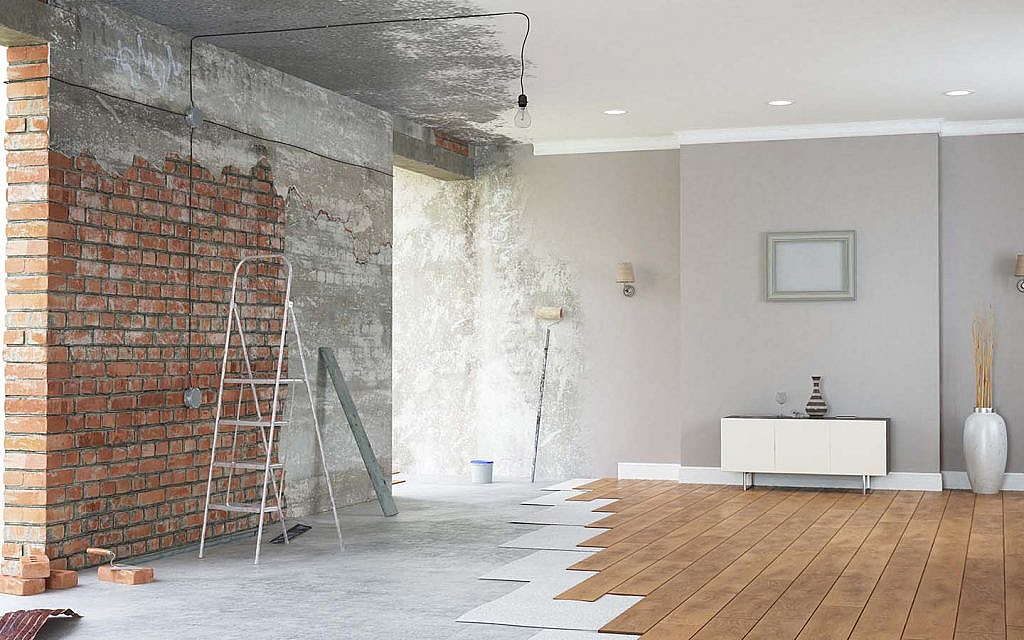
Difficulty in Remodelling
Lessees are not allowed to bring any changes to the property without written approval from the landlord. This restricts lessees from making any constructional changes in the property despite having property ownership.
No Subletting
In leasehold properties, lessees are not permitted for subletting in Dubai.
Contract Restrictions
The leasehold property contract includes multiple clauses restricting lessees from multiple things. For instance, some leasehold agreements have a clause not to resell the property till the lease contract expires.
FAQs
Where can I buy leasehold property in Dubai?
Expats can buy leasehold property areas in designated areas of Dubai. Some of the most popular areas to buy leasehold properties in Dubai are Dubai Silicon Oasis and Green Community.
What happens when the lease expires?
After the lease expires, the leasehold property returns to the landlord. However, the lessee and lessor can renew the lease after a mutual agreement.
Who is responsible for paying service charges of a leasehold property?
Generally, the lessee is responsible for paying service charges of a leasehold property. However, it can be changed by priorly discussing it with the landlord.
Are freehold and leasehold the same?
No, freehold and leasehold are two different types of foreign property ownership offered in Dubai. Read through our blog on freehold vs leasehold properties to learn all the differences.
That is all about leasehold property ownership in Dubai. Foreign property ownership was allowed after 2001 to facilitate investors from all across the world. Given such investor-centric developments, Dubai’s real estate market has witnessed continued growth over the years, recording a notable surge in investments. Besides, if you are an aspiring Dubai investor, browse these properties for sale in Dubai and buy a unit for investment.
Aside from leasehold, expats can also opt for freehold properties. Go through our blog on freehold property ownership in Dubai to know more about it.
Stay tuned to dubizzle’s property blog for more tips on Dubai’s real estate market investment.