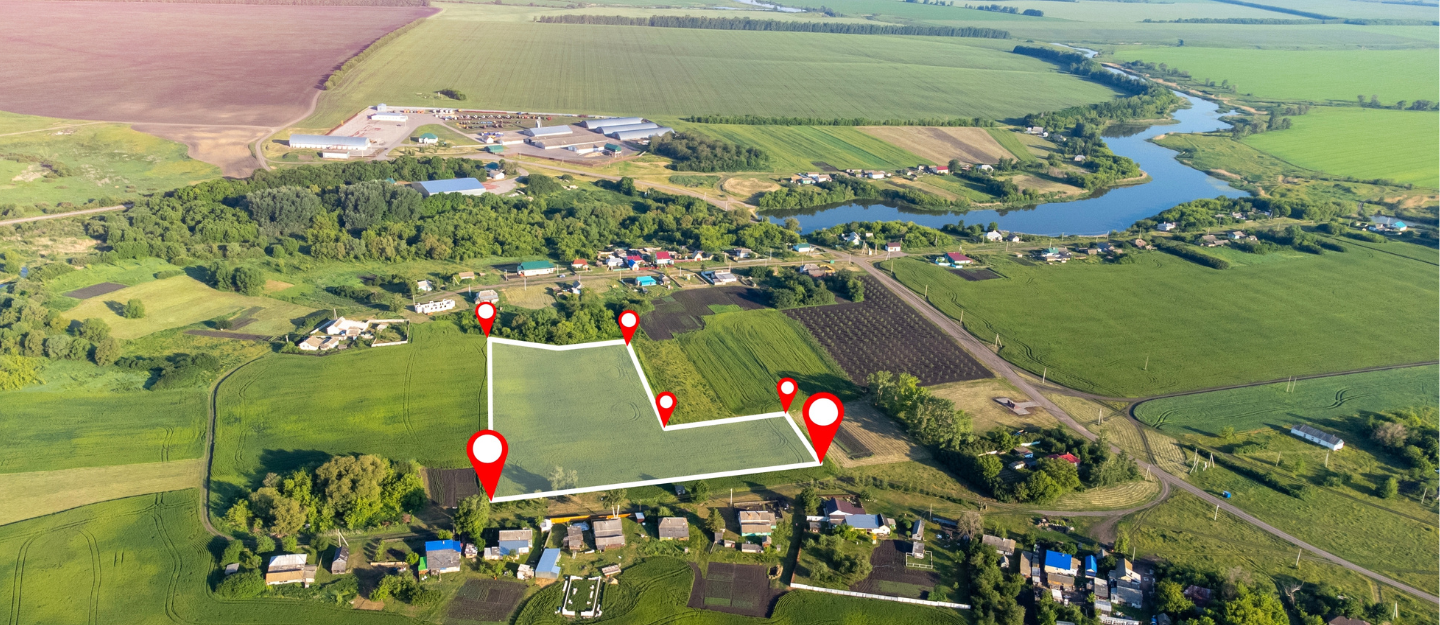
Dubai’s real estate market continues to attract global investors due to its investor-friendly policies and urban development. While many buyers invest in ready apartments or villas, land banking in Dubai has emerged as a strategic investment approach for those looking at long-term gains.
This strategy involves purchasing undeveloped land and holding it until its value increases as surrounding areas develop. With Dubai’s rapid expansion and ongoing mega projects, land banking can offer significant opportunities for investors who are willing to take a long-term perspective.
What is Land Banking?
Land banking refers to the practice of buying undeveloped land and holding it for future appreciation. Investors purchase plots in areas expected to experience growth due to new infrastructure, residential communities or commercial developments.
Rather than building immediately, investors wait for the value of the land to increase as demand rises. Once the price appreciates, the land can be sold for profit or developed, depending on the investor’s goals.
Why Dubai Is Attractive for Land Banking
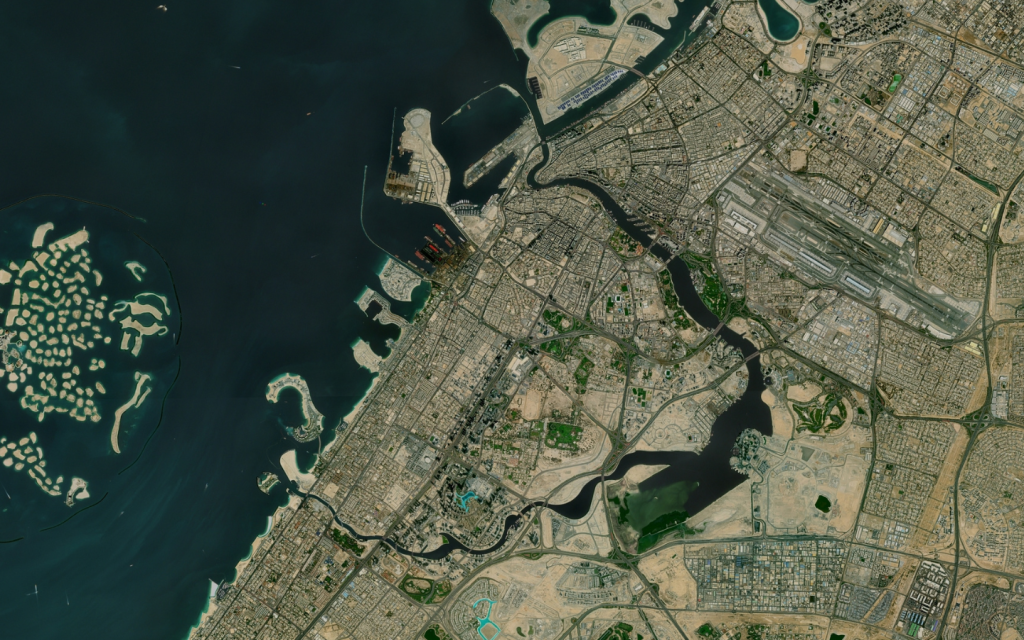
Dubai’s dynamic property market makes it a strong location for land banking investments. The city continues to grow through new master-planned communities, transportation projects and large-scale infrastructure initiatives.
Additionally, the emirate offers foreign ownership in designated freehold areas, making it easier for international investors to participate in the real estate market. These factors create favourable conditions for long-term land investments.
Land Banking in Dubai: How It Works
The process for land banking in Dubai involves purchasing undeveloped land with the intention of holding it until its value increases. Investors identify locations that may see future growth due to planned infrastructure or community development. Once the land appreciates in value, the investor can either sell it or proceed with development.
Identifying Emerging Locations
Investors usually look for areas with prospective future developments, such as new residential communities like Arjan and Dubai South. They also keep a tab on upcoming business districts, or zones near planned infrastructure, such as the upcoming Dubai Metro Blue Line. Researching government development plans and master community projects can help identify locations with strong growth potential.
Purchasing the Plot
Land can be purchased directly from real estate developers in Dubai or through secondary market transactions. Investors should carefully review ownership documents, zoning regulations and development permissions before finalising the purchase. Working with experienced real estate professionals can help streamline this process.

Holding the Investment
After purchasing the land, the investor holds the property for a certain period while the surrounding area develops. During this time, infrastructure improvements, population growth and new commercial activity can gradually increase the land’s value.
Selling or Developing the Land
Once the land value rises, investors may choose to sell the plot for profit. Alternatively, they can develop the land into residential or commercial projects, depending on the zoning regulations and market demand.
Types of Land Available for Investment
Dubai offers several types of land for investors depending on their objectives and development plans. These include residential plots, commercial land, industrial land and mixed-use plots.
Each category has different zoning regulations and development possibilities. Understanding the intended use for buying land for investment in Dubai is essential before making an investment decision.
Advantages of Land Banking
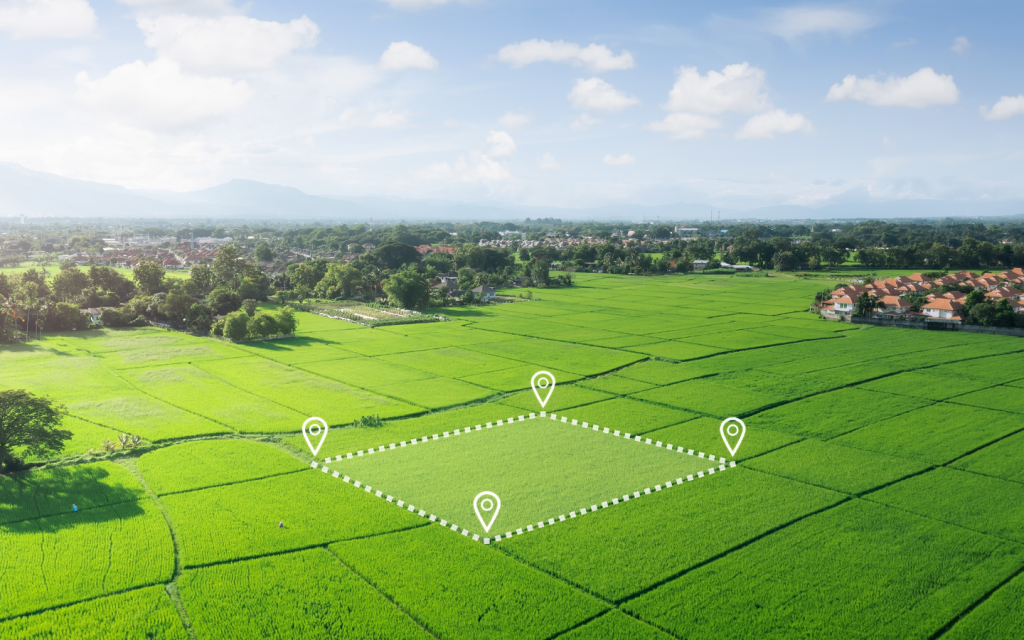
Land banking in Dubai offers several benefits for investors who are willing to adopt a long-term investment strategy. Compared to developed properties, land investments often require less maintenance while offering the potential for substantial capital appreciation over time.
Lower Initial Costs
Compared to ready properties, land can sometimes be purchased at a lower price per square foot, particularly in developing areas such as Dubailand and Dubai Islands. This allows investors to enter the market with a relatively smaller upfront investment.
High Potential Returns
If the surrounding area develops significantly, land values can increase substantially over time. Investors who buy land early in emerging districts often benefit the most from this appreciation.
Minimal Maintenance
Unlike built properties, undeveloped land generally requires very little maintenance. Investors do not need to worry about property management, repairs, or tenant-related issues.
Flexible Exit Strategy
Land investors have multiple exit options. They can sell the plot once its value rises, develop it into a property project, or even partner with developers for joint ventures.
Risks of Land Banking
While land banking can be a profitable investment strategy, it also involves certain risks. Investors should carefully evaluate these factors before committing to a long-term land purchase.
Long Holding Periods
Land appreciation may take several years, depending on how quickly the surrounding area develops. Investors should be prepared for a longer holding period compared to other types of real estate investments.
Market Fluctuations
Property values can be influenced by economic conditions, changes in supply and demand and market cycles. These factors may affect how quickly land prices increase.

Development Restrictions
Some plots may have zoning regulations or building restrictions that limit how the land can be used. Understanding these regulations before purchasing is essential to avoid future complications.
Liquidity Challenges
Selling undeveloped land can sometimes take longer than selling ready properties. This means investors may need patience when trying to exit their investment.
Tips for Successful Land Banking
Here are some useful land banking strategies for a fruitful long-term investment:
Research Future Development Plans
Studying government infrastructure plans and upcoming community developments can help investors identify high-potential areas. Locations near future Dubai transportation networks or business hubs often experience strong appreciation.
Check Zoning Regulations
Before purchasing land, investors should confirm the permitted use, building guidelines and zoning regulations. This ensures that the land can be used for the intended development.
Work with Experienced Real Estate Professionals
Real estate brokers, consultants and legal advisors familiar with Dubai’s market can provide valuable insights. Their expertise can help investors navigate regulations and identify promising opportunities. Moreover, investors can take help from different licensed real estate brokerage companies for professional and legal assistance.
Evaluate Long-Term Growth Potential
Choosing areas with notable population growth, infrastructure expansion and economic activity can significantly improve investment prospects. A long-term vision is essential for maximising returns in land banking.
FAQs
Can foreigners buy land in Dubai?
Yes, foreign investors can buy land in Dubai in designated freehold areas.
Are there legal requirements for land banking in Dubai?
Yes, investors must comply with Dubai’s property laws, including purchasing land in designated freehold areas, registering the plot with the Dubai Land Department (DLD) and Real Estate Regulatory Authority (RERA).
How long does it take for land value to increase in Dubai?
The timeline for appreciation varies depending on the location and surrounding development.
These were the details of land banking in Dubai. This strategy offers investors the opportunity to benefit from the city’s continuous expansion and long-term development plans. By purchasing land in areas with promising growth potential, investors can position themselves for future capital gains.
However, those looking for ready-to-move-in real estate can consider these properties for sale in Dubai as their next potential investment.
For more on different types of real estate investments in the UAE, keep reading dubizzle’s property blog.