In Dubai’s real estate market, mixed-use developments are among the most attractive investment options. These properties combine various components within a single development, offering ample convenience. While mixed-use properties present strong opportunities, investors should carefully evaluate key investment considerations before committing capital. Understanding these considerations can help minimise risk and maximise long-term returns.
Understanding Mixed-Use Developments
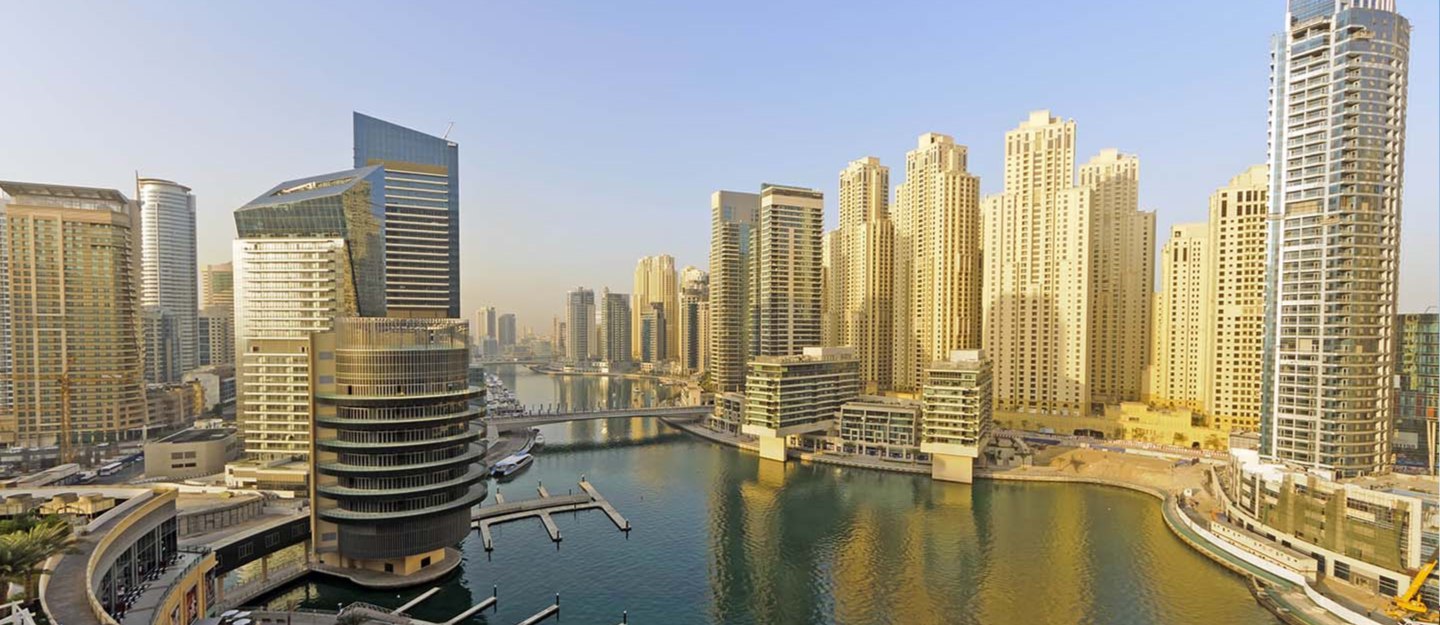
Mixed-use properties integrate multiple functions into one project, such as apartments, offices, retail outlets, restaurants and leisure facilities. In Dubai, these developments are commonly found in different key locations like Downtown Dubai, Dubai Creek Harbour, Dubai Marina and Jumeirah Lake Towers. The concept supports live-work-play lifestyles, which align with Dubai’s urban planning vision and growing demand for integrated communities.
A Quick Checklist for Mixed-use Property Investment in Dubai
Here are some factors that must be considered when investing in mixed-use properties in Dubai:
Location and Accessibility
Location remains one of the most critical factors when investing in mixed-use properties. Proximity to major roads, Dubai metro stations, business districts and airports significantly affects property value and occupancy rates.
Well-connected developments attract both residents and businesses, adding to the steady footfall for retail units and higher demand for residential and office spaces. Additionally, investors should assess current infrastructure as well as upcoming transport projects that may enhance accessibility in the future.
Market Demand and Target Audience
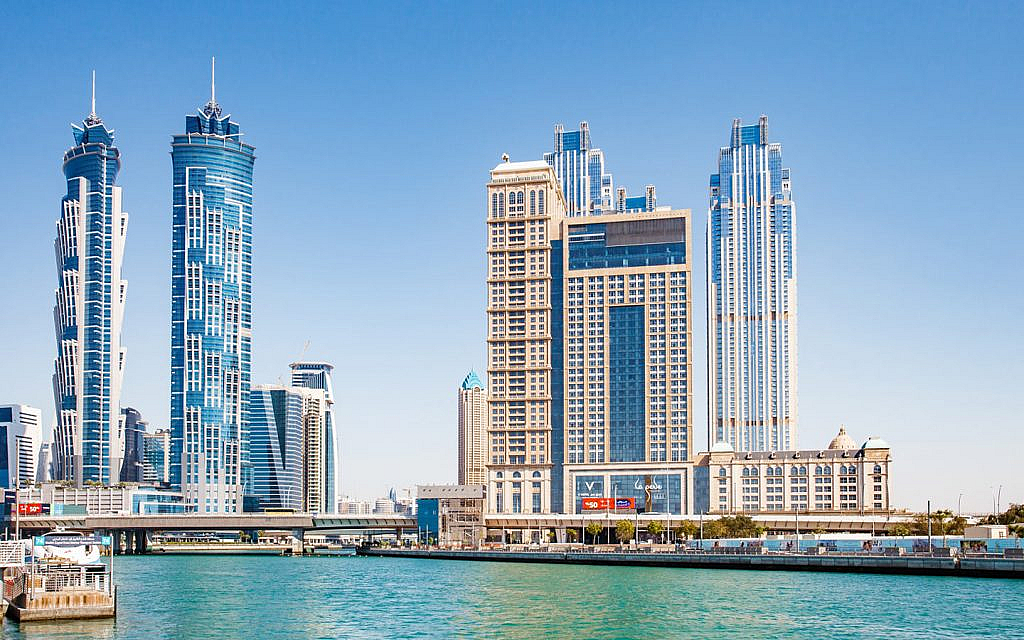
Understanding the target audience is essential. Dubai mixed-use developments cater to professionals, families, tourists and businesses. Moreover, investors should evaluate whether the area attracts corporate tenants, short-term visitors or long-term residents.

Developments near business hubs often appeal to professionals seeking proximity to workplaces and amenities. Meanwhile, those close to tourist attractions such as Burj Khalifa may benefit from short-term rental demand.
Developer Reputation and Project Quality
The reputation of the developer plays a vital role in the success of a mixed-use project. Established real estate developers in Dubai with a strong track record are more likely to deliver quality construction, timely handovers and well-managed communities. Investors should review the developer’s previous projects, maintenance standards and property management practices. High-quality finishes, efficient layouts and well-planned amenities enhance tenant satisfaction and resale value.
Rental Yield and Income Diversification
One of the main advantages of buying mixed-use properties in Dubai is income diversification. Residential units provide stable rental income, while retail and office spaces can offer higher yields depending on location and demand.
Investors should assess projected rental returns for each component and consider vacancy risks. A mix of residential and commercial tenants can reduce reliance on a single income stream and provide more consistent cash flow.
Legal Framework and Ownership Regulations

Dubai’s real estate market is well-regulated, but investors must still understand ownership laws and regulations. Freehold ownership is available to foreign investors in designated areas, while some zones may have restrictions. Additionally, commercial and residential components are governed by different regulations, including licensing requirements for retail or office tenants.
Service Charges and Maintenance Costs
Mixed-use developments often come with higher service charges due to shared facilities, security and maintenance requirements. Investors should carefully review service charge structures and understand how costs are allocated among residential, retail and commercial units. High service fees can impact net returns, particularly if rental yields are modest. Transparency in management and cost efficiency are key indicators of a well-run development.
Management and Operational Efficiency
Effective property management is crucial when investing in mixed-use properties in Dubai, as multiple stakeholders share common spaces and services. Poor management can lead to disputes, maintenance issues and tenant dissatisfaction.
Investors should assess whether the development has a professional management company in place. They must also keep a tab on how responsibilities are divided between residential and commercial components.
Flexibility and Future Adaptability
The ability of a mixed-use property to adapt to changing market conditions is an important consideration. For example, flexible office layouts, adaptable retail spaces and short-term rental-friendly residential units can respond better to shifts in demand. Developments that support evolving lifestyles and business needs are more likely to remain competitive in the long term.
Economic Trends and Market Cycles
Dubai’s real estate market is greatly influenced by global economic conditions, tourism trends and government policies. Investors should consider broader economic indicators such as population growth, employment rates and foreign investment inflows. Mixed-use developments tend to perform well during stable economic periods, but market cycles can affect demand differently across residential, retail and office segments.
Financing and Return on Investment
Financing options for mixed-use properties may differ depending on the property type. Residential units often have more flexible mortgage options compared to commercial spaces. Investors should evaluate financing costs, interest rates and expected returns before making a decision. Calculating net yields after expenses provides a clearer picture of investment viability.
Exit Strategy and Resale Potential
A clear exit strategy is essential when investing in mixed-use properties in Dubai. Factors such as location, brand reputation, tenant mix and market demand influence resale value. Properties in well-established areas with proper infrastructure and consistent demand offer better liquidity. Investors should consider whether they plan to hold the asset for rental income or sell it for capital appreciation.
Sustainability and Lifestyle Appeal
Modern mixed-use real estate in Dubai increasingly focuses on sustainability, wellness and lifestyle amenities. Green building certifications, energy-efficient systems and community-focused designs enhance long-term appeal. Properties that prioritise sustainability often attract quality tenants and maintain higher value over time.
FAQs
What is a mixed-use property?
A mixed-use property combines residential, commercial, retail and sometimes hospitality spaces within a single development.
Are mixed-use properties a good investment in Dubai?
Yes, they can offer stable returns through diversified income streams, strong demand and long-term value appreciation, especially in prime locations.
Can foreign investors buy mixed-use properties in Dubai?
Foreign investors can purchase mixed-use properties in designated freehold areas of Dubai, subject to the city’s property ownership regulations.
Investing in mixed-use properties in Dubai offers an opportunity to benefit from diversified income streams, strong demand and long-term growth potential. By considering these key factors and adopting a long-term perspective, investors can make informed decisions when buying a property in Dubai.
To learn more about Dubai’s real estate market, keep reading dubizzle’s property blog.