Infrastructure services in the UAE are key to the nation’s growth and development. These services include roads, bridges, airports and utilities such as water and electricity. The UAE has invested heavily in modern infrastructure, making it a hub for business and tourism. The country’s advanced transport networks connect major cities and international destinations.
In addition to public infrastructure, private companies provide services like telecommunications and the internet. The UAE’s focus on sustainable and smart infrastructure is shaping the future with top-notch technology projects.
Understanding these services is essential for anyone interested in the UAE’s economy and lifestyle. Let’s learn more about it.
Infrastructure Services in the UAE
The UAE has focused on developing its infrastructure to provide its residents with a high quality of life and support economic growth. Utilities, including water and electricity services, are critical infrastructure components.
Public Utilities

Public utilities in the UAE are well-established and efficient, ensuring that essential services like water, electricity and gas are reliably available to the population. Various federal and local authorities manage these services.
Water Services
The UAE has implemented advanced water management strategies to ensure a consistent potable water supply. The majority of the water supply in the UAE comes from desalination, with several large-scale desalination plants operating across the country.
These plants convert seawater into freshwater, meeting the needs of both domestic and industrial users. Furthermore, the recycled water service in Abu Dhabi also aims to improve water management.

The UAE’s commitment to sustainable water management is reflected in its investment in technologies that reduce water consumption and promote the reuse of treated wastewater for irrigation and other purposes.
Electricity Services
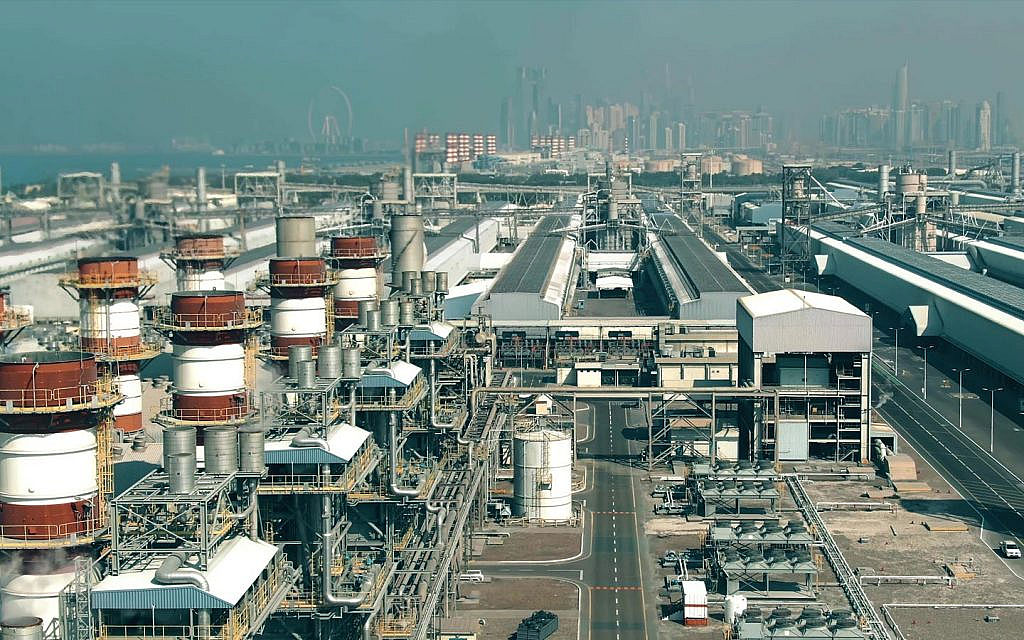
The UAE’s electricity sector is well-developed, focusing on ensuring a stable and reliable power supply. The UAE’s electricity infrastructure is managed by both federal and local authorities, including the Federal Electricity and Water Authority (FEWA), Dubai Electricity and Water Authority (DEWA) and Abu Dhabi Water and Electricity Authority (ADWEA).
These entities oversee electricity generation, transmission and distribution across the country. The country has also invested in diversifying its energy sources, including developing renewable energy projects such as solar energy for homes and nuclear power. This diversification aims to reduce the country’s reliance on fossil fuels and ensure a sustainable energy future.
Sustainable Initiatives
Sustainability is a core focus of the UAE’s infrastructure development. The country has launched several initiatives like DEWA’s smart living initiative to promote efficient use of resources. Innovative water solutions, like solar-powered desalination, are also being explored to reduce the carbon footprint of water production.
Regarding electricity, the UAE is a regional leader in renewable energy. Projects like the Mohammed bin Rashid Al Maktoum Solar Park are one of the largest solar parks in the world. It shows the country’s focus on clean energy.
Civic Facilities
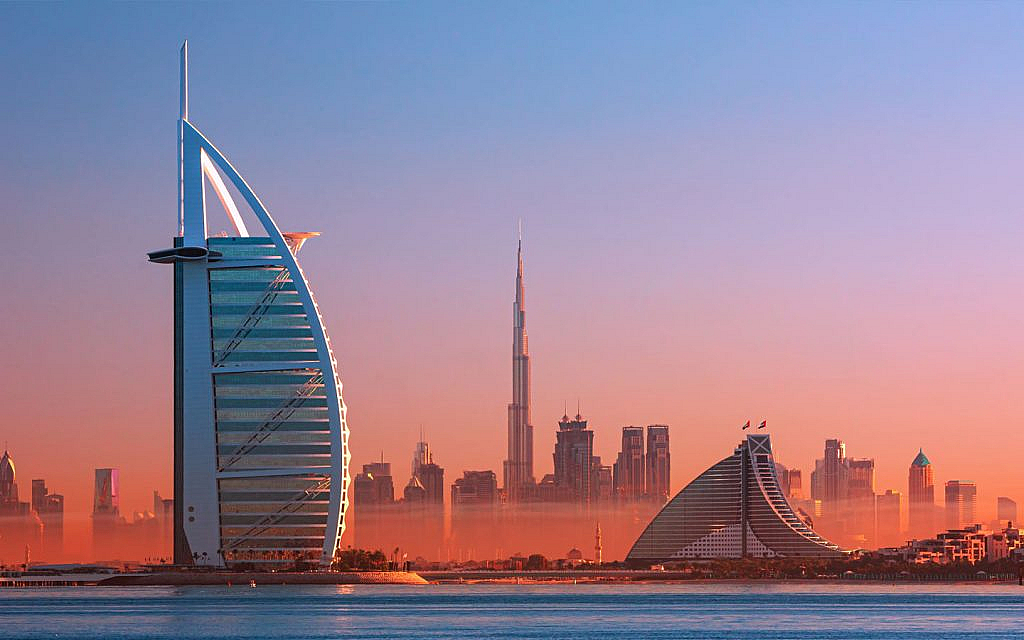
The UAE has developed various civic facilities to improve the quality of life for its residents. Additionally, it has invested in advanced sewerage systems to manage waste effectively and protect the environment.
Then, the infrastructure is designed to support its role as a global trade hub. Key projects include the expansion of major airports and seaports and the development of highways and bridges that connect the country’s major cities and facilitate smooth transportation. Also, there are several upcoming transportation projects in the UAE that will provide more convenience to commuters.
The country’s commitment to environmental sustainability is evident in its modern sewerage systems. For example, Abu Dhabi’s deep sewer tunnels are part of a larger effort to handle waste efficiently and support the country’s growing urban population. These projects are crucial for maintaining public health and environmental standards.
Telecommunications
The UAE’s telecommunications sector is advanced and highly regulated, with services provided primarily by Etisalat and Du. These companies offer extensive mobile, internet and landline infrastructure services in the UAE with broad coverage and fast connections.
The Telecommunications and Digital Government Regulatory Authority (TDRA) ensures that the sector operates under strict guidelines, fostering innovation while maintaining high service standards. The country has adopted 5G technology and plans for future developments like 6G.
Banking
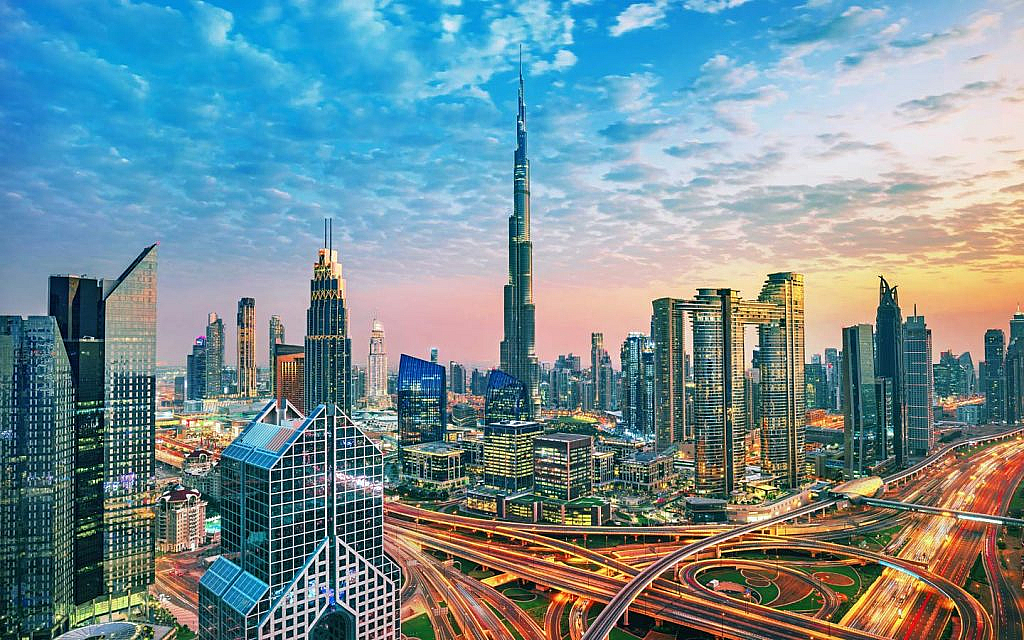
The UAE’s banking sector is a vital part of the economy that provides financial services through a mix of conventional and Islamic banks. These institutions offer personal banking, corporate banking, loans, mortgages and investment solutions. Digital banking has also revolutionised how customers interact with their banks, offering seamless online and mobile infrastructure services in the UAE for account management. The Central Bank of the UAE plays a crucial role in regulating the sector for economic stability, security and adherence to international standards.
Mail Services
The UAE’s mail services are efficiently managed by Emirates Post, which offers various postal and courier services within and internationally. Emirates Post connects the UAE with 192 countries, providing reliable and timely mail delivery. Customers can rent P.O. boxes, send parcels and access digital services such as paying utility bills online. The courier services are handy for businesses needing fast and secure delivery of documents and packages. The organisation continues to innovate, offering new infrastructure services in the UAE that cater to individuals and businesses.
FAQs
How Can I Report Issues With Public Infrastructure As a Service in Dubai?
You can report issues like road damage or utility problems through the official UAE government apps or by contacting the relevant municipality. The concerned authorities promptly respond to such complaints, which is why the Dubai road quality index is near perfect.
What Are the Requirements for Companies to Participate in Government Infrastructure Projects?
Companies must register with the relevant authorities, meet qualification criteria and adhere to the tendering process outlined by the UAE government.
Do I Need a NOC (No Objection Certificate) For All Infrastructure Projects in Dubai?
Yes, the federal government has mandated an NOC for all infrastructure projects. Here is how you can request for infrastructure projects NOC in dubai.
How Does the UAE Ensure the Quality of its Infrastructure?
The UAE government regularly monitors and maintains infrastructure through various regulatory bodies, ensuring compliance with international standards and continuous improvement.
There you have it – all the information you need about infrastructure services in the UAE. There are several advantages of infrastructure as a service in Dubai; the biggest one is the upgraded standard of living and convenience.
The government has focused a lot on maintaining these services’ standards, which is why it has become a business and tourism hub. With time, infrastructure services in the UAE are also becoming more advanced, facilitating locals, expats and travellers.
If you are planning to move to the UAE and make the most of these services, explore properties for sale in the UAE.
Stay connected to the dubizzle property blog to get more such insightful information.