The UAE is hailed as one of the safest and cleanest countries, with a focus on sustainability and eco-friendliness. With the UAE’s Net Zero strategy in place, developers are prioritising eco-friendly developments to ensure future-proof compliance. Essential green building certifications in the UAE set specific benchmarks pertaining to energy use, water conservation, indoor air quality and sustainable materials.
Green Building Certification in the UAE Explained
Real estate developers have to understand the green building certification in the UAE and meet the benchmarks set in it. The certifications include:
- Al Sa’fat – Dubai Green Building System (Mandatory)
- Estidama Pearl Rating System (Mandatory)
- LEED (Leadership in Energy and Environmental Design) (Recommended)
Al Sa’fat – Dubai Green Building System
Introduced by Dubai Municipality, Al Sa’fat is Dubai’s upgraded green building certification. Previously known as the Dubai Green Building Regulations and Specifications (DGBR), this evolved system serves as the mandatory green building framework for setting sustainability standards in new construction projects across Dubai.
The system helps improve environmental performance in the construction sector while supporting Dubai’s long-term sustainability and smart city initiatives. It applies to most new residential, commercial, hospitality, industrial and public-sector projects in the emirate. Al Sa’fat aims to reduce resource consumption, improve building efficiency and create healthier indoor environments for occupants.
Main Areas Covered Under Al Sa’fat
The regulations focus on several important aspects of sustainable construction:
- Energy Performance – Encourages efficient cooling systems, insulation, smart controls and reduced electricity consumption
- Water Efficiency – Promotes water-saving fixtures, greywater reuse systems and efficient landscaping practices
- Sustainable Materials – Supports the use of environmentally responsible, recyclable and low-emissions construction materials
- Indoor Environmental Quality – Improved occupant comfort through better ventilation, thermal performance and natural lighting
- Waste Management – Encourages proper construction waste handling, recycling and reduced landfill contribution
- Site Sustainability – Reduces environmental impact through responsible land use and heat-island reduction measures
Developer Compliance Requirements
To meet Al Sa’fat standards, developers must:
- Integrate sustainability measures during the planning and design phases
- Coordinate with qualified green building specialists and consultants
- Submit sustainability documentation and Green Building Declarations to Dubai Municipality
- Undergo inspections and technical reviews during construction
- Ensure all building systems meet approved environmental performance standards
Failure to comply may result in approval delays, requests for revisions, penalties or difficulties obtaining completion certificates.
Al Sa’fat Rating System
Al Sa’fat classifies buildings into sustainability tiers: Silver, Gold and Platinum. The system is structured as a mandatory baseline (Silver) with additional performance levels (Gold and Platinum).
Silver Sa’fa
This is the mandatory baseline requirement for most new building constructions in Dubai. It sets the minimum sustainability standards that projects must meet to get approvals from Dubai Municipality. It ensures compliance across key areas including energy efficiency, water conservation, indoor environmental quality, sustainable material and construction waste management.
Validity

- The validity rules for private villas and industrial buildings are more flexible and may be indefinite under certain conditions
- The validity for other buildings is 15 years (subject to renewal requirements)
Gold Sa’fa
This is a higher performance level above the mandatory baseline. It is presented to buildings that meet beyond baseline requirements by incorporating improved efficiency, water conservation and sustainable design strategies. This is an optional performance level pursued by developers aiming for higher environmental efficiency.
Validity: 5 years (subject to renewal requirements)
Platinum Sa’fa
Within the Al Sa’fat system, this is the highest sustainability performance level. It is given to developments that achieve exceptional environmental performance across all key assessment areas. Just like Gold, this is also an optional top-tier classification representing the most sustainable building design.
Validity: 5 years (subject to renewal requirements)
Role in Dubai’s Sustainability Vision
Al Sa’fat supports Dubai’s long-term environmental strategy by promoting efficient use of resources, reduced energy consumption and lower carbon emissions.
The framework also complements initiatives such as the Dubai Clean Energy Strategy 2050 and sustainable urban planning goals, contributing to a more efficient and resilient built environment aligned with the UAE’s Net Zero by 2050 ambition.
Examples in Dubai
Developments such as Expo 2020 Dubai and District 2020 (now Expo City Dubai) were delivered in line with Dubai’s green building regulations and wider sustainability standards.
Estidama Pearl Rating System

Estidama, an Arabic word which means sustainability, is Abu Dhabi’s official sustainable building framework. It is a locally developed framework specifically for the environmental conditions and resource priorities of the UAE capital.
Introduced by the Abu Dhabi Urban Planning Council (now part of the Department of Municipalities and Transport), Estidama is mandatory for most new developments in the capital city. Residential, commercial and government projects must comply with Estidama standards.
In addition to focusing on energy efficiency, the framework addresses water conservation, community planning and long-term environmental sustainability suited to the region’s desert climate.
Assessment Framework: Pearl Rating System (PRS)
The Estidama framework is built around climate-conscious development pillars, including:
- Integrated Development Process: Encouraging collaboration between architects, engineers and planners throughout the project lifecycle
- Natural Systems – Protecting biodiversity and local ecosystems
- Livable Communities – Improving comfort, safety and connectivity
- Precious Water – Promoting water efficiency, recycling and reduced consumption
- Resourceful Energy – Lowering energy demand through efficient systems and renewable energy integration
- Stewarding Materials – Supporting responsible sourcing, recycling and waste reduction
- Innovating Practice – Encouraging creative and modern eco-friendly solutions
Pearl Certification Scale
This system uses a tiered certification structure:
- 1 Pearl: Minimum requirement for most buildings in Abu Dhabi
- 2 Pearls: Minimum for government-funded developments in the capital city
- 3–5 Pearls: Optional higher ratings for projects focusing on green development and performance
Compliance and Enforcement
To meet Estidama requirements, developers have to:
- Submit Pearl-compliant design documentation
- Work with licensed Pearl Qualified Professionals (PQPs)
- Complete design and construction stage reviews
- Undergo inspections during project development
Failure to comply may result in delays, rejected approvals or financial penalties.
Examples in the UAE
- Khalifa University: Several campus developments have achieved high Pearl Ratings.
LEED
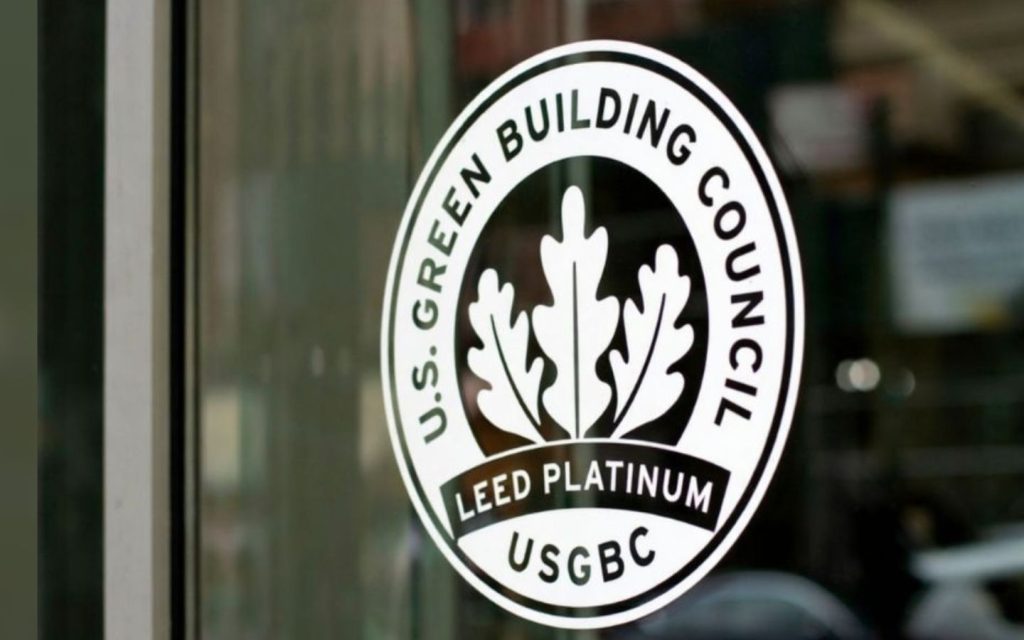
Leadership in Energy and Environmental Design (LEED) is a globally recognised green building certification system developed by the U.S. Green Building Council (USGBC). It provides a structured framework for designing, constructing and operating buildings that are:
- Resource-efficient
- Environmentally responsible
- Support occupant well-being
Although LEED certification is not mandatory, it is prevalent in the UAE, particularly for developments targeting international investors or premium market segments. The certification serves as a widely accepted benchmark for sustainability, enhancing both environmental performance and global market credibility.
Categories for Core Evaluation
LEED certification evaluates buildings across several key environmental performance areas. These include:
- Energy Efficiency – Incorporation of energy-saving systems such as LED lighting, efficient HVAC systems and smart automation
- Water Conservation – Use of low-flow fixtures, water-efficient irrigation and reduced consumption systems
- Indoor Environmental Quality – Improved air quality, natural lighting, thermal comfort and reduced pollutants
- Material Selection – Preference for recycled, locally sourced or rapidly renewable materials
- Sustainable Sites – Minimising environmental impact through ecosystem protection and reduced urban heat island effects
- Innovation & Regional Priority – Adoption of advanced sustainability solutions and locally relevant environmental strategies
Certification Levels
LEED certification is awarded based on a points system:
- Certified: 40–49 points
- Silver: 50–59 points
- Gold: 60–79 points
- Platinum: 80+ points
Examples in the UAE
- Masdar City, Abu Dhabi: This is a sustainability-focused development. It incorporates multiple green building principles, including LEED-aligned design strategies across various projects within the city.
- The Sustainable City, Dubai: This community features energy-efficient homes, solar integration and car-free zones, with buildings achieving LEED certification standards.
Comparing Major Green Building Frameworks in the UAE
Following is a comparison of the important green building certifications in the UAE.
| Certification | Region | Mandatory Status | Focus Area | Rating Structure |
| Al Sa’fat Dubai Green Building System | Dubai, UAE | Mandatory | Energy efficiency, water conservation, indoor environmental quality, sustainable materials and waste management | Silver (mandatory), Gold, Platinum |
| Estidama Pearl Rating System | Abu Dhabi, UAE | Mandatory | Water, energy, community planning and sustainable materials | 1 to 5 Pearl ratings |
| LEED | UAE and International | Not Mandatory | Energy efficiency, water conservation, indoor environments and sustainable materials | Certified, Silver, Gold, Platinum |
Other Sustainability Frameworks Used in the UAE
In addition to Al Sa’fat, Estimada and LEED, some other sustainability frameworks are also used in selected UAE projects. These systems mostly focus on specialised areas such as occupant well-being, construction standards or cost-effective green building solutions.
| Certification | Use in the UAE | Mandatory Status | Main Focus |
| BREEAM (Building Research Establishment Environmental Assessment Method) | Used in selected international and commercial developments | Not Mandatory | Energy efficiency, water use, materials and environmental performance |
| Green Globes | Limited use in the UAE | Not Mandatory | Sustainability assessment and environmental performance |
| WELL Building Standard | Increasingly used in premium offices and hospitality developments | Not Mandatory | Occupant health, wellness and indoor environmental quality |
| EDGE (Excellence in Design for Greater Efficiencies) | Used in selected residential and affordable housing projects | Not Mandatory | Energy, water and material efficiency |
Why Green Building Certifications in the UAE Matter
They matter because of the following key factors:
- Regulatory Compliance: Meeting sustainability requirements helps developers of green real estate in the UAE secure permits and approvals while avoiding project delays or regulatory penalties.
- Higher Property Value: Environmentally certified developments often appeal to investors, tenants and buyers looking for efficient and future-ready properties. Many sustainable off-plan properties in Dubai are also popular because of their strong potential for long-term appreciation value.
- Reduced Operating Costs: Efficient energy systems, water-saving technologies and durable materials can significantly lower long-term utility and maintenance costs.
- Environmental Responsibility: Sustainable construction practices contribute to the UAE’s environmental goals by reducing emissions, conserving water and limiting construction waste.
- Stronger Market Positioning: Green-certified projects can enhance a developer’s reputation by demonstrating a commitment to innovation, sustainability and modern living standards.
FAQs
What is the difference between Al Sa’fat, Estidama and Leed?
LEED is an international green building certification, Estidama is Abu Dhabi’s sustainability framework and DGBR is Dubai’s mandatory green building regulation system.
Is LEED certification mandatory in the UAE?
No, LEED certification is voluntary in the UAE but widely used for sustainable developments.
Which green building certifications are mandatory in the UAE?
Al Sa’fat is mandatory for most new building constructions in Dubai and Estidama is a must for new developments in Abu Dhabi.
What is the relationship between Al Sa’fat and Dubai Building Code (DBC)?
Al Sa’fat and DBC are separate but complementary frameworks that govern construction projects in Dubai. Al Sa’fat is Dubai’s mandatory green building system for sustainability, whereas, DBC is the mandatory unified building code for all construction in Dubai including safety, fire, structure, accessibility and basic sustainability. Projects in Dubai must comply with both.
The UAE continues to integrate sustainability into its rapidly expanding real estate sector through frameworks such as LEED, Estidama and DGBR. What was once thought to be a niche construction approach has now become a part of the mainstream property development standards.
For developers, adopting green building practices is not just about regulatory compliance but also about improving operational efficiency, increasing long-term asset value and meeting changing market expectations.
Those looking to buy green properties can go through these properties for sale in the UAE and select the one that best suits their requirements.
Stay tuned to the UAE’s top property blog for more on different real estate certifications.