
- FAQs About Buying Properties
- FAQs About Renting Properties
- FAQs About Mortgages in Dubai
- FAQs About Dubai Freehold Properties
- FAQs About Dubai Off-plan Properties
- FAQs About Real Estate Agents
- FAQs About Visas
Dubai has evolved rapidly into one of the world’s leading real estate hubs. The emirate is known for its skyscrapers, property projects and investment opportunities. Moreover, the Dubai government has introduced laws and regulations to protect the rights of all parties involved. If you are new to the market or are planning to invest, we have compiled a list of useful answers to common Dubai real estate FAQs to help you with the process.
Important FAQs Pertaining to Dubai Real Estate

The city’s real estate sector is thriving, offering a range of opportunities for investors, buyers and tenants alike. Below are some key FAQs covering buying and renting property, mortgages, freehold, off-plan ownership, visas and working with real estate agents in Dubai.
FAQs About Buying Properties in Dubai

Let’s explore the common queries buyers have when investing in Dubai properties.
How do I buy property in Dubai on instalments?
Developers in Dubai offer flexible post-handover instalment plans. Common structures include:
- 60:40 Plan – 60% of the property value is paid during the construction phase, while the remaining 40% is settled post-handover.
- 10:90 Plan – A minimum of 10% is required upfront to secure the unit, with the remaining 90% payable in instalments after handover.
- 40:60 Plan – Buyers pay 40% before possession, followed by 60% in scheduled payments over a defined post-handover period.
- 30:70 Plan – 30% is paid during construction, with the balance 70% spread out after moving in.
These plans allow for greater financial flexibility, making property ownership more accessible without the need for full upfront payment.
Are residential properties in Dubai subject to VAT?
Residential property sales and leases in Dubai are generally exempt from VAT. However, the first sale of a newly built residential property within three years of completion is zero-rated (0% VAT), meaning VAT applies but the developer can reclaim it. In contrast, a 5% VAT applies to all commercial property sales and leases.
What does DLD mean?
DLD stands for the Dubai Land Department, the government entity responsible for regulating and overseeing real estate transactions, property registration, ownership rights and legal compliance in the emirate. The authority plays a central role in real estate policy-making, planning and sector development. For further details, explore these common DLD FAQs.
Can foreigners buy property in Dubai?
Yes. Foreign nationals, including those not living in the UAE, can buy property in designated freehold areas of Dubai and own it outright with no time restriction.
Can expats living in the UAE buy property in Dubai?

Yes, expatriates residing in the UAE can purchase property in freehold areas, with the right to own, sell, lease or inherit the property. In some cases, they may also obtain leasehold or usufruct rights for up to 99 years.
What are the steps to buying a property in Dubai?
Whether you’re looking for your dream home or a profitable investment, the process of buying a property in Dubai is relatively straightforward. There are four legal steps for buying property in Dubai. These include:
- Agree on terms with the seller and sign Form F (Memorandum of Understanding – MOU)
This document outlines the agreed sale price and terms. It is signed by both parties to initiate the transaction. - Apply for a No Objection Certificate (NOC)
The developer must issue an NOC confirming there are no outstanding service charges or objections to the sale. - Finalise the sale at a DLD registration trustee office
Both parties attend the appointment to complete the legal transfer of ownership. - Pay the transfer fees and receive your title deed
Once the transfer is complete, the buyer pays the applicable DLD fees and receives an official title deed as proof of ownership.
I am moving to Dubai. Where can I find properties in Dubai?
You can find a number of properties for sale in Dubai on dubizzle. Whether you wish to rent properties in Dubai or buy properties, the platform offers a number of options.
How do I calculate property value in Dubai?
Several elements influence property valuation in Dubai, including location, property size, condition, age and any renovations or upgrades. Market trends and recent comparable sales in the area also play a role. For an official estimate, you can submit a property valuation request through the DLD website.
Do I need a residence visa to buy property in Dubai?
No, a residence visa is not required to buy freehold property in Dubai. However, certain visa types may offer additional benefits for property buyers, such as the Dubai property investor visa.
Are there annual property-related fees I should know about?
Yes. In addition to the purchase price, buyers must budget for annual service charges, which cover building maintenance, security, common areas and community services. These fees are calculated per square foot and regulated by the DLD’s Real Estate Regulatory Agency.
Can I buy a property in Dubai remotely (from abroad)?
Yes. Property purchases in Dubai can be completed remotely, including signing contracts via digital means and issuing a Power of Attorney (PoA). Many developers and brokers facilitate international transactions with secure processes aligned with DLD regulations.
FAQs About Renting Properties in Dubai
Discover the key questions and answers tenants often have when renting in Dubai.

How is rent paid in Dubai?
Rental payments in Dubai are usually paid via post-dated cheques, which can be issued as a single cheque or multiple cheques (commonly 2 to 4). Some landlords also accept payments via the UAE Central Bank’s Direct Debit System, especially for long-term rentals.
What documents are needed for a rent contract in Dubai?
You need to have your Emirates ID, a copy of a valid residence visa, passport copies (landlord and tenant), a cheque for the security deposit and a cheque for the agency fee (where needed) to prepare a rent contract in Dubai.
What is RERA Dubai?
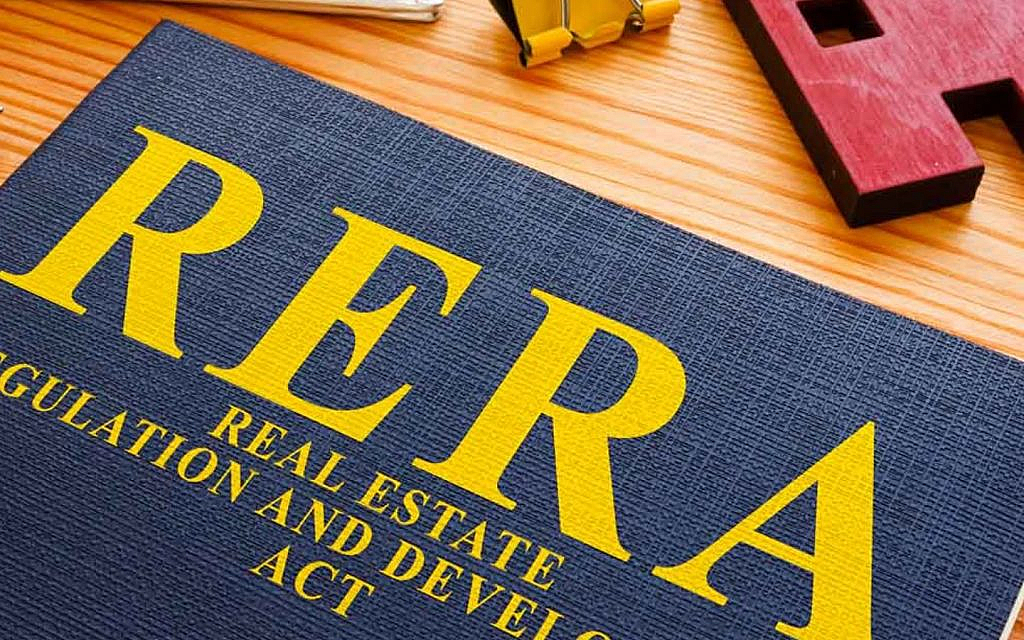
RERA (Real Estate Regulatory Agency) is a part of DLD. It integrates the rules and regulations to facilitate the buying and selling of properties in Dubai. To streamline the process further, proper RERA forms were also introduced for property transactions. These forms make sure the transaction between the buyer and seller is fair and smooth.
What is the purpose of the RERA rental increase calculator?
The RERA rental calculator by Dubai Land Department (DLD) helps determine if a rental increase is legally permitted based on current market rates and the existing rent amount. It also ensures the rental hikes comply with Dubai’s tenancy laws.
What is a lease contract?
A lease contract (or tenancy agreement) for a commercial or residential property is a legally binding document between a tenant and a landlord. It outlines the terms and conditions pertaining to the tenant and landlord. It includes the rent amount, duration, payment method, maintenance responsibilities and renewal terms.
What is a rental term?
Rental term is the time period between rental payments. It is the time duration for which a responsible person rents or leases a rental unit. In simple terms, it is the time period during which Party A is entitled to use a rental property and Party B is entitled to receive a payment from Party A according to the lease terms and conditions.
What is Ejari?
Ejari is a vigorous regulatory system by RERA. It helps manage the relationship between a landlord and tenant in Dubai.
Is it necessary for tenants to register a tenancy contract with Ejari?
Yes, tenants must register a tenancy contract with Ejari. The system ensures all private rental contracts are drafted into legally binding documents, structured in a format approved by the government.
How to find the best rental units in Dubai?
You can find a number of apartments for rent in Dubai and villas for rent in Dubai on dubizzle.
FAQs About Mortgages in Dubai

Key Dubai real estate FAQs about mortgages include:
Who can apply for a mortgage?
A UAE national or resident can apply for a mortgage in Dubai. They should be between the ages of 21 and 65.
What is the minimum income requirement to take a mortgage loan?
For mortgages in Dubai, most banks set a minimum monthly income requirement of around AED 15,000 for salaried individuals and AED 25,000 for self-employed applicants. However, the exact amount can vary depending on the lender’s policies.
How to apply for a mortgage in Dubai?
To apply for a mortgage to finance a home purchase in Dubai, you need to first find a lender. Then choose the right mortgage for you, given that there are different types of mortgages. Next, get a preapproval letter, find a home of your choice and finalise your property purchase.
What is the maximum number of years to take out a mortgage for?
In the UAE, the maximum loan term for a mortgage is 25 years for salaried people up to age 65, which is the retirement age or up to 70 years for self-employed people.
Can non-residents get a mortgage?
Yes, expatriates and non-residents can obtain a mortgage to finance property purchases in Dubai
What are equated monthly instalments (EMIs)?
EMI is the amount an individual needs to pay back every month on a particular date. Over a fixed time duration, the EMI covers your interest and principal loan amount until you’ve paid off the loan entirely.
FAQs About Freehold Property in Dubai

These are the important real estate FAQs about freehold property in Dubai.
What is freehold property in Dubai?
Freehold property refers to any property that is ‘free from hold’ by anyone else except the property owner. To put it simply, freehold property ownership in Dubai allows total ownership of the property in addition to the land the property is built on, without any time restriction. DLD registers a freehold property owner’s name as ‘landowner’ in the registry and grants a title deed for the property. The property can then be sold, leased or occupied at the owner’s will.
What is leasehold property?
Anyone who buys a leasehold property in Dubai gets property rights for a fixed term. The buyer can lease the property from the owner for a minimum of 10 years and a maximum of 99 years.
However, under a leasehold, the buyer does not own the property’s land. The ultimate ownership of the land goes back to the freeholder.
Moreover, a leasehold property buyer needs the freeholder’s permission to make alterations, repairs or improvements to the property.
What is commonhold property?
Freehold apartments are referred to as commonhold property in Dubai. This is because the freehold ownership of apartments in Dubai grants a title deed and total ownership of the unit they buy, but not the land on which the apartment building is built.
However, buyers of freehold villas and townhouses in Dubai receive ownership of the unit and the land it’s built on.
Apart from this difference, much like freehold property owners of villas, commonhold property owners can occupy, buy, rent or sell commonhold apartments in Dubai according to their own wish or pass the apartment on as inheritance.
What is non-freehold property in Dubai?
Non-freehold property in Dubai refers to those properties or areas that are not open to foreign investments.
Can foreign nationals own freehold property in Dubai?
Yes, foreign nationals, including non-residents and expatriate investors, can buy and have absolute ownership of freehold properties in Dubai. Foreign nationals are allowed to buy, sell or lease their property in designated zones.
FAQs About Dubai Off-Plan Property

These are the key real estate FAQs about off-plan property in Dubai.
What is an off-plan property?
An off-plan property refers to a property available for sale or purchase before its construction is completed. Buyers are purchasing a property based on its floor plan. Moreover, off-plan properties are popular among foreign and local investors, thanks to their easy payment plans and Return on Investment (ROI).
What are the risks of buying off-plan property in Dubai?
Risks of buying off-plan properties in Dubai include delayed completion or cancellation of the project, changing market conditions, quality may not be according to expectation, cannot be sold till a certain sale price percentage is paid and there are no immediate returns.
Why should I consider buying off-plan property in Dubai?
Off-plan property purchases are popular among first-time buyers and experienced investors in Dubai, for several reasons. Those buying off-plan property in Dubai enjoy discounted prices as opposed to buying ready properties. Meanwhile, the market value for an off-plan property could increase while the buyer would still only pay the ‘locked-in’ price. This benefits them with returns when they decide to sell the property.
Can I get a mortgage to buy off-plan property in Dubai?
Yes, that said, the mortgages for off-plan properties in Dubai have a maximum loan-to-value ratio of 50%, which can only be done once the buyer pays 50% of the property. When it comes to off-plan properties, banks also have conditions on the type of properties and projects they are willing to finance.
How can I sell off-plan property in Dubai?
To sell an off-plan property in Dubai, you must check with the developer about their conditions for off-plan property sales. Developers often require buyers to pay a certain percentage of the property before they can sell. This percentage varies between developers.
FAQs about real estate agents
Let’s go through some important real estate FAQs about real estate agents in Dubai.
How to choose the right brokerage in Dubai?
The right brokerage in Dubai has to be RERA-approved. Good property brokers are going to conduct a proper market analysis of the areas they deal with and present it to you. Moreover, past clients generally have positive reviews about the right brokerage companies in Dubai.
How to find the best rated real estate agent in Dubai?
You can find the best rated real estate agents in Dubai on Bayut.com and dubizzle.com.
How to become a real estate agent in Dubai?
To become a real estate agent in Dubai, one must obtain a residency permit. UAE citizens and GCC nationals can sign up for the licensing process. However, expats need to have a valid residency visa to apply. Next, you need to sign up for training at the Dubai Real Estate Institute (DREI), take the RERA exam and obtain the realtor licence.
What is a RERA-certified course?
DREI certified training is a certified course approved by the Real Estate Regulatory Agency (RERA).
FAQs About Visas
Necessary FAQs pertaining to visas in Dubai include:
Can I get a visa if I buy a property in Dubai?
Yes. As of April 2026, property buyers in Dubai can obtain a renewable two-year residence visa regardless of the property’s value, provided the asset is fully owned and properly registered under the investor’s name.
For long-term residency, investors with property valued at AED 2 million or more may qualify for a 10-year Golden Visa, subject to meeting Dubai Land Department (DLD) and immigration requirements.
How long can you stay in Dubai if you own a property in the Emirate?
After purchasing a property, you can apply for a residence visa. This visa is valid for two years as long as you own the property and visit the UAE every 180 days.
Can I buy property in Dubai without a residence visa?
A residence visa is not necessary to buy property in Dubai. That said, a valid passport is required to purchase a property in the UAE.
What is a property visa?
A property visa enables the property holder to stay in the country for three to five years and can be maintained for as long as the investor owns property in the country. The three-year visa is available to individuals who purchased a property of AED 1 million or more, while for the five-year visa, the property ownership has to be worth a minimum of AED 5 million.
Is a Dubai property visa renewable?
Yes, the Dubai property visa must be renewed every two to three years, depending on the visa type and the property’s value.
What are the different types of investor visas?
Different types of investor visas include a 6-month multi-entry visa, a 3-year residence visa, a 5-year long-term residence visa and a 10-year long-term residence visa.
What is the Dubai Golden visa?
The golden visa is a long-term residence visa that enables foreign talents to live, work or study in the UAE. An investment of AED 2 million is required to be eligible for a Dubai Golden visa.
Dubai’s real estate sector continues to attract investors, buyers and tenants. While this FAQ guide covers the most important questions about buying, renting, mortgages, ownership rights and visas, the market is dynamic and rules may evolve. Staying updated through official sources like DLD and RERA ascertains smooth and secure property transactions.
Looking to buy your next home in the emirate? Explore these properties for sale in Dubai. Tenants can also browse through the various properties for rent in Dubai.
For more on different queries and topics pertaining to the UAE’s real estate, stay tuned to dubizzle’s property blog.