Electricity is a vital part of our lives, powering everything from lighting and appliances to communication devices and cooling systems. While it brings convenience and comfort, it also presents serious risks when safety measures are overlooked.
To prevent any unfortunate events, following some electrical safety tips for homes becomes necessary for the well-being of every household. Whether you live in a newly built home or an older property, taking preventive steps and fostering safe habits can help reduce risks and protect your loved ones.
Electrical Safety Checklist
If you own a home or live in a rented property in the UAE, it’s crucial to learn basic electrical safety. Having such knowledge is essential because it helps prevent electrical fires at home, accidents, injuries and even fatal incidents like electric shocks or fires.
Moreover, basic safety practices, such as turning off power before repairs, empower individuals to use appliances and systems responsibly. This helps identify signs of electrical problems early on, ensuring timely maintenance and protecting both lives and property.
Let’s go through some electrical safety tips for homes.
1. Inspect Electrical Cords and Outlets Regularly
It is important to routinely check all electrical cords and outlets around the house. If you notice any fraying, cracking or exposed wiring, the cord should be replaced immediately. Never attempt to tape or repair a damaged cord, as this can make the situation worse. Also, keep an eye on outlets that appear discoloured, make buzzing noises, or emit a burning smell. These could be signs of overheating. Moreover, all the plugs should fit securely in their sockets; if they feel loose, have the outlet checked by a professional MEP company in Dubai or the emirate you’re based in.

2. Avoid Overloading Outlets
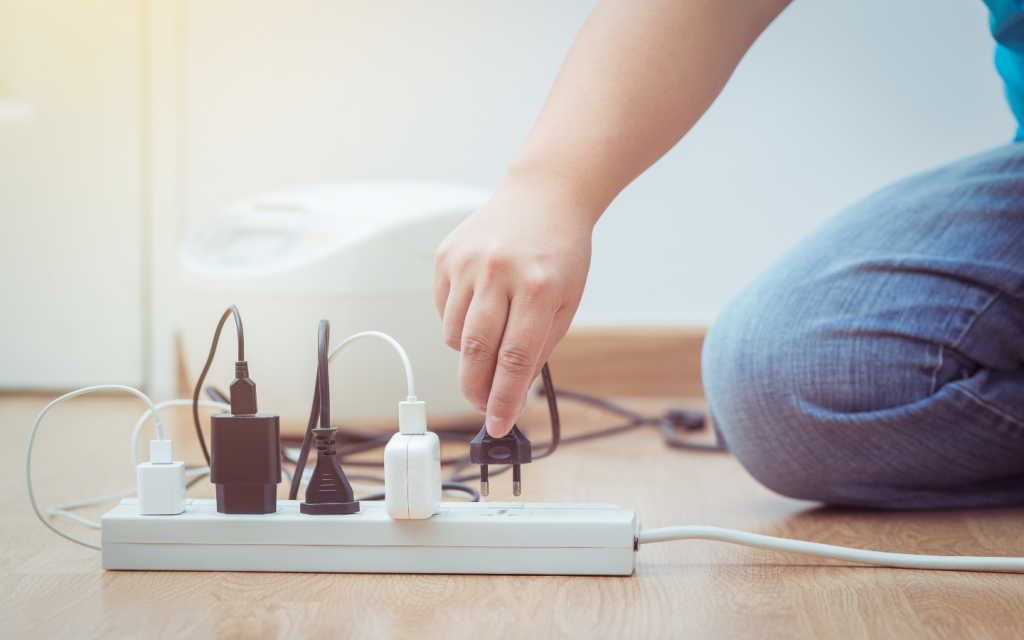
Each electrical outlet in a home has a specific amount of power. Plugging in too many devices at once, especially high-wattage appliances, can lead to overheating and potential fires. One of the electrical safety tips for homes is to use a power strip with a built-in circuit breaker to plug in multiple devices.
Avoid connecting one power strip to another, a practice known as ‘daisy-chaining’ and always plug large appliances like microwaves and space heaters directly into a wall socket rather than an extension cord.
4. Keep Water Away from Electrical Appliances
Water and electricity are a dangerous combination. Always make sure your hands are dry before touching switches or appliances. Electrical devices such as hairdryers, electric razors and chargers should be kept away from water sources like sinks, bathtubs and kitchen counters. For areas prone to moisture, such as bathrooms, kitchens, laundry rooms and outdoor spaces, it’s crucial to have Ground Fault Circuit Interrupters (GFCIs) installed. These devices automatically shut off power if a fault is detected.
5. Unplug Appliances When Not in Use
Many appliances draw power even when turned off, a phenomenon known as ‘phantom load.’ Unplugging devices when they’re not in use helps reduce this waste and lowers the risk of electrical issues. Such electrical safety tips for homes also protect the appliances during power surges. If manually unplugging each device is inconvenient, consider using smart plugs or timers that let you control power usage remotely.
3. Childproof the Electrical System
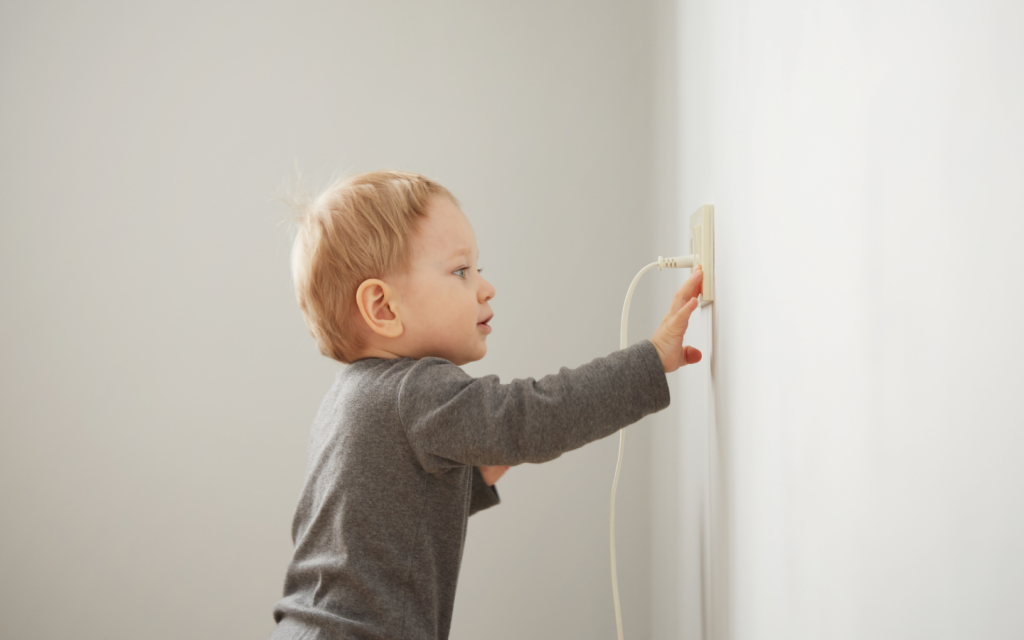
With young children at home, it’s essential to childproof your house, including the electrical outlets. Install tamper-resistant outlets or use simple plastic safety plugs to block unused sockets. Keep all electrical cords out of children’s reach and avoid running cords under rugs or furniture, where children might find and tug on them. Taking these steps can prevent accidental shocks or burns.
6. Use the Correct Wattage for Light Fixtures
Always check the recommended wattage on the light fixtures and track lighting and never exceed it. Using a bulb with higher wattage than the fixture can cause overheating and increase the risk of fire. A safer and more energy-efficient option is to switch to LED bulbs, which produce less heat and consume significantly less power.
7. Install and Maintain Smoke Detectors
Smoke alarms are a key component of safety and preventing home fires. Install them in every bedroom, hallway and living area. Test each alarm once a month and replace the batteries at least once a year. Additionally, smoke detectors should be replaced every 10 years to ensure they function effectively in an emergency.
8. Schedule Routine Electrical Inspections
Older homes may have outdated wiring that no longer meets current safety standards. If you experience frequent circuit breaker trips, flickering lights, or unusual smells near outlets, it’s a good idea to schedule a professional inspection. Those living in the capital can refer to different MEP companies in Abu Dhabi, whereas those in other cities can check out the companies in their respective emirates. Moreover, a licensed electrician can assess a home’s electrical system and recommend necessary upgrades for electrical hazards at home.

9. Use Extension Cords Safely
Extension cords should only be used as temporary solutions. One of the most helpful electrical safety tips for homes is to choose cords that are suitable for either indoor or outdoor use, depending on where they’re being used. Never run extension cords under carpets, rugs, or through doors or windows, as this can cause the wires to wear out or overheat.
10. Avoid DIY Electrical Work
Electrical repairs and installations should be handled by qualified professionals. Unless you have formal training, avoid attempting to fix outlets, rewire switches, or install fixtures yourself. If you do need to perform basic work, always turn off the power at the circuit breaker and use a voltage tester to confirm the power is off. For anything beyond minor tasks, hiring a licenced electrician is the safest route.
11. Label the Circuit Breaker Panel
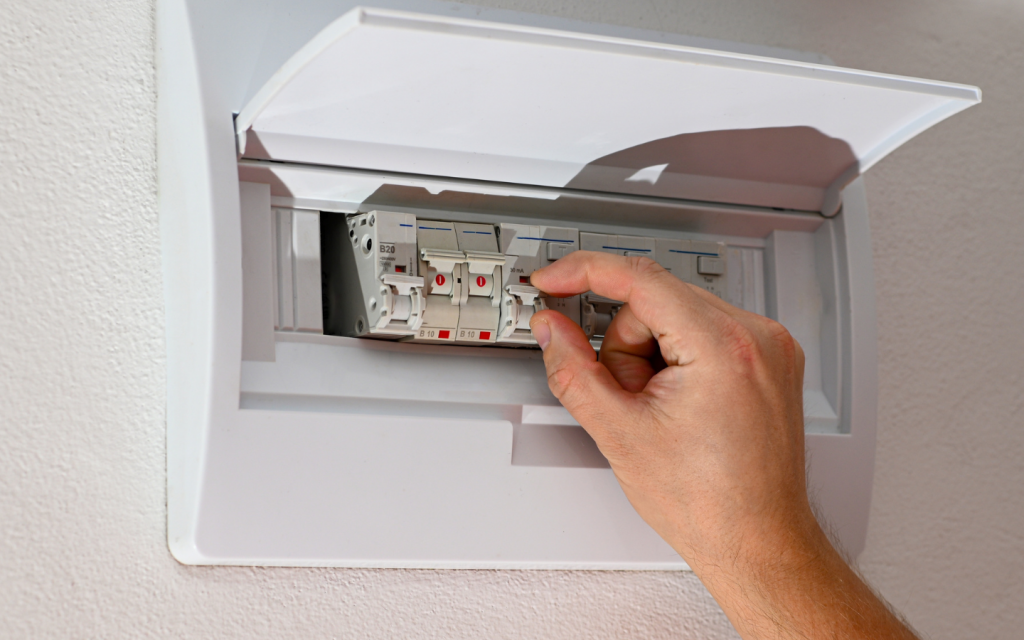
In case of an emergency, it is important to know which circuit breaker controls which area of the home. Label each switch on the panel clearly so that you can quickly shut off power to a specific area when needed. Test the breakers periodically to ensure they’re working correctly. If a particular breaker trips repeatedly, have it examined by an electrician or an electrical company in Dubai or the rest of the UAE, as this may indicate a deeper issue.
12. Monitor the Condition of the Appliances
Appliances that are old or malfunctioning can attract fire hazards. If an appliance emits a burning smell, gets unusually hot, or starts operating erratically, stop using it immediately and have it repaired or replaced. Regular cleaning for electronic devices, especially for items like toasters and dryers, also helps prevent the buildup of flammable materials.
13. Educate Your Family About Electrical Safety
Apart from learning electrical safety tips for homes, everyone in the household should understand the basics. Teach younger ones child electrical safety tips, such as to never touch outlets or cords and explain to older family members how to safely unplug appliances and use the circuit breaker. It’s also a good idea to create a fire escape plan and review it with your family regularly.
FAQs
Is it safe to use extension cords as a permanent wiring solution?
No, using extension cords as a permanent wiring solution is not safe and can increase the risk of electrical fires or shock.
How often should I have an electrician inspect my home’s wiring?
It’s recommended to have a licenced electrician inspect the home’s wiring at least every 5 to 10 years, or sooner if you notice any issues.
Can I do my own electrical repairs at home in Dubai or Abu Dhabi?
In Dubai and Abu Dhabi, only licenced professionals are legally allowed to carry out electrical repairs to ensure safety and compliance with local regulations.
These were some electrical safety tips for homes that every person should be aware of. Whether you’re looking for rental units or want to buy a house in the UAE, these basic tips help prevent any unfortunate events involving electricity.
For more on home safety tips, keep reading dubizzle’s real estate blog.