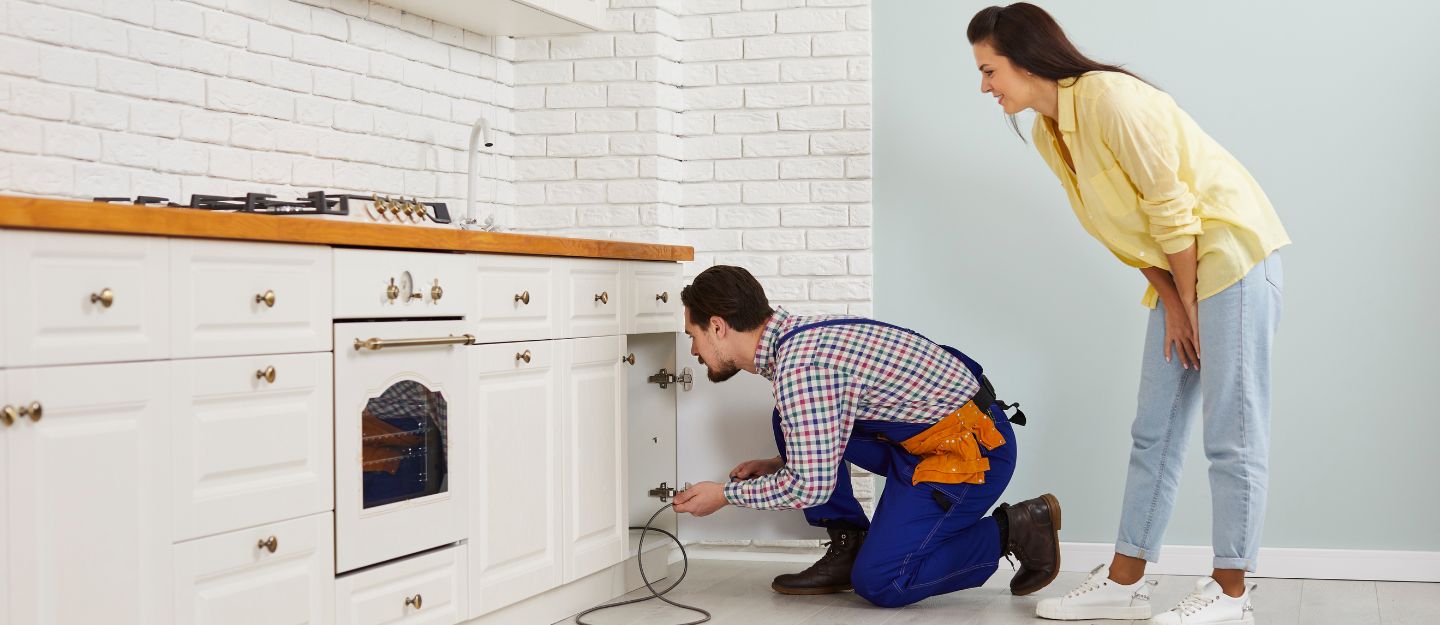
Clogged drains in apartments often result from a buildup of common waste materials. Understanding the common causes of drain blockages, from grease and hair to soap scum and food scraps, helps identify why water stops draining properly. Knowing how to unclog a drain effectively can save time, prevent damage, and reduce the need for costly repairs. Identifying the cause of the blockage is the first step. The right method to clear it depends on the type and location of the clog, ranging from simple plunging to using specialised tools.
Let’s look at the most effective ways to clear clogged drains in apartments.
What causes sink clogs?
There are multiple causes of a clogged sink. These are the most common ones:
Hair
Hair is one of the most common reasons for sink clogs, especially in bathroom drains. Strands easily slip through the drain cover during washing and start accumulating inside the pipe. Over time, they tangle with soap and dirt, forming a blockage that restricts water flow.
Grease and Oil
Grease and oil are major causes of clogged drains, especially in kitchen sinks. When poured down the drain, hot grease cools and solidifies inside the pipes. This hardened grease sticks to the pipe walls and traps food particles, fats and more grease. Over time, a thick buildup is formed that blocks water flow. In some cases, large masses called fatbergs form and severely damage plumbing systems.
Soap Scum
Soap scum is a sticky, white residue that builds up inside drain pipes over time. It combines with hair, oils and other debris to form thick blockages that slow down or stop water flow. In bathroom sinks and showers, soap scum sticks to the pipe walls and traps more waste, gradually narrowing the drain opening. Bar soap tends to cause more buildup than liquid soap because it contains fats and talc, which leave behind residue during use.
Food Scraps
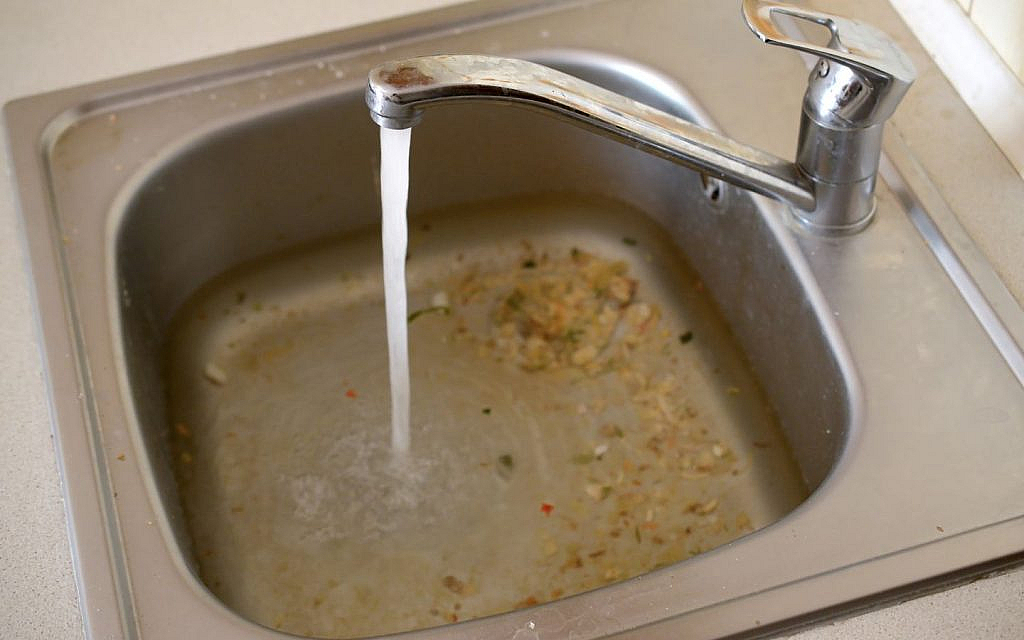
Food scraps are a common cause of clogged drains in apartments, mainly in kitchen sinks. When leftover particles are washed down the drain, they can stick to the pipe walls and mix with grease and fat to form thick blockages. This reduces water flow and eventually causes a full blockage.

Items like pasta, rice, coffee grounds and eggshells are more likely to cause problems, as they either expand when wet or don’t break down easily.
Toilet Paper
Toilet paper is made to break down in water, but using too much at once can lead to clogs, mostly in toilets with low-flow flush systems. Excess paper can block the P-trap (the curved pipe under the toilet) or get stuck deeper, causing slow drainage or a complete blockage. Thick or multi-ply toilet paper also breaks down more slowly, increasing the chances of a clog. Using moderate amounts and flushing in intervals can help prevent this issue.
Step-by-Step Guide to Clear a Clogged Drain
Many clogged drains can be resolved with simple home repairs that can be done in a minute, such as using a plunger or removing debris from the drain opening. These quick fixes often save time and avoid the need for professional help.
The following are some of the methods that can help clear a clogged drain in an apartment effectively, depending on the type and severity of the blockage.
Plunger
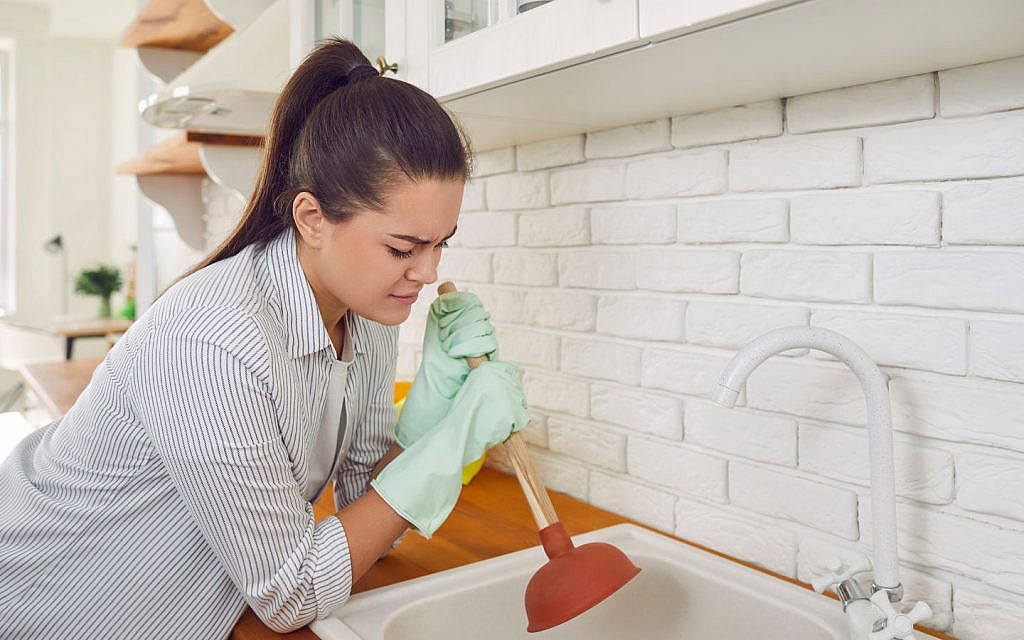
A plunger is one of the simplest and most essential must-have tools in a home for clearing minor clogs. When considering new and used hand tools for sale in Dubai for basic plumbing tasks, a plunger is an affordable first step. For those living in the UAE, renters interested in DIY plumbing solutions, a good plunger is a must-have. Begin by partially filling the sink with water. This helps create pressure during plunging. Make sure the plunger is fully covered with water and positioned directly over the drain.
Push down slowly, then plunge firmly several times. If the water starts draining slowly, repeat the process. If it flows quickly, the blockage has likely been cleared.
Boiling water
Boiling water can help clear clogs caused by grease, soap scum and small organic matter. The heat melts and breaks down these substances, making it easier for them to wash away. It also causes pipes to expand slightly, which can help loosen some blockages.
Homemade Drain Cleaner
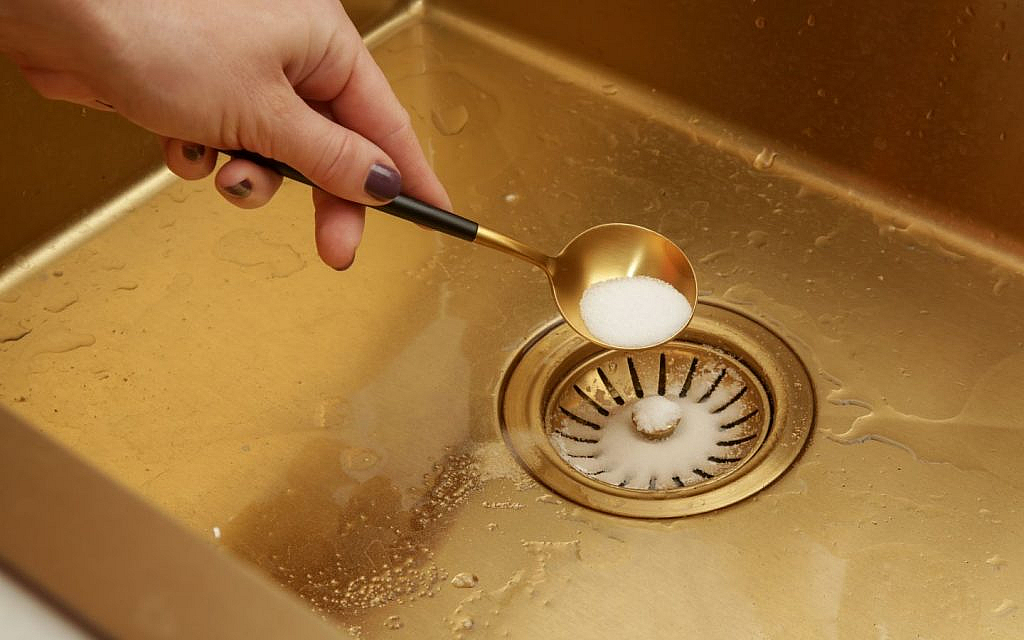
If boiling water doesn’t clear the clog, try a mix of baking soda and vinegar in the clogged drain. The fizzing reaction between the two helps break down grease, grime and minor blockages. This is just one of the many DIY kitchen cleaning hacks and knowing reliable ways to maintain a clean home, including the drains, can save time and money while preventing bigger plumbing issues.
Start by pouring about half a cup of baking soda into the drain. Then add vinegar until it begins to bubble. Let the mixture sit for at least 15–30 minutes or overnight for better results. Rinse with hot water. Repeat the process if required.
Drain Snake
A drain snake, also called a drain auger, is used when plungers or cleaners don’t work. It is a long, flexible metal coil with a handle, designed to move deep into the drain and reach tough blockages. The tool works by twisting into the clog to break it apart or hooking onto it, allowing it to be pulled out. Some augers attach to an electric drill for extra force. Drain snakes are useful for clearing clogs that are located deep within the pipes and can’t be removed with surface-level tools.
Remove the U-trap
This method only works for clogs in sink drains. For clogs in tubs or floor drains, use other methods. The U-trap is the curved pipe directly under the sink. It often traps debris, causing blockages.
To clear it, place a bucket underneath to catch any water. Carefully loosen the nuts on both ends of the U-trap and remove it. Empty the pipe and clean the inside with hot water. A strong smell or buildup means the clog was inside the trap.
Once clean, reattach the U-trap by tightening the nuts. Run water to make sure the drain is clear.
FAQs
What tools can I use to clear a blocked sink or shower drain?
Common tools to clear a blocked sink or shower drain include plungers, drain snakes (augers), drain sticks, wire hangers and chemical drain cleaners.
Are chemical drain cleaners safe to use in apartment plumbing?
Chemical drain cleaners are generally not considered safe for apartment plumbing due to their highly corrosive nature. Frequent use can weaken and damage pipes.
What should I avoid putting down the drain to prevent clogs?
Avoid putting grease, oils, fats, coffee grounds, food scraps, paper towels, wipes, feminine hygiene products, hair, soap scum and other non-flushable items down the drain to prevent clogs.
Clogged drains are common in apartment living, but most can be cleared without calling for professional help. Knowing how to clear a clogged drain in your apartment by understanding what causes the clog and using the right method early can help prevent bigger plumbing issues later. While some solutions are simple, others may require tools or more time. If the problem keeps coming back, it may be a sign of a deeper issue. In such cases, it’s best to get expert support and reach out to drainage services in Dubai to avoid long-term damage to the plumbing system.
When you rent an apartment in the UAE, make sure you check all the drains during the initial walkthrough. Signs like slow drainage or unpleasant smells can point to existing issues. Addressing them early can save time and avoid bigger maintenance problems later.
Stay tuned to the UAE’s leading real estate blog to learn more tips to keep your apartment clean.