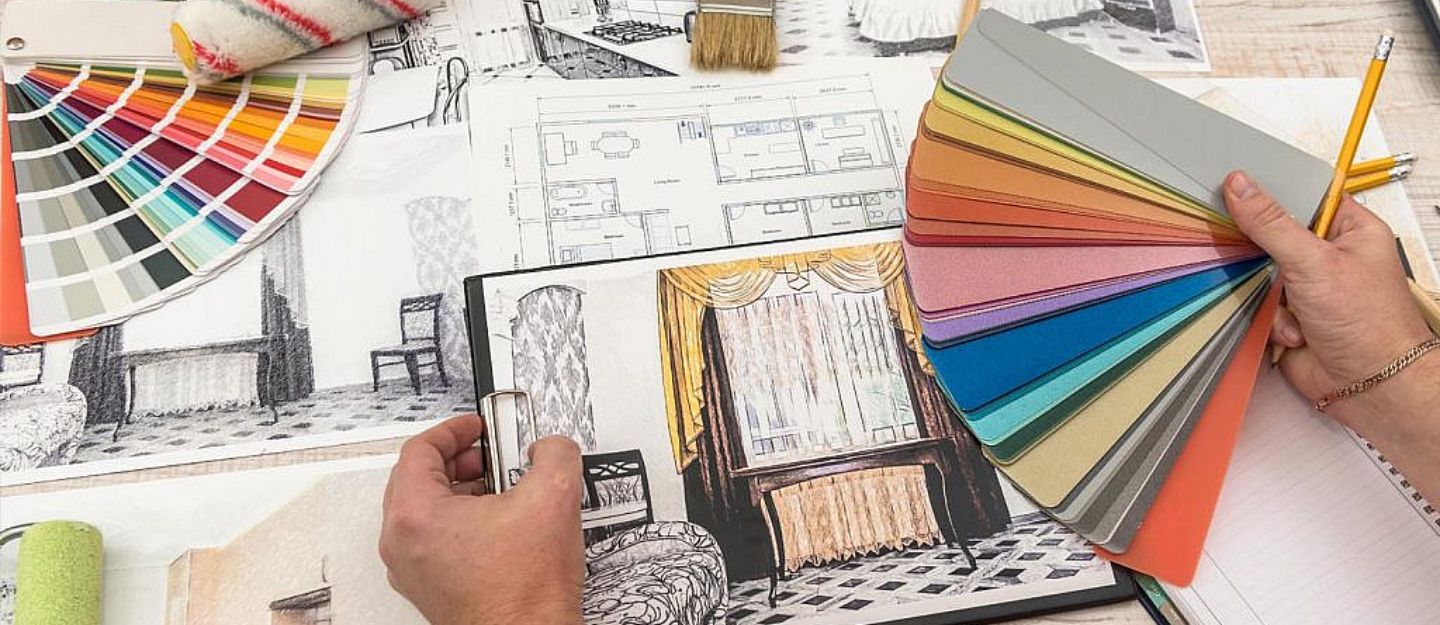
House painting is an essential aspect of maintaining and enhancing the appearance and value of your property. Whether you’re a homeowner in Dubai, Abu Dhabi or anywhere in the UAE, undertaking a painting project can be both exciting and challenging. However, many people fall into common pitfalls that can compromise the quality, durability and aesthetic appeal of their paintwork. In hot, dusty and humid conditions, paint quality and preparation play an even bigger role in ensuring long-lasting results.
Mistakes to Avoid During House Painting
Painting is one of the most effective elements of interior design that helps in transforming a home. A fresh coat of paint can make rooms look brighter and even increase property value. However, a project that seems straightforward can quickly become frustrating if common mistakes are overlooked. To help you achieve a flawless finish and long-lasting results, we have covered the most common house painting mistakes to avoid during your next property project in the UAE.
Skipping Proper Surface Preparation
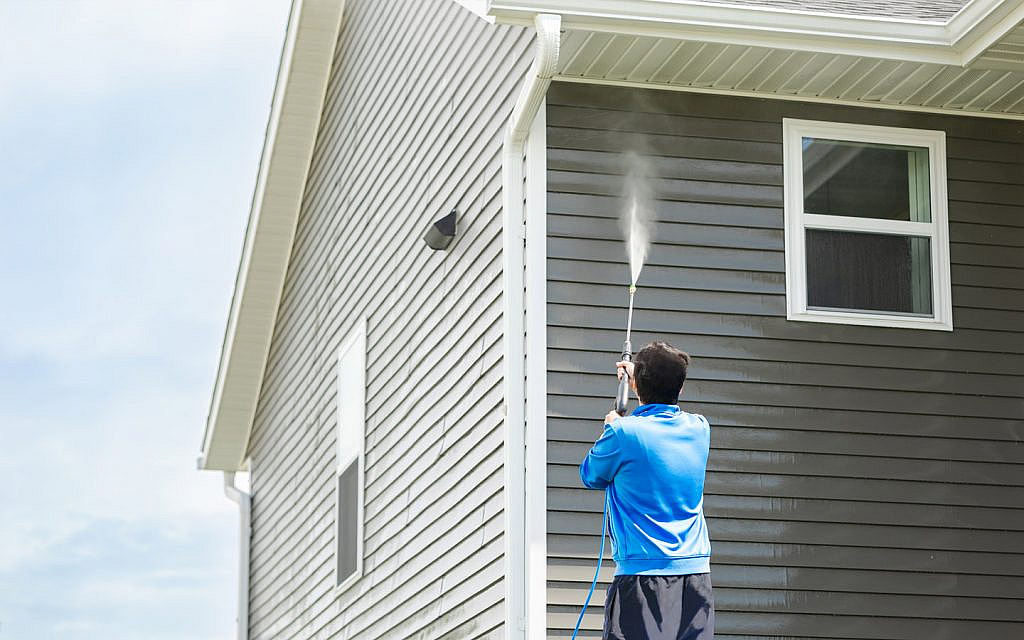
One of the biggest mistakes in house painting is rushing past the surface preparation stage. Painting over dirty or uneven walls is among the known reasons for peeling and uneven finishes. Even premium paint will not adhere properly if the surface isn’t ready. Before starting, make sure to:
- Wipe walls clean to remove dust, grease and dirt.
- Repair cracks and holes, particularly in areas prone to structural expansion.
- Sand rough patches to achieve a smooth surface.
- Apply a primer coat to help the paint stick better and last longer.
Choosing the Wrong Paint Type and Finish
The UAE’s extreme climate demands careful paint selection. Using the wrong type of paint can result in fading, blistering or cracking under intense sunlight and temperature swings. For better results, opt for:
- Exterior walls: Always use UV-resistant, weatherproof paints that can handle direct sunlight and occasional sandstorms.
- Interior walls: Low-VOC and washable paints are ideal, especially for family homes.
- Kitchens and bathrooms: Select mould- and moisture-resistant finishes to prevent peeling and mildew growth.
- High-traffic areas: Durable, scrubbable paints help maintain walls in corridors, stairways and living rooms.
- Small rooms: Use lighter shades such as whites, soft browns, or bright colours to create the illusion of bigger rooms.
Ignoring the Importance of Primer
Skipping or incorrectly applying a primer can drastically reduce the lifespan and look of your paintwork. Primer provides better adhesion, seals porous surfaces and prevents stains from bleeding through the new paint. In the UAE, where humidity levels can vary, primers also help combat moisture-related issues. Make sure to:

- Use a primer compatible with your chosen paint.
- Apply primer on unpainted surfaces, repaired patches and raw drywall.
- Allow sufficient drying time before painting.
Ignoring the Climate and Wrong Timing
In the UAE, timing your painting project is crucial. Extremely high temperatures, direct sunlight or windy, dusty days negatively impact drying times and finish quality. Painting when the temperature exceeds 40°C can cause paint to dry too fast, leading to cracking or blistering. Always aim to:
- Paint early in the morning or late afternoon during cooler hours.
- Avoid painting on windy or dusty days to prevent debris from sticking.
- Consider scheduling outdoor painting during the milder winter months for best results.
Overloading or Skimping on Paint Application
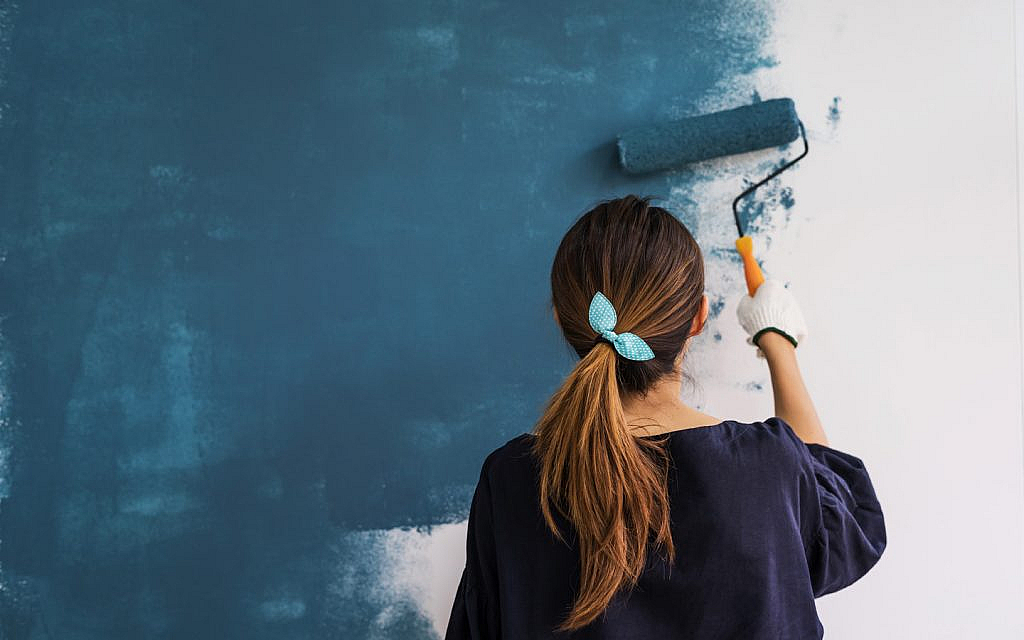
Applying too much paint at once can cause drips, runs and uneven layers, while applying too little results in patchy coverage and frequent repainting. For a professional finish, follow manufacturer guidelines on:
- Recommended number of coats (usually two).
- Proper drying times between coats.
- Using the right tools, for instance, quality brushes and rollers suited to the paint and surface.
Underestimating Paint Quantity
Running out of paint halfway through a wall is frustrating. Buying more later can result in a slightly different shade, even if it’s the same type of house paint and colour. To avoid this:
- Measure wall areas carefully and calculate coverage as per the paint manufacturer’s guide.
- Factor in additional coats for darker colours or textured walls.
- Always purchase extra paint for future touch-ups and small repairs.
Using Low-Quality Tools
Even high-quality paints won’t look good if applied with poor brushes or rollers. Cheap tools leave streaks, clumps and uneven layers. To avoid this:
- Use high-grade brushes for cutting edges and corners.
- Select rollers with the right nap length, shorter naps for smooth walls and longer naps for textured surfaces.
- Keep painter’s tape handy for crisp, sharp lines.
- Invest in drop cloths to protect furniture and floors.
Skipping a Test Patch
Not doing a patch test is among the most common house painting mistakes to avoid. Paint colours often look different on the wall compared to the colour cards in a store. Lighting conditions can also alter shades throughout the day. To avoid disappointment:
- Test a small patch of paint on different walls.
- Observe it under both natural daylight and indoor lighting.
- Consider how the colour interacts with your furniture and flooring.
Testing before committing ensures you’ll be satisfied with the final look.
Not Hiring Experienced Professionals

While DIY painting may seem cost-effective, poor techniques and equipment can lead to costly repairs and repainting. Hiring trusted and experienced house painting services in Dubai who understand the local climate will ensure:
- Use of premium materials suitable for UAE conditions.
- Expert preparation and application.
- Timely project completion with warranty and support.
FAQs
How do I avoid streaks and roller marks when painting?
Use a quality roller, apply even pressure and keep a wet edge while painting. Avoid overloading or underloading the roller with paint.
What happens if I paint on a dirty or damp wall?
Dirt prevents paint from sticking, while dampness causes bubbling, peeling and mould growth. Always clean and dry walls before painting.
Why does paint peel or bubble after application?
This happens when the surface isn’t prepared properly, the wall is damp or the paint is applied too thickly or in extreme weather conditions.
What should I do to prepare surfaces before painting?
Clean the walls, repair any cracks, sand rough patches and apply primer as needed. Proper preparation ensures smooth and long-lasting results.
A fresh paint job can transform a home, but only if done correctly. By avoiding common mistakes, you can achieve professional results. A carefully planned project not only improves your living space but also boosts the long-term value of your property.
Moreover, go through these paint preservation tips to ensure your place remains in top-notch condition for years to come. Many properties across the UAE are architectural spectacles and come with the finest paint finishes. However, if you plan to paint a rented apartment in the UAE, ensure you obtain the landlord’s permission to avoid any conflicts.
Stay tuned to dubizzle’s property blog for more home painting ideas and expert home improvement tips.
![It’s live!
TruEstimate™ Alerts are now on dubizzle.
Get monthly updates on your property’s estimated market value, straight to your inbox.
Stay informed. Stay ahead. Explore TruEstimate™ Alerts via the link in bio!
ابقَ على اطلاع بقيمة عقارك.
تنبيهات TruEstimate™ متاحة الآن على دوبيزل، لتصلك تحديثات شهرية حول القيمة التقديرية لعقارك مباشرةً إلى بريدك الإلكتروني.
ابقَ على اطلاع، واكتشف تنبيهات TruEstimate™ عبر الرابط في البايو!
[dubizzle UAE, dubizzle Dubai, Real estate, buy and sell UAE, Property]](https://www.dubizzle.com/blog/property/wp-content/plugins/instagram-feed/img/placeholder.png)