
Understanding Abu Dhabi rental laws is essential for both landlords and tenants to ensure compliance and avoid disputes. Factual answers to common questions about Abu Dhabi tenancy laws can help clear confusion and ensure a smooth experience for all stakeholders.
Questions About Abu Dhabi Tenancy Laws
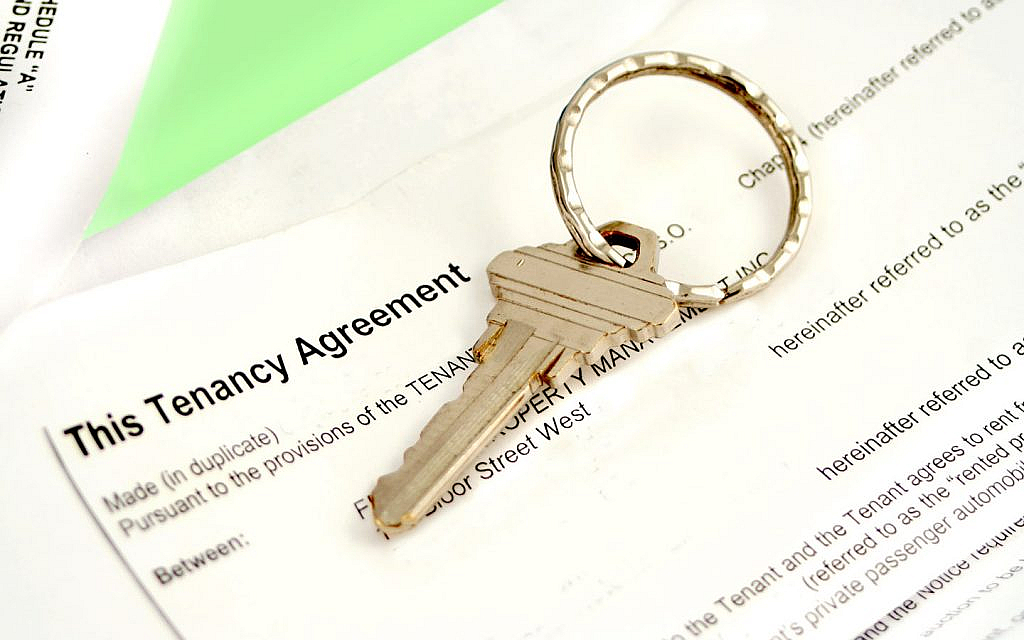
Some common queries about Abu Dhabi tenancy laws and their fact-based answers are:
What types of properties are covered under tenancy laws in Abu Dhabi?
Tenancy laws in Abu Dhabi apply to residential, commercial, industrial and professional properties, including all existing and new rental agreements. However, exemptions include:
- Agricultural land
- Government-owned residential properties
- ADNOC-related service properties
- Hotels and furnished apartments
- Employer-provided housing
Are written tenancy contracts mandatory?
Yes. Under Abu Dhabi tenancy contract rules, all tenancy agreements must be in writing. They are registered under the Tawtheeq system. If no written contract exists, tenants can still prove tenancy terms using other legal evidence.
How is rent determined if not specified in the contract?
If rent is not agreed upon or cannot be proven, a ‘similar rent’ is applied. This is determined by the Rental Disputes Committee under Abu Dhabi landlord-tenant regulations.
Can landlords increase rent?
Yes, but with restrictions under rent laws in Abu Dhabi:

- Maximum increase: 5% per year
- Increase allowed only once annually
- Tenants can file a complaint if this limit is exceeded
What are the landlord’s responsibilities?
Under residential and commercial tenancy laws in Abu Dhabi, landlords must:
- Deliver the property in usable condition
- Carry out major (necessary) repairs
- Maintain the property during the lease
What are the tenant’s responsibilities?
Tenants must:
- Fulfil all the document requirements for renting a property in Abu Dhabi
- Pay rent on time (within 21 days for residential, 30 days for commercial unless agreed otherwise)
- Use the property as agreed
- Handle minor (rental) repairs
- Pay utility bills and damages
What happens if the landlord fails to carry out repairs?
If the landlord does not act after notice:
- The tenant may seek approval from the committee
- Carry out repairs and deduct costs from rent
- This falls under Abu Dhabi rental dispute regulations
Can tenants sublet the property?
No, unless written permission is obtained from the landlord. Unauthorised subletting is a valid ground for eviction under Abu Dhabi landlord-tenant regulations.
What are the notice periods for terminating or amending a lease?
According to Abu Dhabi tenancy contract rules, a 2-month notice is required for residential properties and a 3-month notice for commercial properties.
When can a landlord evict a tenant?

Eviction is allowed only under specific conditions defined in the rent laws in Abu Dhabi, such as:
- Non-payment of rent
- Unauthorised subletting
- Misuse of property
- Overcrowding
- Property demolition or redevelopment
- Landlord’s personal use (with conditions)
To terminate a tenancy contract early in Abu Dhabi, certain terms and conditions must be met.
What happens if the tenant stays after the lease expires?
If the tenant remains and the landlord does not object, the lease is automatically renewed under the same terms.
What are the rules regarding rent payment disputes?
If the landlord refuses to accept rent:
- The tenant can deposit rent with the Rental Disputes Committee
- This acts as legal proof of payment
How are rental disputes resolved?
Disputes are handled by:
- Rental Disputes Committee
- Appeal Committee
- Cassation Committee
Under Abu Dhabi rental dispute regulations, these bodies:
- Resolve disputes
- Enforce tenancy laws
- Issue binding decisions
Are tenancy law updates in Abu Dhabi possible?
Yes. The Executive Council may:
- Amend rent increase caps
- Issue new regulations
- Introduce procedural updates
Both tenants and landlords must keep up with the tenancy law updates in Abu Dhabi for legal compliance.
What happens when ownership of a property changes?
If ownership is transferred:
- The tenancy contract remains valid
- The new landlord must honour existing terms
What happens if either the landlord or tenant dies?
The tenancy contract continues until expiry. However, heirs may request termination under Abu Dhabi tenancy laws.
The answers to some common questions about Abu Dhabi tenancy laws discuss the framework governing rental relationships, covering rent caps, eviction rules, dispute resolution and contractual obligations. When dealing with rental properties in Abu Dhabi, all stakeholders must comply with these provisions for legal protection and to avoid penalties.
Stay connected to the UAE’s leading property blog for more updates on real estate laws and regulations.