- What is Zigzag Gear Shifter
- What is Straight Gear Shifter
- Zigzag Gear Shift vs Straight Gear Shift
- Which Transmission Uses Each Shifter
- Which One is Better
- FAQs
When choosing a car, the gear shifter is one of the most overlooked yet distinctive design features. The gear shifter allows drivers to change gears, enabling smooth acceleration and deceleration. But did you know that not all gear shifters are the same? Two common types are the zigzag gear shift vs straight gear shifter. Both serve the same purpose but differ in design and functionality. Let’s take a deeper look at these two types of gear shifters to help you understand their differences and which one might suit your driving style.
What is a Zigzag Gear Shifter
The Zigzag gear shifter, also known as an ‘H-pattern’ shifter or ‘dog-leg’ shifter, is characterised by its distinctive zigzag motion. This type of gear shifter is typically used in sports cars, performance vehicles and older manual transmission cars. The H-pattern is designed in a way that the driver must push the lever in a zigzag or cross pattern to switch between gears.
Pros of the Zigzag Gear Shifter
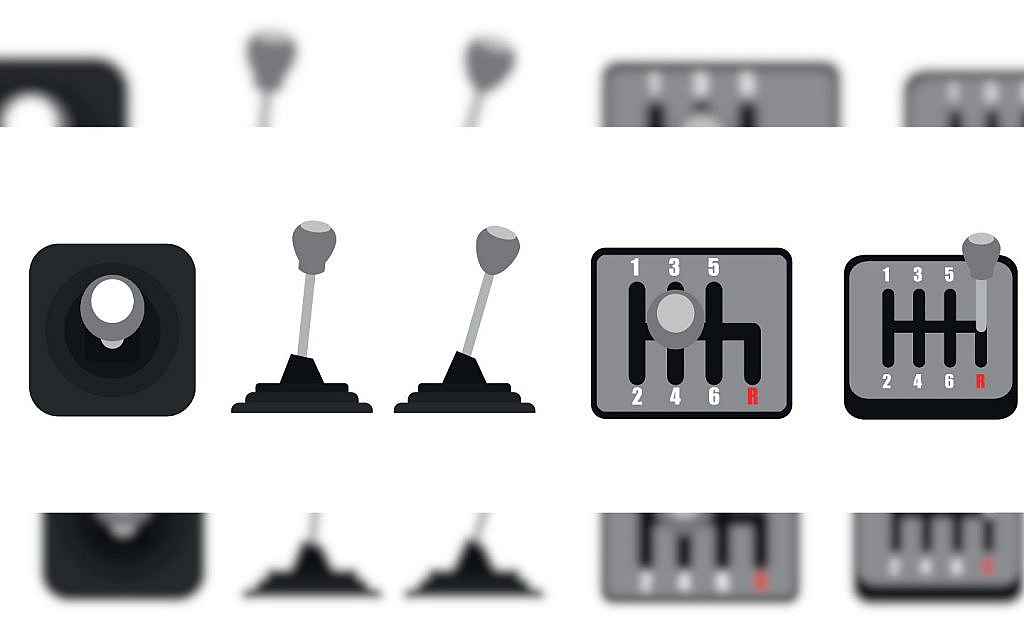
- Ease of Use: One of the advantages of zigzag gear shifters is their intuitive design. Drivers can easily distinguish the different gear positions because of the clear, distinct movements needed to shift. It’s particularly useful in preventing the driver from accidentally selecting the wrong gear, such as shifting from ‘Drive’ to ‘Reverse.’
- Space-Saving Design: The zigzag pattern often helps conserve interior space in the car’s centre console. Since the shifter moves in a compact zigzag, it doesn’t require as much horizontal space as some straight shifters. This can allow for a more spacious feel in the driver’s area.
- Enhanced Safety: Because of the deliberate movements required to shift between gears, a zigzag shifter often reduces the chances of mistakenly moving the car into an unintended gear, like ‘Reverse’ when driving forward. This can add a level of security, especially for new drivers.
- Modern Aesthetic: The zigzag shifter is a classic and modern design, often associated with older models of automatic cars. Its traditional look is often preferred by those seeking a more familiar or vintage-style driving experience.
Cons of the Zigzag Gear Shifter
- Learning Curve: Drivers unfamiliar with this design may take time to adapt to the patterned shifting. This can be initially counterintuitive.
- Less Smooth Transitions: The zigzag design requires a back-and-forth motion, which can sometimes feel less fluid than other designs. This can be a minor inconvenience for drivers who prefer smoother, quicker shifts.
- Complex Movement: For some drivers, especially those used to a straight gear shifter, the zigzag motion can feel less natural. The additional horizontal movement can sometimes make the transition feel less intuitive.
What is a Straight Gear Shifter
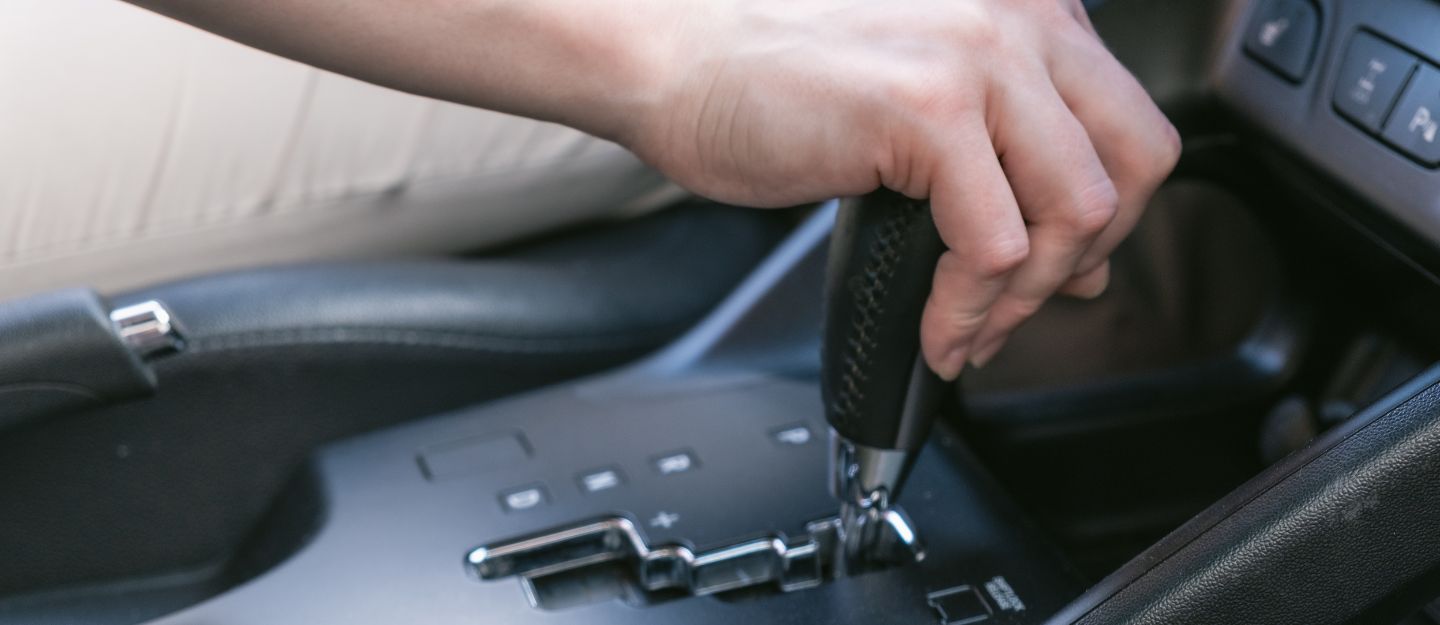
The straight gear shifter is a more straightforward, linear design where the gear lever moves up or down in a straight line to engage each gear. This design is more common in modern vehicles, particularly in compact cars and daily drivers, though it can also be found in some performance vehicles.

Pros of the Straight Gear Shifter
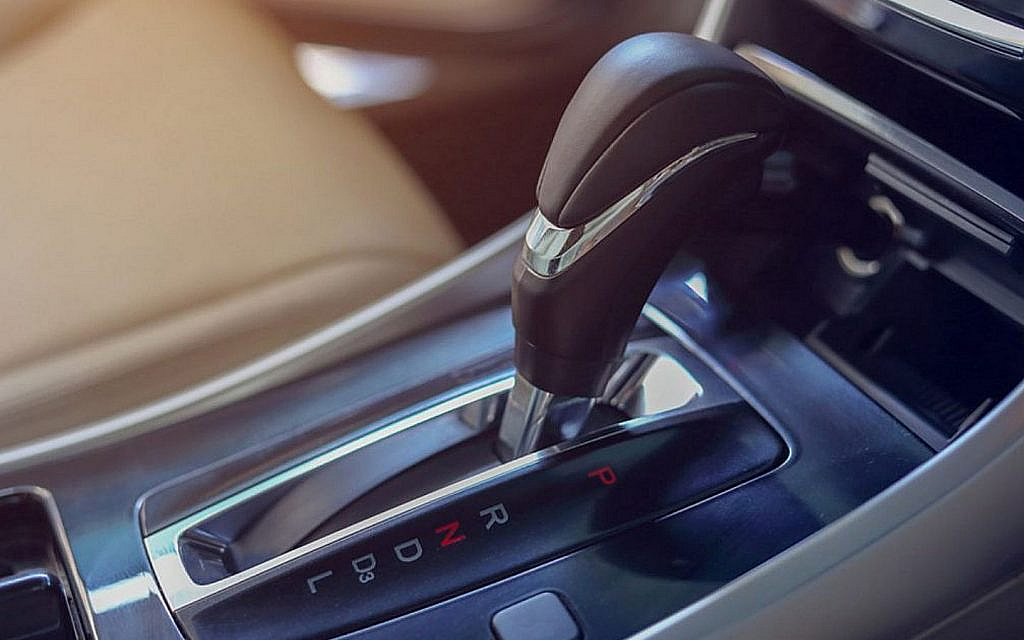
- Simplicity and Precision: A straight gear shifter offers a simple, straightforward motion from one gear to the next. Because there’s no zigzag pattern, shifting feels more direct, with fewer motions involved. This can be an appealing feature for drivers who prefer simplicity.
- Smooth and Quick Transitions: The straight gear shifter offers smoother transitions between gears, which can be more satisfying and less distracting for the driver. This is especially important for those who enjoy fast, effortless driving, as the direct linear motion allows for quicker shifts between ‘Drive,’ ‘Park’ and ‘Reverse.’ If your car won’t shift from park mode, there might be a transmission failure or other issues.
- Simpler Design: This also translates to lower production costs and fewer mechanical parts, reducing the likelihood of mechanical failure over time.
- Faster Shifting: The lack of a guided track allows for quicker gear changes, which can be advantageous in performance or racing contexts.
Cons of the Straight Gear Shifter
- Risk of Confusion: The straight gear shifter can sometimes be a bit too minimalist, making it harder for drivers to feel where each gear position is located. This can increase the likelihood of shifting into the wrong gear, particularly for newer drivers.
- Potential for Accidental Shifting: The simplicity of the straight gear shift might also make it more prone to accidental shifts, particularly if the lever is moved unintentionally. For instance, without a clear tactile feedback mechanism, a driver might mistakenly shift from ‘Drive’ to ‘Neutral’ during driving.
- Less Engaging for Performance: In performance driving, the straight shifter might not provide the same level of feedback and satisfaction that the zigzag pattern offers.
Key Differences: Zigzag vs Straight Gear Shifter
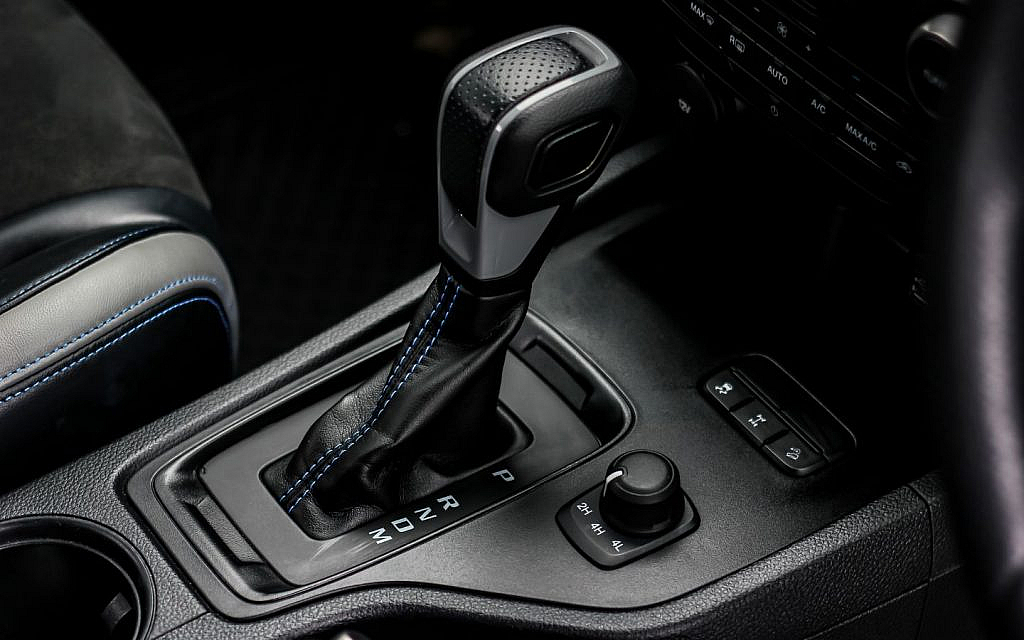
Here are the key differences between zigzag and straight gear shifters:
| Feature | Zigzag Gear Shifter | Straight Gear Shifter |
| Movement Design | Back-and-forth zigzag pattern | Linear, straightforward motion |
| Ease of Use | Intuitive with distinct gear positions | Simple, direct shifts with fewer movements required |
| Smoothness of Transition | Less smooth due to back-and-forth movement | Smoother and quicker shifts |
| Safety | Reduced chances of accidental gear shifting | Higher chance of accidental shifting, especially if too subtle |
| Space Efficiency | Compact, space-saving design | Efficient in some models but may require more console space |
| Aesthetic Appeal | Classic, vintage look | Modern, sleek design |
Which Transmission Each Shifter: Zigzag vs Straight Gear Shifters
- Zigzag Gear Shifters: These are predominantly found in automatic transmission, where precision in selecting drive modes (e.g., Park, Reverse, Neutral, Drive) is critical. Vehicles such as the Lexus RX and Toyota Land Cruiser commonly feature zigzag gear shifters, emphasising their safety and premium appeal.
- Straight Gear Shifters: These are more prevalent in manual transmissions, where speed and simplicity are paramount. However, they are also used in some automatic vehicles, such as the Honda Civic and Mazda 3, where the focus is on driver convenience and efficiency.
Which One is Better: Zigzag Gear Shifter vs Straight Gear Shifter
Choosing between a zigzag gear shift vs straight gear shifter largely depends on your driving style, preferences and the type of vehicle you drive.
- For Performance Enthusiasts: If you’re someone who enjoys high-performance vehicles or you’re into motorsports, the zigzag gear shifter will likely provide a more satisfying and precise driving experience. The H-pattern design is a classic, often used in race cars for quick and precise shifts. Car gear can get stuck in neutral due to damaged or worn gear shifter cables. This happens in both automatic and neutral transmissions.
- For Casual or Beginner Drivers: If you’re driving a daily commuter or you’re new to manual transmissions, the straight gear shifter might be more suitable. It also offers a more straightforward and intuitive experience, reducing the chances of making shifting mistakes.
- For Everyday Use: For those who drive on city roads or in heavy traffic, the straight gear shifter offers comfort and convenience. The less complicated movement can be easier to navigate when shifting in stop-and-go traffic.
That said, choose a zigzag gear shifter if you appreciate a more traditional and tactile design that offers extra security and is intuitive for most drivers, especially in older or more classic cars. Moreover, choose a straight gear shifter if you prefer a simpler, smoother and more modern design, offering quick transitions and a minimalist look.
FAQs
Which gear is the fastest in automatic?
The highest gear (e.g., 5th or 6th gear in a 6-speed automatic) is usually the fastest, designed for maximum speed and efficiency.
How do I choose automatic gears?
Use the gear selector for modes like Drive (D) for forward movement, Reverse (R) to back up and Neutral (N) for idling. For specific needs, refer to your vehicle’s manual.
Why do some cars have two shifters?
Some vehicles, particularly off-road or specialised models, have an additional shifter for selecting low-range gears or terrain modes.
What is the -/+ on my shift gear for?
The -/+ allows you to change car gear manually in automatic transmissions, letting you shift up (+) or down (-) gears for better control in specific driving situations. To know more, read our guide on all about automatic gear shift levers, explaining the numbers or alphabet written on it.
Both zigzag gear shift vs straight gear shifter have their unique qualities and choosing between the two depends on your driving preferences and the type of car you own. Whether you prefer the intricate, performance-oriented design of the zigzag shifter or the user-friendly simplicity of the straight shifter, understanding the differences can help you make an informed decision and enhance your driving experience.
If you are looking for used cars for sale in the UAE with any of these gear types, check out the listings here. You can also buy new cars in the UAE here that come with advanced features and innovative technology to make your driving experience better.
Stay tuned to the dubizzle’s auto blog to learn more about the latest car parts.
Related Posts