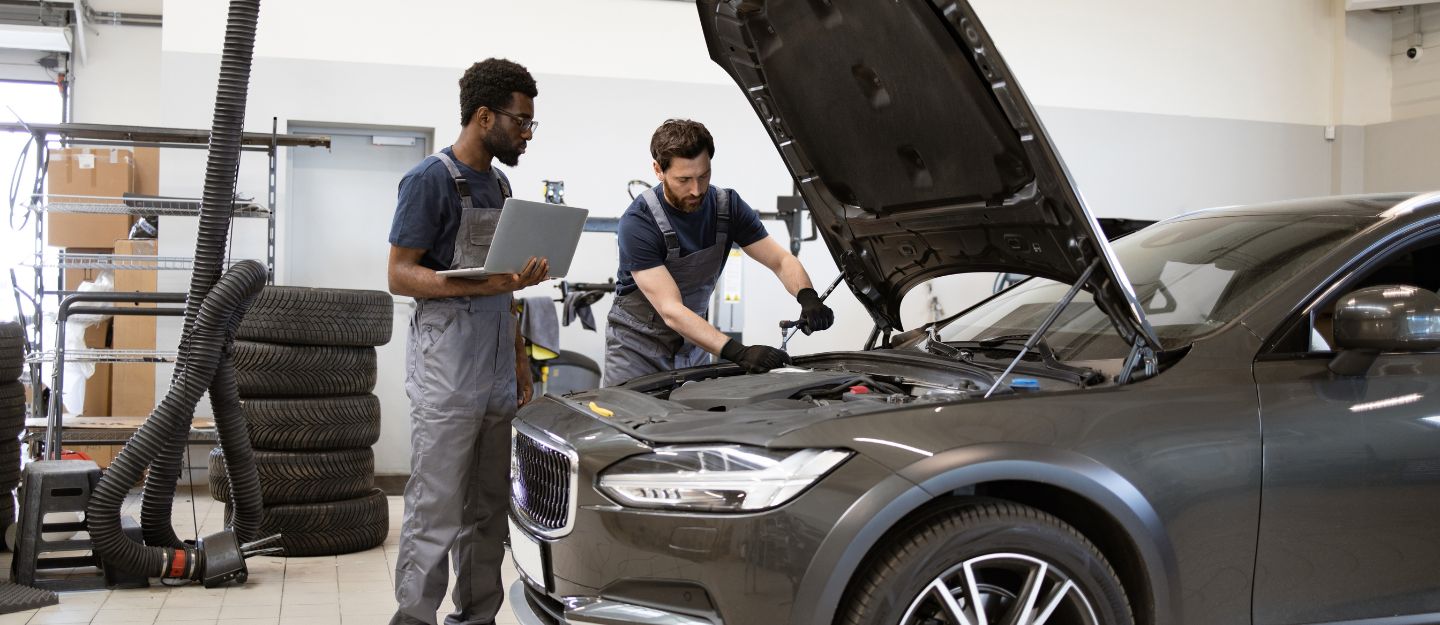
Annual vehicle registration renewal is an essential responsibility of all drivers. It also provides them with an opportunity to ensure that their vehicle meets the necessary safety standards. Safety inspections protect drivers and everyone on the road by detecting and addressing potential hazards.
Car inspection may seem daunting, but most issues that lead to failure are easily avoidable with regular maintenance and attention to detail. Let’s look at some of the top reasons why cars fail annual inspections in the UAE and offer solutions to keep your vehicle road-ready.
Reasons for Car Inspection Failure in the UAE
Understanding the car inspection failure causes in the UAE is essential to ensure your vehicle remains safe, compliant and roadworthy. Furthermore, it allows drivers to take necessary steps to address these issues in advance. Inspection services by dubizzle Cars can help you detect issues early, allowing you to make repairs before the final inspection. Now, let’s look at some of the common reasons cars fail annual inspection in the UAE:
Malfunctioning or Burnt-Out Bulbs
Burnt-out bulbs are one of the most common car inspection failure issues in the UAE. Although the widespread adoption of LED lighting has reduced the instances of burnt-out bulbs, drivers should still pay attention to their vehicle’s lighting. All the lights on the vehicle must be functional to pass the inspection, including:

- Headlights
- Brake Lights
- Turn Signals
- Reverse Lights
- License Plate Lights
Malfunctioning headlights are often caused by burnt-out bulbs. This issue can be resolved by simply replacing the headlight bulbs. On the other hand, modern vehicles with LED lights require advanced diagnostics and a qualified mechanic to solve the problem. Ensuring all lights are functional is integral for passing the car safety inspection.
Low Tyre Tread or Irregular Wear Patterns
Tyre tread patterns play an important role in maintaining vehicle safety. This is because their tread helps support the vehicle’s braking, steering and overall handling. Tyres with irregular wear patterns and inadequate tread depth can compromise the driver’s ability to control the car.
Besides posing significant safety risks, tyres with low tread depth or visible damage, such as bulges and knots, contribute to inspection failure. The tyre tread depth must meet the legal minimum to pass the inspection without hassle. It is important to check your car’s tyres with a mechanic to ensure optimal road performance and enhanced safety.
Worn Brake Pads
Brakes are a crucial vehicle component, directly impacting the overall driving experience. They are closely scrutinised during inspection, considering their pivotal role while driving. Unless you drive a hybrid or electric vehicle fitted with regenerative braking systems, your car will have routine maintenance for its traditional braking system.
One of the most common issues detected during inspection is worn-out brake pads. The brake pad thickness should align with the standards set by the inspection company. Replacing the worn brake pads with new ones will promptly solve this problem.
Damaged Windshield Wipers
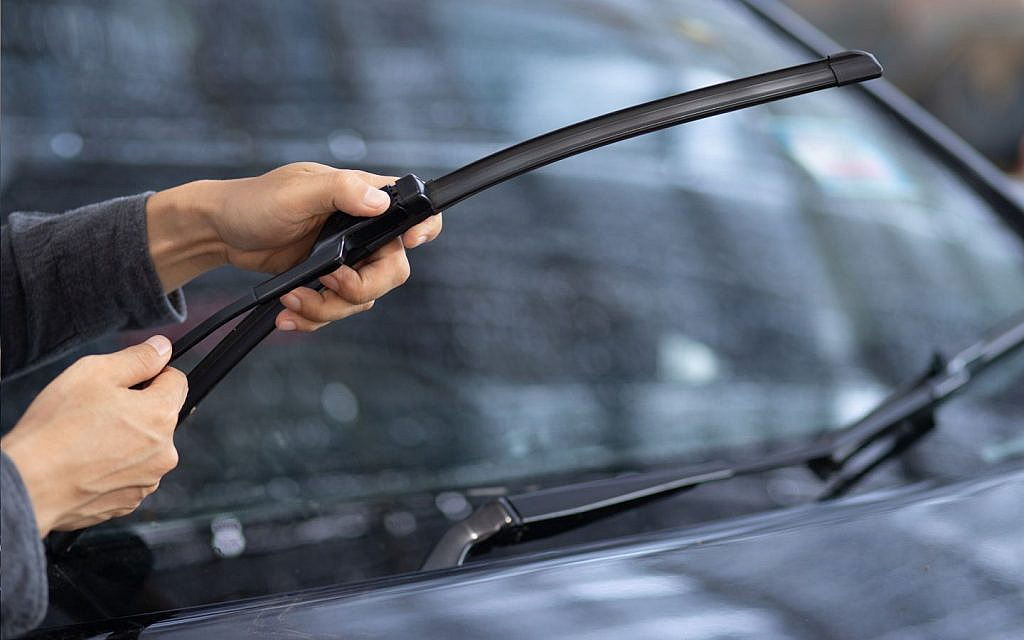
Visibility is the key to safe driving and functional car windshield wipers are crucial for this. Damaged or worn-out wipers may obstruct your view and result in a failed inspection.
Rubber blades deteriorate over time due to prolonged exposure to the elements, causing streaks, inconsistent windshield contact and reduced effectiveness. To pass the vehicle inspection test, the windshield wipers must function appropriately to provide a clean and unobstructed view.
FAQs
What is the purpose of a vehicle safety inspection?
Safety inspections ensure that the vehicle complies with baseline safety standards, safeguarding drivers and other road users.
What happens if my car fails the safety inspection?
When a car fails inspection, you’ll get a breakdown of required repairs. Once the problems are addressed, you can schedule a re-inspection.
Will uneven tyre wear cause inspection failure?
Yes, uneven tyre wear or damage such as bulges, knots or significant wear can lead to inspection failure.
The annual safety inspection is important to verify that your vehicle meets the necessary legal and safety criteria. Common reasons for car inspection failure in the UAE include burnt-out bulbs, worn tyres, faulty brakes and damaged wipers. Regular maintenance of the vehicle can help pass inspection. Before the official inspection, schedule a check-up with a reliable mechanic to ensure your vehicle is in top condition.
If your vehicle experiences frequent issues despite regular maintenance, it may be time to consider upgrading to a new car. Here are some used cars for sale in the UAE to help you with your vehicle search. For brand new vehicles, explore these new cars for sale in the UAE.
Stay tuned to dubizzle’s auto blog for more information on car inspections.
Related Posts