A smooth and responsive clutch is necessary to have a seamless driving experience. A stiff clutch pedal can cause potential damage to the overall transmission.
Understanding the causes of a stiff clutch is necessary for proper maintenance and repair. Common causes include clutch cable issues, hydraulic system issues, misaligned linkage or worn clutch components.
Let’s learn more about the common causes of a stiff clutch pedal and how to diagnose and fix the problem.
Common Stiff Clutch Pedal Causes and Solutions
Here are six common reasons that can cause a stiff clutch and their solutions:
Hydraulic System Problems
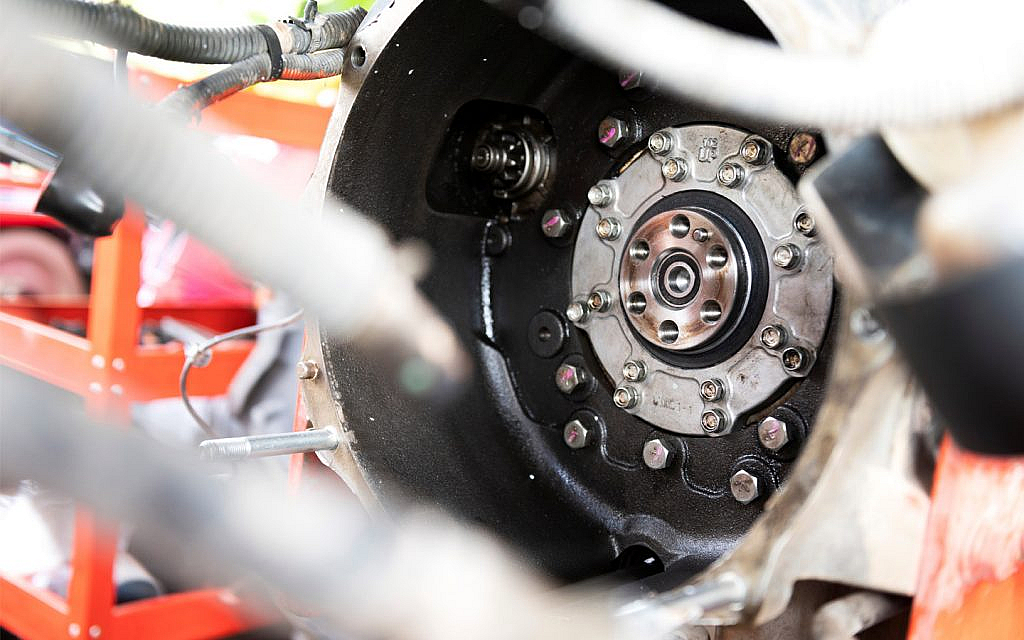
The clutch hydraulic system maintains smooth operation. It consists of the clutch master cylinder, slave cylinder and hydraulic lines. If there is a leak in the system or if the fluid level is low, the pressure needed to disengage the clutch won’t be sufficient, causing the pedal to feel stiff. Air trapped in the hydraulic lines can also lead to a spongy or stiff clutch pedal.
Solution: Regularly checking and maintaining the hydraulic system can prevent such issues. Even if your car clutch breaks, you can still drive a manual transmission car with a broken clutch.

Worn Clutch Components
Over time, the components of a multi-plate clutch system such as the clutch disc, pressure plate and release bearing can wear out. A worn clutch disc can cause uneven engagement, while a damaged pressure plate can fail to release properly. Both of these can result in a stiff pedal.
Moreover, keeping the clutch pedal partially pressed can also wear out some components before time. The release bearing can also become worn and make the clutch pedal hard to press.
Solution: Replace the worn clutch disc, pressure plate, and release bearing to ensure a smooth clutch pedal. Avoid riding the clutch pedal to prevent premature wear.
Clutch Cable Issues
The clutch cable in manual cars can become stretched, frayed or kinked over time. This can increase the resistance when pressing the clutch pedal, making it feel stiff. Additionally, improper cable adjustment can cause similar issues.
Solution: Regular inspection and adjustment or replacement of the clutch cable can help maintain smooth pedal operation.
Faulty Clutch Fork
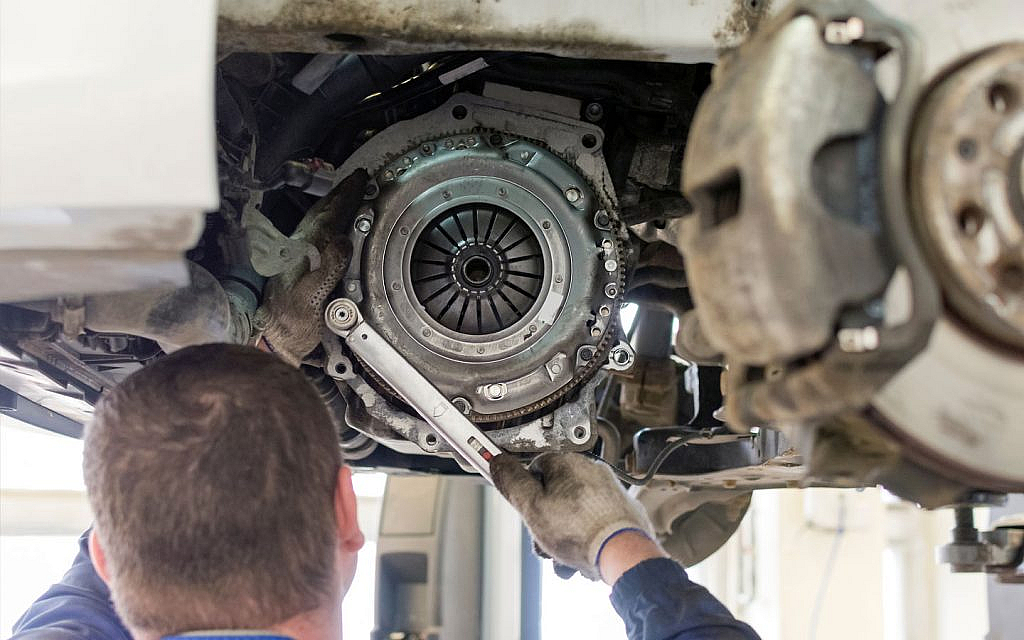
The clutch fork is a lever that helps disengage the clutch when you press the pedal. A bent or damaged fork can be one of the reasons why clutch feels stiff. In some cases, the pivot points of the fork can also wear out, causing increased resistance.
Solution: Replace a bent or damaged clutch fork and inspect its pivot points for wear. Proper maintenance ensures smooth clutch operation and reduces stiffness.
Contaminated Clutch Components
Clutch components can become contaminated with oil, grease or other fluids. This contamination can cause them to stick and not move as freely as they should.
When clutch components are contaminated, they may not disengage smoothly, which is a bad car clutch sign. Identifying and fixing the source of the leak and cleaning or replacing the affected components will make the clutch softer again.
Solution: Make sure that there is no oil leakage around the clutch components. Clean or change the clutch components that get contaminated.
Improper Gear Shifting

Knowing the correct techniques for changing gears in a manual car ensures smooth gear shifts and prevents stalling, improving your overall driving experience. On the other hand, improper shifting can damage clutch components and cause a stiff clutch.
Solution: Mastering correct gear-shifting techniques in a manual car ensures smooth shifts, prevents stalling, and avoids clutch damage that can cause stiffness.
FAQs
How Can I Tell If My Clutch Pedal Is Too Stiff?
If you feel increased resistance while pressing the clutch and changing gears, this means that your clutch pedal has gone stiff and needs to be repaired.
Can Driving With a Stiff Clutch Cause Any Additional Damage To My Vehicle?
Yes, driving with a stiff clutch can damage the moving parts of your transmission and cause costly repairs.
What Maintenance Step Should I Take To Prevent a Stiff Clutch Pedal
Regularly check and maintain the clutch hydraulic system. Also, ensure that the fluid levels are up to the mark and there are no leaks. Inspect and replace worn clutch components, such as the clutch disc, pressure plate and release bearing.
Common causes of stiff clutch pedals can be various malfunctions in the car transmission system. To maintain smooth clutch operation, keep a check on the transmission parts and maintain them periodically. If the clutch starts feeling stiff, immediately consult an expert technician to get it fixed at the earliest.
If you find yourself dealing with a stiff clutch pedal, it might be time to consider new cars for sale in the UAE and upgrade your vehicle.
For more information on how to fix stiff clutch pedal, keep visiting dubizzle cars blog.
Related Posts