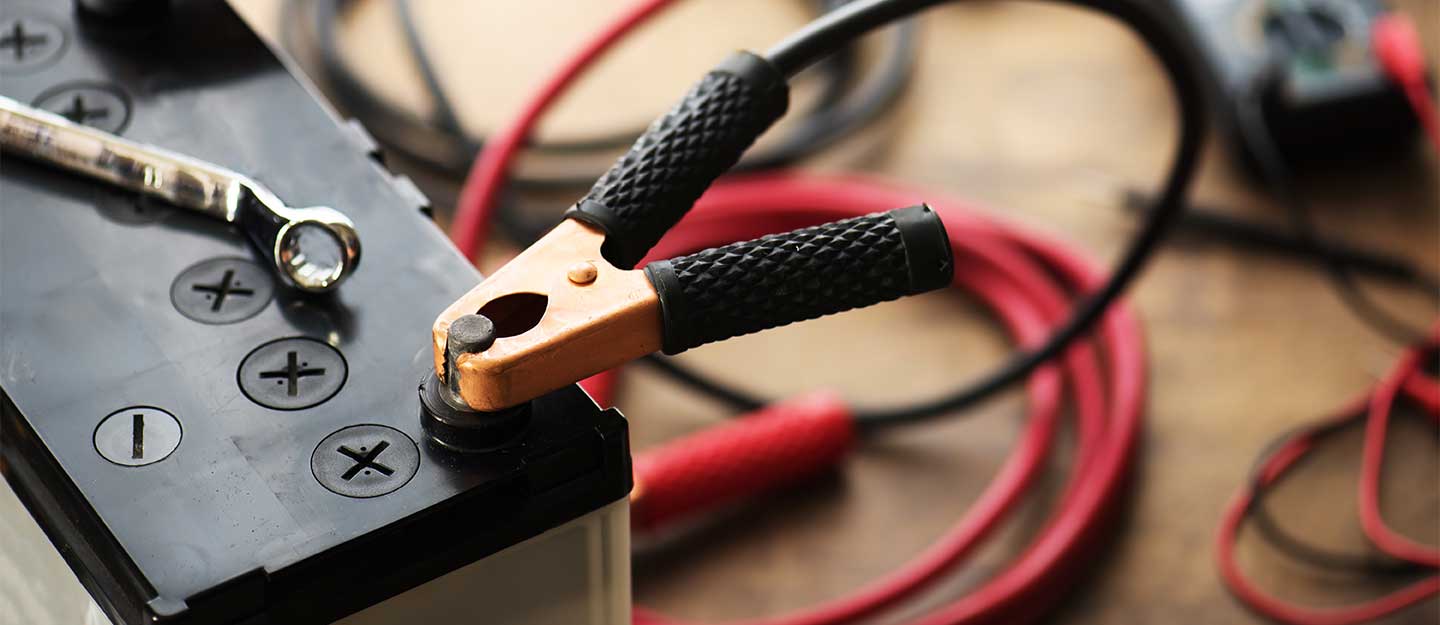
Car batteries are the lifeblood of your vehicle’s electrical system, providing the power necessary to start the engine and operate electronic accessories. However, batteries can sometimes become discharged due to various reasons, leaving you in a bind. Knowing how to charge a car battery safely is essential for any driver. Let’s get into more details and find the various ways to charge a car battery safely, the tools you’ll need and important safety tips.
Five Ways to Charge a Car Battery Safely
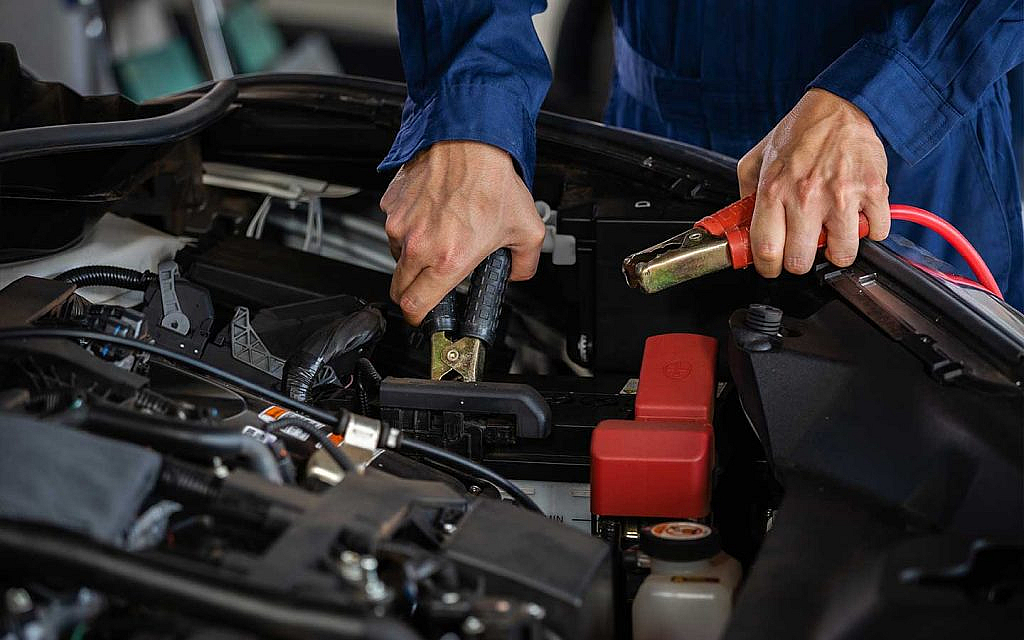
There are several ways to charge a car battery safely and effectively.
Method 1: Using a Battery Charger
One of the fastest ways to charge a car battery is by using a battery charger. Battery chargers are designed to recharge car batteries safely and efficiently. Moreover, they come in various types, including trickle charge battery chargers, smart chargers and manual chargers.
Step 1: Safety First
Wear protective gear such as gloves and goggles. Also, ensure you are in a well-ventilated area to avoid inhaling harmful gases.
Step 2: Turn Off the Car
Ensure the car’s ignition is off to prevent electrical issues. You can also use these tips to deal with electronic issues after replacing the car’s battery.
Step 3: Disconnect the Battery
Remove the negative cable first (usually black) to avoid car short circuit, then the positive cable (usually red).
Step 4: Connect the Charger
- Attach the positive (red) clamp to the positive terminal of the battery.
- Attach the negative (black) clamp to the negative terminal or a metal part of the car chassis away from the battery.
Step 5: Set the Charger
Select the appropriate voltage and current settings. Also, for most car batteries, a 12-volt charger with a setting of 2-10 amps is ideal. Use a lower setting for a slower, safer charge.
Step 6: Turn On the Charger
Plug in the charger and turn it on. Some chargers are automatic and will shut off when the battery is fully charged.
Step 7: Monitor the Charging Process
Check the charger periodically to ensure everything is functioning correctly. Also, avoid overcharging by using a smart charger with an automatic shutoff feature.

Step 8: Disconnect and Reconnect the Charger
Once the battery is fully charged, turn off the charger and unplug it. Now Attach the positive cable first, then the negative cable.
Method 2: Jump Starting with Another Car
Jump starting is a quick way to get a car running if the battery is dead, using another vehicle’s battery. It is also considered one of the best ways to deal with a dead car battery.
Step 1: Safety First
Wear protective gear. Ensure both cars are turned off.
Step 2: Park the Cars
Position the working car close to the dead car, ensuring the jumper cables can reach both batteries while preventing any contact between the vehicles.
Step 3: Connect the Jumper Cables
- Attach the positive end of the red jumper cable to the positive terminal of the dead battery.
- Connect the other end of the red cable to the positive terminal of the working battery.
- Attach the negative end of the black jumper cable to the negative terminal of the working battery.
- Connect the other end of the black jumper cable to a metal part of the dead car’s engine block or chassis, away from the battery.
Step 4: Start the Working Car
Let it run for a few minutes to transfer some charge to the dead battery.
Step 5: Start the Dead Car
Attempt to start the car with the dead battery. If it starts, let both cars run for a few minutes to stabilise the charge.
Step 6: Disconnect the Cables
Remove the cables in reverse order. First the black cable from the dead car, then the black cable from the working car. This is followed by the red cable from the working car and finally the red cable from the dead car.
Step 7: Keep the Car Running
After the car starts, let it run for at least 20-30 minutes to ensure the battery gets a sufficient charge.
Method 3: Using a Portable Battery Booster
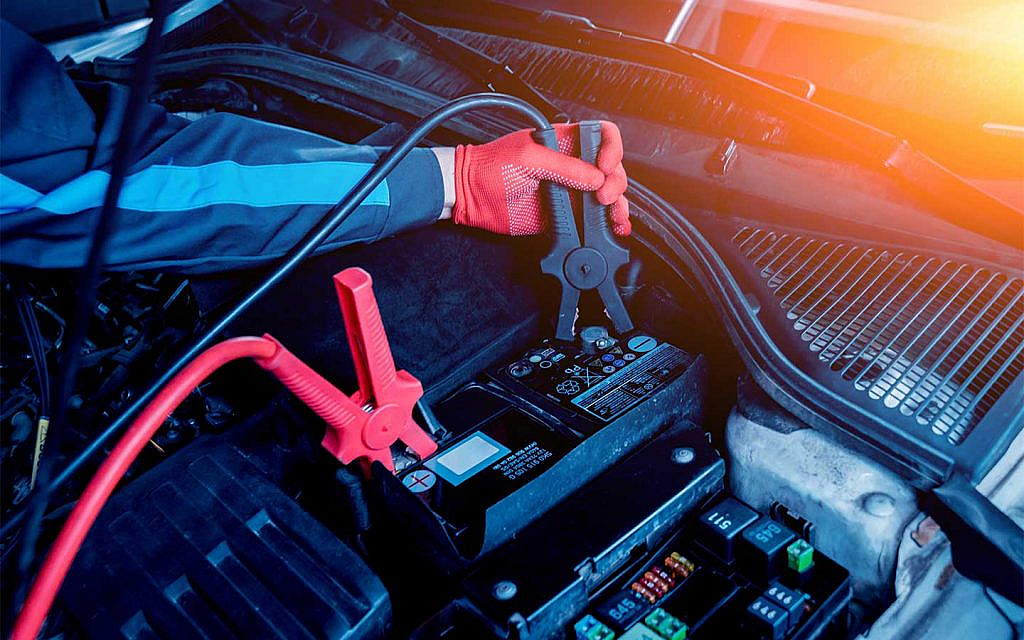
Portable battery boosters, also known as jump packs, are handy devices that can jump start your car battery without needing another vehicle. Here is how you can use a jump starter to charge a battery.
Step 1: Safety First
Each booster may have specific instructions. Moreover, familiarise yourself with your particular model. Wear protective gear and ensure the car is off.
Step 2: Connect the Booster
- Connect the positive (red) clamp to the positive terminal of the dead battery.
- Connect the negative (black) clamp to a metal part of the car chassis away from the battery.
Step 3: Turn On the Booster
Follow the device’s instructions to turn it on.
Step 4: Start the Car
Attempt to start the car. If it starts, let it run for a few minutes to stabilise the battery charge.
Step 5: Disconnect the Booster
Remove the clamps in reverse order: black first, then red. Remember to recharge the portable booster after use so it’s ready for next time.
Method 4: Using a Solar Charger
Solar chargers are an eco-friendly way for car battery maintenance. This method is particularly advantageous for vehicles that are stored for extended periods, ensuring your battery remains charged and ready for use. Besides, here are some more tips to store car batteries when not in use.
Step 1: Choose the Right Solar Charger
Ensure it’s suitable for 12-volt car batteries and has the necessary power output for your battery.
Step 2: Position the Solar Panel
Place the solar panel in direct sunlight, ideally on the car’s dashboard or roof.
Step 3: Connect to the Battery
- Attach the positive (red) clamp to the positive terminal of the battery.
- Attach the negative (black) clamp to the negative terminal
Step 4: Monitor Charging
Solar chargers typically provide a slow trickle charging. It may take several hours to days to fully charge the battery. Use a solar charge controller to prevent overcharging.
Method 5: Charging via Alternator
Driving the car can also car battery recharge through the alternator, which generates electricity while the engine runs.
- Jump Start the Car: If the battery is completely dead, you might need to jump start it first.
- Drive the Car: Drive for at least 30 minutes, preferably at highway speeds, to allow the alternator to charge the battery effectively.
- Monitor Battery Health: After driving, check if the battery holds the charge. If not, it may need to be replaced. For replacement, you can buy new car batteries in the UAE from here.
Battery Charging Safety Tips
Following these safety tips can help prevent accidents and ensure efficient battery charging.
- Avoid Sparks: Always connect and disconnect cables carefully to avoid sparks, which can ignite battery gases.
- Ventilation: Charge the battery in a well-ventilated area to avoid inhaling harmful gases such as hydrogen.
- Check for Damage: Inspect the battery and cables for any signs of damage or corrosion of a car battery before charging. Clean the terminals if necessary. Also, keep an eye on all the damages to prevent car battery drains.
- Follow Manufacturer Instructions: Always refer to the battery and charger manuals for specific instructions and safety warnings.
- Proper Disposal: Dispose of old or damaged batteries at designated recycling centres to prevent environmental harm.
- Check Fluid Levels: For non-sealed batteries, check the electrolyte levels and top up with distilled water if necessary. Also, clean corroded car battery terminals for optimal performance.
FAQs
How long does it take to charge a car battery with a charger?
It depends on the charger and battery condition. A 2-amp charger can take up to 24 hours, while a 10-amp charger may take around 4-6 hours. Smart chargers adjust the current for optimal charging time.
Can I charge a car battery without disconnecting it from the car?
Yes, but it’s safer to disconnect it, especially with a manual charger, to avoid electrical issues. Ensure all car electronics are off if you leave it connected.
Is it safe to use a car battery charger indoors?
Yes, with proper precautions. Ensure good ventilation to avoid gas build-up and keep away from open flames or sparks. Follow the charger’s safety guidelines.
How do I know if my car battery is fully charged?
A fully charged 12-volt battery reads 12.6 to 12.8 volts. Modern chargers have indicators that show when charging is complete. You can also use a voltmeter to check.
Charging a car battery safely is a crucial skill that can save you from being stranded and extend the life of your battery. Whether you use a battery charger, jump start with another car, utilise a portable booster, opt for a solar charger, or rely on your car’s alternator, always prioritise safety and follow the proper steps. By understanding the different methods and adhering to safety protocols, you can ensure your car battery remains in good condition and your vehicle is always ready to go. Additionally, monitor for parasitic drainage to ensure your battery remains fully charged and in optimal condition.
Besides, if you are looking to buy a used car in the UAE with a better battery life, browse through the listings here.
Stay tuned to dubizzle cars blog for more tips and information on maintaining and enhancing your vehicle.
Related Posts