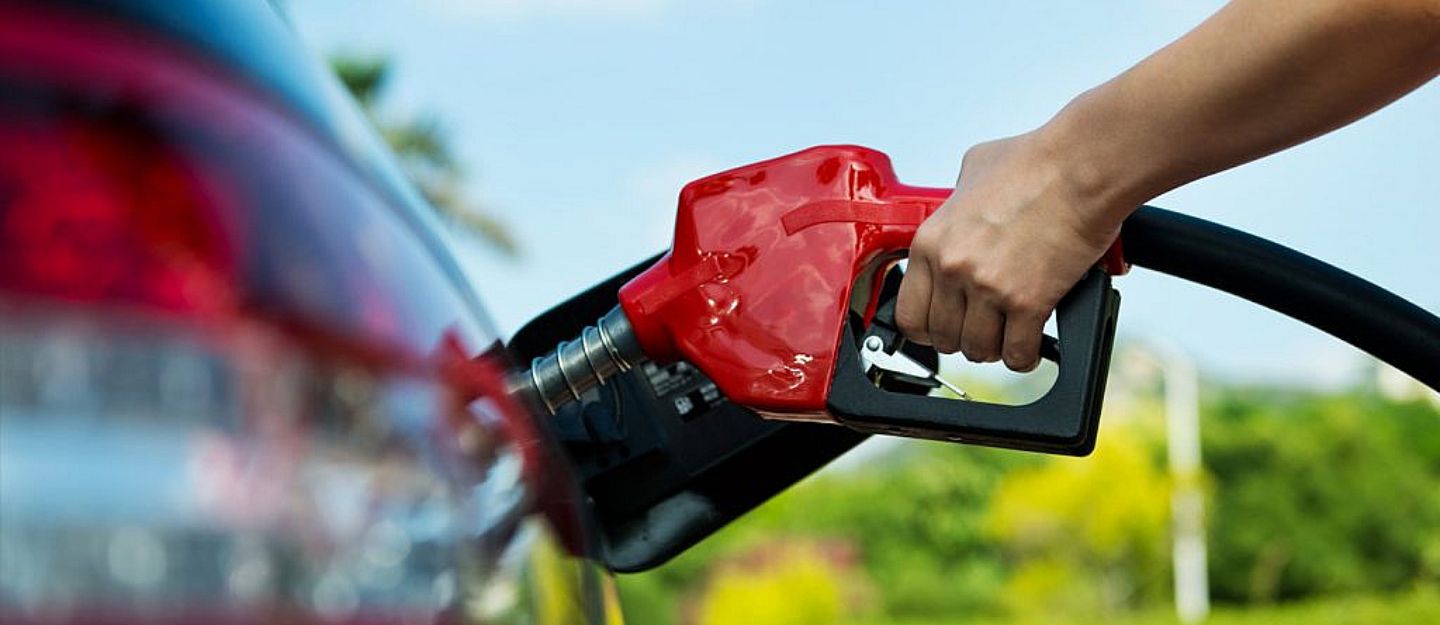
Water contamination in a petrol tank is a serious yet often overlooked issue. The presence of water in a petrol tank may remain undetected until a vehicle begins to exhibit performance issues. Even minimal water contamination can disrupt combustion, reduce fuel efficiency and cause long-term damage to essential engine components if not addressed promptly. Recognising early signs of fuel contamination helps prevent costly repairs, maintain engine performance and avoid breakdowns.
Causes of Water in the Petrol Tank
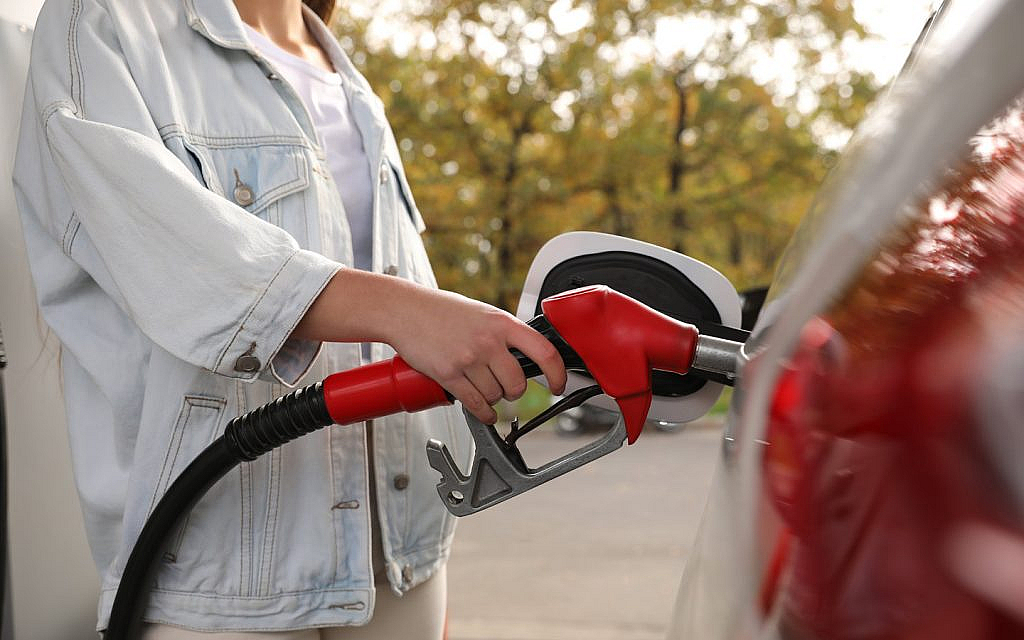
A car’s fuel system is vulnerable to water contamination, which can occur more easily than many realise.
- Condensation: When temperatures drop overnight, moisture forms inside partially filled tanks. Over time, these droplets settle at the bottom since water is heavier than petrol.
- Faulty or loose fuel caps: Allow rainwater or moisture to seep in, especially during heavy rains or car washes.
- External contamination: Occurs due to poorly maintained fuel storage or contaminated fuel supplies.
Key Signs of Water in a Petrol Tank
Spotting the signs of water in the petrol tank early can save you from costly repairs. Here’s what to look out for:
Poor Engine Performance
One of the earliest indicators is rough idling or inconsistent engine behaviour. The engine may feel unstable, especially at low speeds, because water disrupts the proper combustion process.
Engine Sputtering and Hesitation
If your car jerks or hesitates when you press the accelerator, water in the petrol tank could be interrupting fuel delivery and ignition timing.
Difficulty Starting the Engine
Hard starts or delayed ignition often indicate diluted fuel. In severe cases, the engine may refuse to start altogether.

Unexpected Engine Stalling
As water accumulates at the bottom of the tank, it can suddenly enter the fuel system, causing the engine to stall while driving or idling.
Reduced Fuel Efficiency
Since water does not burn, your engine compensates by consuming more fuel. If mileage drops unexpectedly, contamination could be the cause.
Unusual Smell or Sounds
Knocking, pinging noises or an unusual petrol smell can signal improper combustion due to water presence.
Steam or White Smoke from Exhaust
Excess moisture in the combustion chamber may produce visible steam or white smoke, especially during startup.
Step-by-Step Fixes for Water in a Petrol Tank
The approach to fixing water contamination in your petrol tank depends on how much water is present. Small amounts can often be treated with additives, while larger quantities may require draining or professional cleaning.
Step 1: Use Fuel Additives for Minor Contamination
For small amounts of water caused by condensation, water-removing fuel additives can help. These bind with moisture and allow it to pass safely through the combustion process.
Add the recommended quantity to a full tank and drive normally to circulate the treated fuel.
Step 2: Drain and Refill the Fuel Tank
If symptoms persist, draining the tank is the most effective solution. This removes both contaminated petrol and settled water. After draining, allow the tank to dry fully before refilling with clean petrol.
Step 3: Siphon the Contaminated Fuel
When drain plugs aren’t accessible, siphoning the lowest portion of the tank can remove most of the water. Dispose of contaminated fuel responsibly.
Step 4: Clean the Fuel System

Water can travel beyond the tank and affect fuel lines, injectors and filters. A fuel system flush ensures all moisture and residue are removed.
Step 5: Seek Professional Help for Severe Cases
If the vehicle continues to stall or misfire, professional servicing is essential. Mechanics can perform complete tank cleaning, replace damaged components and restore fuel quality safely.
FAQs
Can water in the fuel tank damage the engine?
Yes, water in the fuel tank can damage the engine by disrupting combustion, causing corrosion and clogging fuel injectors.
How does water get into a car’s petrol tank?
Water can enter a petrol tank through condensation, faulty fuel caps, leaks or contaminated fuel.
What should I do first if I suspect water in my fuel?
If you suspect water in your fuel, the first step is to stop driving and either use a water-removing additive for minor contamination or drain and clean the tank for severe cases.
Water in a petrol tank may start as a minor issue, but it can quickly escalate into serious engine damage if ignored. From rough idling and sputtering to sudden stalling and poor mileage, the signs are often clear once you know what to look for. Acting early, using the right fixes and following preventive measures will keep your fuel system clean and your engine running smoothly.
If you find yourself facing costly repairs and are considering a reliable upgrade or backup vehicle, explore these used cars for sale in the UAE to find options that are road-ready.
Keep reading dubizzle’s auto blog to learn more about vehicle maintenance and protecting your engine from common fuel-related issues.
Related Posts