Volkswagen (VW) is a German car maker with a fascinating history. It reflects both its origins in pre-WWII Germany and its evolution into one of the world’s largest automakers. Established in 1937 by the German Labour Front (a Nazi trade union), Volkswagen initially set out to create a car affordable for average citizens. Let’s go through a brief overview of the Volkswagen history and its notable generations.
Volkswagen History Timeline
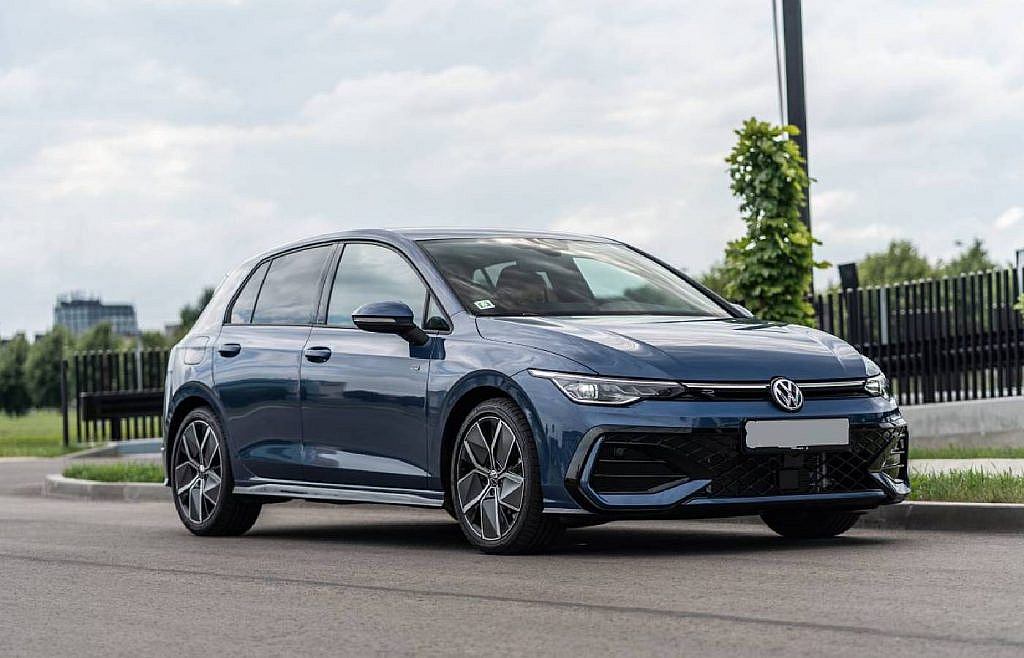
Volkswagen has produced numerous models, each with multiple generations. Throughout the years the car maker has evolved with its core philosophies, technological advancements and design shifts. Broadly, Volkswagen’s history can be categorised into five main generational eras. Let’s explore the evolution of Volkswagen throughout the years.
First Generation – Founding Era (1937–1945)
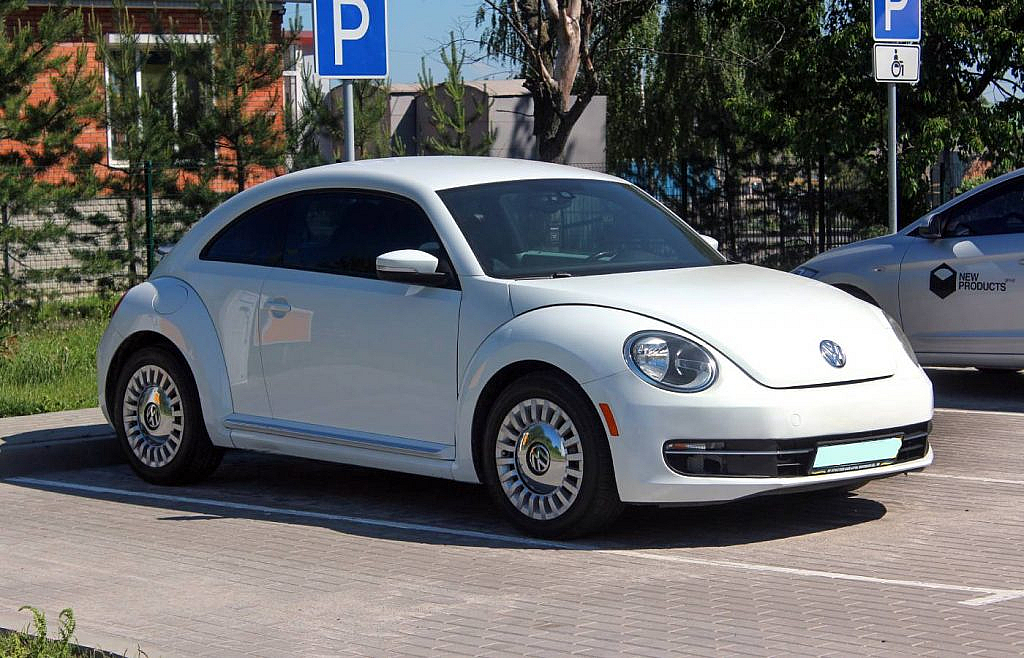
Volkswagen was founded by the German Government in 1937 for the mass production of an economical car. This car was known as the ‘people’s car’ (Volkswagen in German) for the average German citizen. The iconic Beetle (Type 1) was designed in this era, but production shifted to military vehicles during WWII. Here is a comprehensive VW-Beetle history.
Second Generation – Post-War and Beetle Domination (1945–1970s)

World War II broke out in 1939, delaying Volkswagen’s plans for mass production. Instead, the factory was converted to produce military equipment and vehicles. This made the VW factory a prime target for Allied bombers. By the war’s end, the factory lay in ruins.

Nevertheless, it was rebuilt under British supervision. Volkswagen resumed mass production in 1946, focusing on the Beetle. This post-war period saw the Beetle become immensely popular worldwide, establishing Volkswagen’s reputation for producing reliable, affordable cars, with the brand centering its success around this single iconic model. Beetle also became an icon of the 20th Century, here are some other interesting facts about Volkswagen.
Third Generation – Diversification and Globalisation (1970s–1990s)
In the 1970s, Volkswagen started transitioning away from rear-engine cars, introducing front-engine, front-wheel-drive models instead. Volkswagen responded to changing consumer demands and the oil crisis by introducing new models like Golf, Passat and Polo.
These vehicles, particularly the Golf, moved VW toward front-wheel-drive and water-cooled engines. This era saw VW expanding globally and acquiring brands like Audi and SEAT. Those interested in the latter can go through this detailed SEAT history. Moreover, here is a list of other Volkswagen owned car brands.
Fourth Generation – Expansion and Premium Offerings (1990s–2010s)
In this era, Volkswagen Group acquired several luxury brands, including Bentley, Bugatti, Lamborghini and Porsche, expanding its portfolio. The Golf, Passat, Jetta and Tiguan became cornerstones of VW’s lineup, while quality improvements and design innovations kept VW competitive in a global market.
Fifth Generation – Modernisation and Electrification (2010s–Present)
Following the 2015 emissions scandal, Volkswagen committed to a new era focused on sustainability and electrification. This led to the creation of the ID electric series (e.g., ID.3 and ID.4) as VW positioned itself for an all-electric future. This era emphasised cutting-edge technology, carbon-neutral goals and a pivot to electric and hybrid vehicles.
FAQS
When was Volkswagen founded?
Volkswagen was founded in 1937 in Germany.
What was Volkswagen’s first car?
The Volkswagen Beetle, originally designed as a ‘people’s car,’ was its first model.
Why was Volkswagen’s factory a target during WWII?
The factory produced military vehicles and equipment. This made it a target for Allied bombers.
Who helped rebuild the Volkswagen factory after WWII?
The British administration supervised the factory’s reconstruction and resumed production in 1946.
Which is VW’s best-selling model?
Golf is the car maker’s best-selling model. Here are some other interesting facts about VW Golf.
That is all about the history of Volkswagen. Each of the Volkswagen generations or eras represents a significant shift in Volkswagen’s strategy, technology and focus. Today, Volkswagen cars are defined by their commitment to electrification and sustainability more than any individual model evolution. Those interested in buying VW cars can browse through these used Volkswagen cars for sale in the UAE.
Stay tuned to dubizzle’s car blog for more on different car makes, models and their history.
Cover Image Credits: Shutterstock Photo Contributor – Yau Ming Low.
Related Posts