Sociedad Española de Automóviles de Turismo, S.A., commonly known as SEAT, is one of Spain’s leading automakers. This automotive brand’s primary goal was to facilitate mobilisation in Spain. To achieve this, SEAT started operating in the 1950s and launched its first car, SEAT 1400. Ever since, the brand has been committed to delivering top-tier vehicles at an affordable rate to its consumers.
SEAT’s history consists of various important events highlighting the brand’s achievements and progress over the years. Below is the SEAT brand’s timeline, showcasing its journey from a simple start to a flourishing car brand.
SEAT History and Timeline
SEAT’s journey reflects its dedication to innovation and adaptability. This affordable Volkswagen-owned car brand provides exceptional driver dynamics for the younger SEAT generation. SEAT’s priority was to ensure that affordability and quality go hand in hand. Let’s analyse SEAT history chronologically to understand how it transformed Spain’s mobility.
1950-1960
The SEAT car brand’s history marked its start in 1950. The brand altered the mobility landscape of Spain. SEAT launched its first manufacturing facility in Zona Franca District, located in Barcelona. The company hired 925 workers and launched its first model, the SEAT 1400, in 1953. This mid-size sedan featured a four-cylinder water-cooled Fiat engine delivering a peak speed of 120 km/h.
The production volume of SEAT spiked by 1956 and 10,000 cars were manufactured yearly. The following year, the brand launched SEAT 600, a significant milestone in the brand’s history.
1960-1970
The SEAT brand saw considerable growth and innovative advancements in the 1960s. The SEAT 1500 replaced the SEAT 1400 in 1963, catering to dynamic consumer preferences. Moreover, the brand opened its new headquarters in Madrid in 1964. The following year, SEAT made its way to the international market by exporting its cars to Colombia.
The company launched SEAT 850 and SEAT 124 in 1966 and 1968, respectively. These models offered more space and enhanced power. SEAT had delivered up to 1 million cars by the decade’s end. This helped the brand secure a prominent position in the automotive market.

1970-1980
In the 1970s, the SEAT production count reached a whopping 3 million and they officially launched the Martorell Technical Centre. Several models were brought forward by the brand in 1973. These models include SEAT 132, 1430 and 1600. The year 1975 featured the launch of SEAT 1200 Sport. This 2-door coupe offered a top speed of 157 km/h and was manufactured in SEAT’s new R&D facility.
Furthermore, the brand revealed its 128 models in 1976. The decade closed with the launch of SEAT Ritmo, which was supported by new factories in Pamplona and El Prat de Llobregat.
1980-1990
SEAT shifted its focus towards innovation and sportiness in the 1980s. Initially, in this decade, the SEAT Panda gained popularity in Spain because of its practicality. In 1982, SEAT joined forces with Volkswagen. This collaboration paved the way for Fura Crono and the Copa Fura competition.
The company started exporting the Ronda in 1983. Meanwhile, the Panda was rebranded as Marbella, focusing on younger audiences. Featuring Italian design in conjunction with German engineering, the SEAT Ibiza was launched in 1984. This was followed by the introduction of Malaga, a family-friendly car. In 1985, SEAT Sport also came into being.
1990-2000
The highlight of the 90s was the solidification of SEAT’s partnership with Volkswagen. Volkswagen acquired 99% of SEAT’s shares. They also achieved the milestone of producing 8 million cars since their inception. In 1991, SEAT introduced its Toledo at the Barcelona Motor Show. These models were created in collaboration with Volkswagen.
The year 1993 showcased SEAT Cordoba’s launch. This model had 1.4, 1.6, 1.8 and 2.0-litre petrol engine configurations. The opening of the Martorell plant by His Majesty King Juan Carlos I also happened in the same year. SEAT’s ten millionth car was a Toledo, produced in 1995. Furthermore, the SEAT Ibiza CUPRA won the FIA World Rally Championship. The company also launched the Alhambra in the mid-1990s at the Geneva Motor Show.
SEAT launched two other models in 1997: the SEAT Arosa and Cordoba Vario. The SEAT Arosa had three different engine options. Moreover, this model was known for its low fuel consumption. SEAT’s cars made strides in the racing world. The SEAT Cordoba WRC participated in the World Rally Championship circuit, while Toledo garnered public attention at the Paris Motor Show. The decade concluded with the rolling out of SEAT Leon in 1999.
2000-2010
This decade commenced with the display of the SEAT Salsa concept car at the brand’s 50th anniversary celebration. Additionally, the new SEAT Ibiza model and the sporty SEAT Leon CUPRA R prototype made their way to the automotive market. The brand launched the SEAT Cordoba family-friendly version at the Paris Motor Show in 2002. This car resulted from a collaboration between Audi and Lamborghini within the Volkswagen group.
The SEAT Altea prototype, boasting a bold design, was introduced in 2003. Then, the production model was revealed at the Geneva Motor Show in 2004. Moreover, the sporty SEAT Ibiza FR and CUPRA models were launched at the same event. The new SEAT Leon and the SEAT Leon WTCC debuted in 2005. The SEAT Altea XL became a part of this lineup in 2006.
In 2008, SEAT secured a five-star rating by EuroNCAP for its safety aspect. Furthermore, the brand further grew its lineup by adding new versions of the SEAT Ibiza, SC, CUPRA and Ecomotive.
2010-PRESENT
SEAT became one of the eco-friendly brands by developing sustainable models with enhanced connectivity features. The company introduced its SEAT IBE concept at its 60th anniversary. This concept was focused on reducing the carbon footprint of cars produced by the brand. Furthermore, this event featured the launch of the SEAT Ibiza ST and the seven-SEATer SEAT Alhambra.
In 2011, the SEAT IBL concept and the new Exeo were brought forward. This was followed by the introduction of the SEAT Mii, SEAT Toledo and the third-generation Leon. Meanwhile, in 2013, the brand expanded its iTECH range by introducing different Ibiza and Leon models. These models included Ibiza CUPRA and Leon SC. The main highlights in 2014 were the launches of the new Leon CUPRA, Mii by Mango and the Leon ST 4Drive.
In 2015, SEAT introduced the 20V20 concept SUV. This paved the way for the development of models like SEAT Ateca. SEAT Ateca was the brand’s first SUV, which was launched in 2016. A newer version of Ibiza alongside the Arona crossover SUV was revealed in 2017. The SEAT Tarraco was the largest SUV in the lineup. This model completed the brand’s SUV lineup. This year, the CUPRA brand was also launched with the CUPRA Ateca. The CUPRA Ateca generates up to 300hp and incorporates six driving modes with 4WD tech.
FAQs
Is SEAT made in Germany?
SEAT’s CUPRA Born and Tarraco models are made in Germany, while the Ateca family is developed at their Czech Republic facility.
Is SEAT a VW brand?
Yes, SEAT is one of the automotive brands owned by Volkswagen.
What engines do SEATs use?
SEAT cars are integrated with Volkswagen TSI (Turbocharged Stratified Injection) and TDI (Turbocharged Direct Injection) engines. Moreover, they offer TGI engines as an eco-friendly alternative.
SEAT’s history proves the brand’s commitment to innovation while ensuring affordability. The primary reason for SEAT’s popularity was its ability to balance style, efficiency and affordability. The brand started with humble beginnings and has now shifted towards innovative and advanced methods to facilitate electric mobility.
If you wish to add a SEAT car to your collection, scroll through these used SEAT cars in the UAE to select your desired one. However, if you want to explore options from other car brands, explore this wide variety of used cars for sale in the UAE.
Stay tuned to UAE’s leading auto blog to get to know the histories of different car brands.
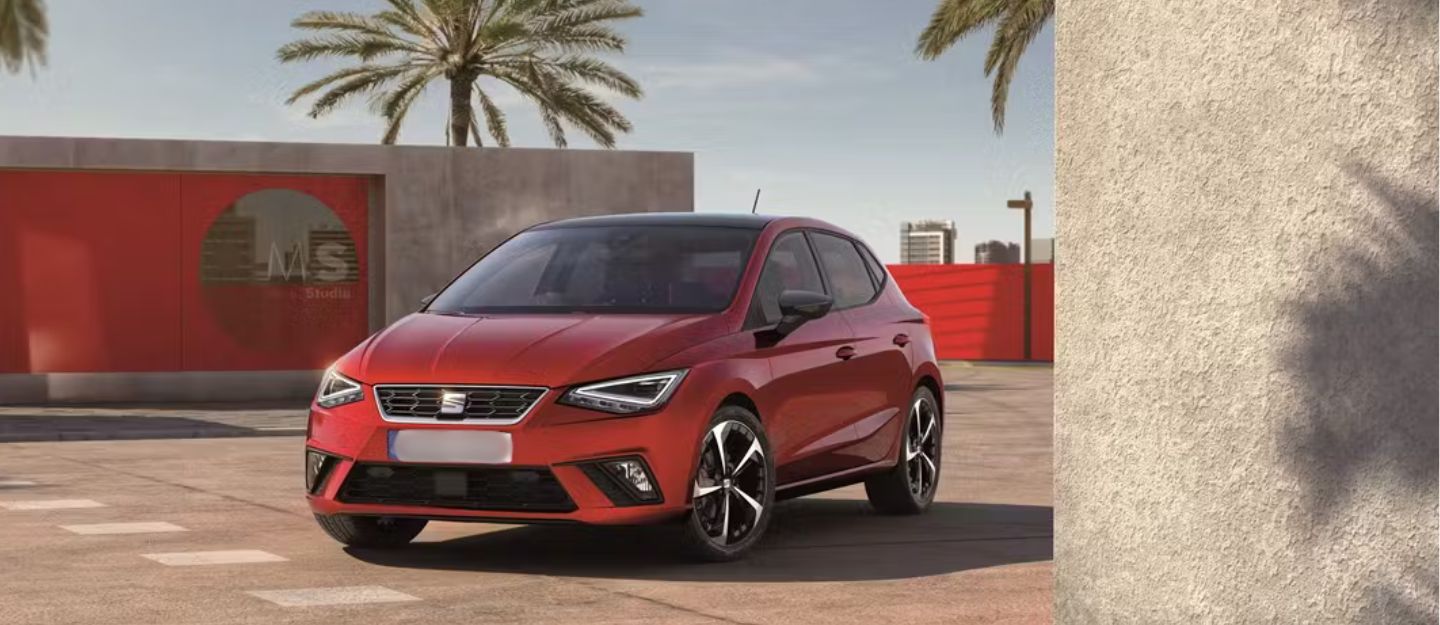
Cover Image Credits: SEAT Official Website
Related Posts