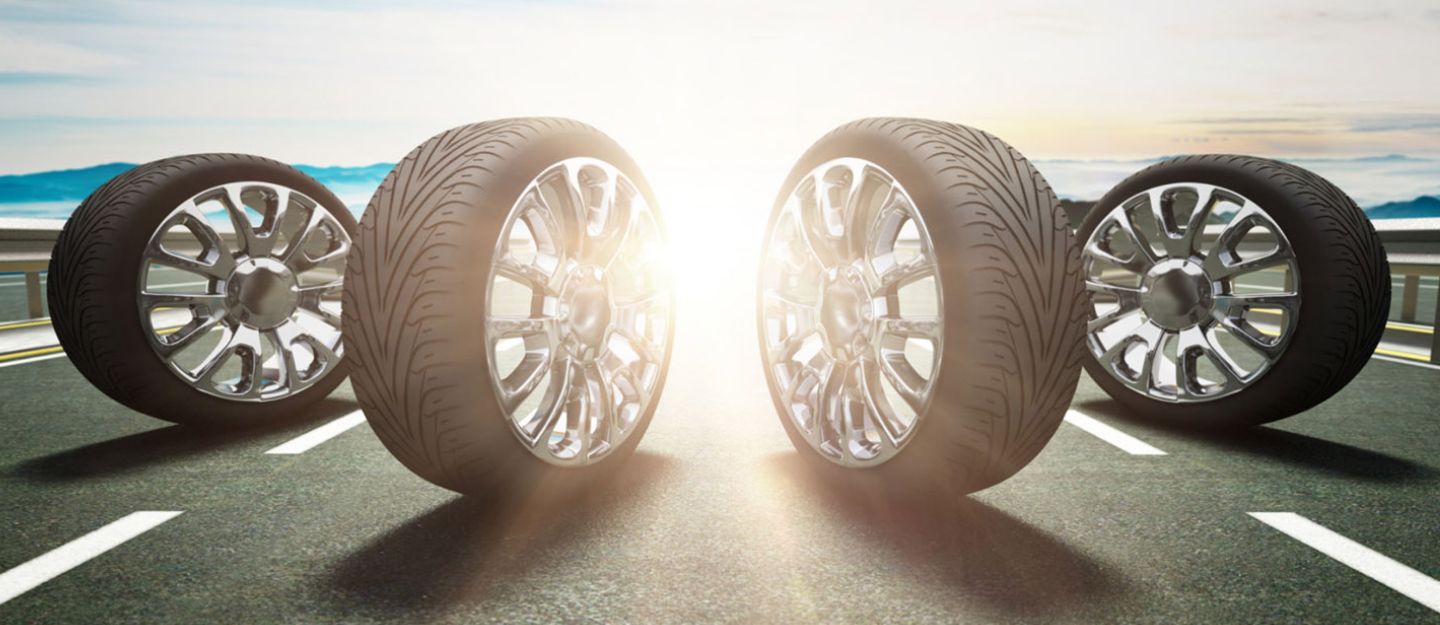
Tyres play a critical role in a vehicle’s overall performance, influencing everything from handling and grip to fuel efficiency. One important yet often overlooked factor is tyre rolling resistance. While it operates quietly in the background, rolling resistance has a direct impact on how much energy your vehicle needs to stay in motion. Understanding what tyre rolling resistance is can help drivers make informed decisions when choosing tyres, maintaining their vehicles and managing running costs.
Tyre Rolling Resistance Explained
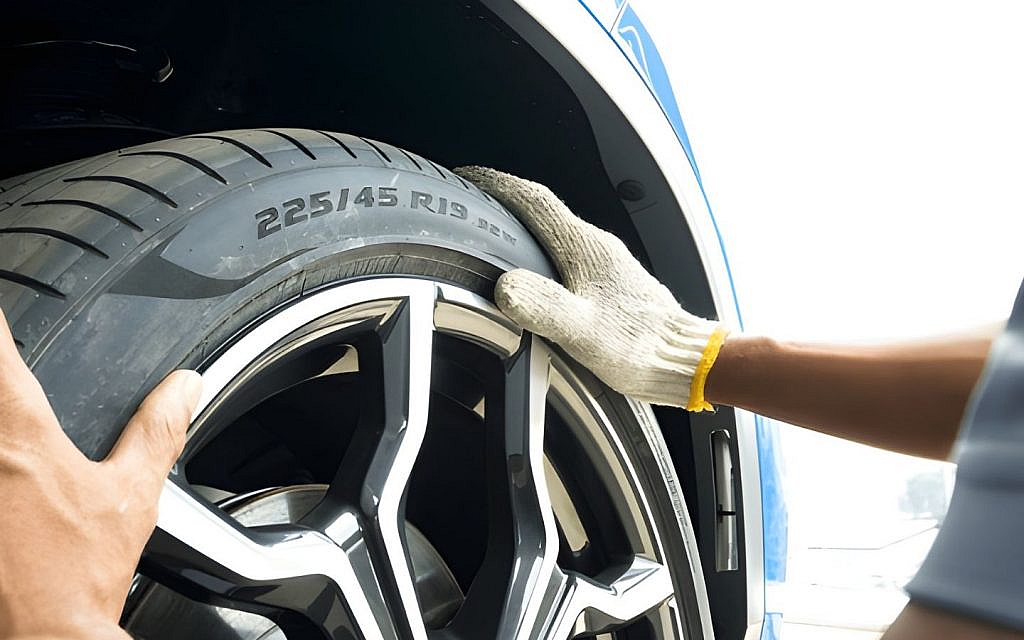
Tyre rolling resistance refers to the energy required to keep a tyre rolling at a constant speed on a surface. As a tyre rotates, it continuously deforms where it comes into contact with the road and then returns to its original shape. This repeated deformation causes energy loss, which the vehicle’s engine must compensate for.
In simple terms, the greater the rolling resistance, the harder the car engine has to work to keep the vehicle moving. This increased effort leads to higher fuel consumption or faster battery drain in electric vehicles.
All tyres generate rolling resistance and it cannot be eliminated. However, the level of resistance varies depending on tyre design, materials, inflation level and overall condition.
Why Tyre Rolling Resistance Matters
Tyre rolling resistance has a direct impact on fuel efficiency, tyre lifespan and overall vehicle performance.

Higher Rolling Resistance
- Increases fuel consumption as the engine works harder to overcome added drag
- Raises running costs and contributes to higher emissions over time
- Causes greater heat buildup in tyres, accelerating wear and reducing tyre life
Lower Rolling Resistance
- Allows the vehicle to move more efficiently with less engine strain
- Improves fuel economy
- Helps tyres last longer
Factors That Affect Tyre Rolling Resistance
Several factors determine how much rolling resistance a tyre produces:
Tyre Design and Materials
The rubber compound, internal construction and tread pattern all influence how much energy is lost as the tyre flexes. Tyres designed with efficiency in mind tend to deform less and generate less heat.
Tyre Pressure
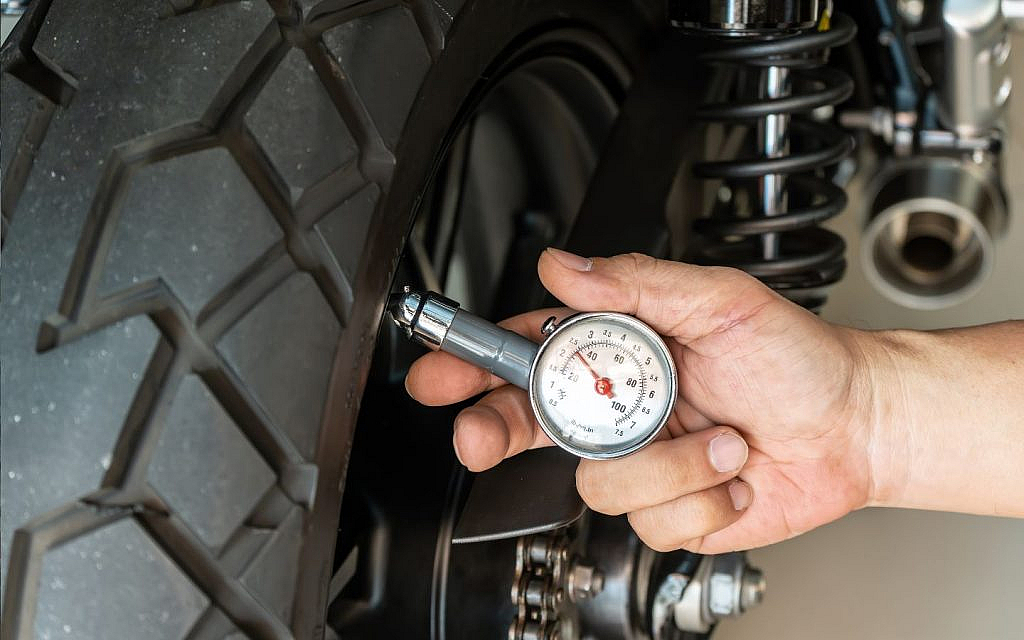
Underinflated tyres increase rolling resistance due to greater deformation. Even a small drop below the recommended pressure can noticeably reduce fuel efficiency.
Road Surface
Smooth road surfaces reduce tyre rolling resistance, while rough or uneven roads increase it.
Temperature
Cold temperatures can make tyres stiffer, temporarily increasing rolling resistance until they warm up.
Tyre Size and Weight
Wider, heavier tyres generally create more resistance than lighter, narrower ones.
Rolling Resistance and Fuel Efficiency
The relationship between rolling resistance and fuel efficiency is straightforward: less resistance means less energy is required to maintain speed.
Tyres account for a significant portion of a vehicle’s energy consumption. In combustion-engine vehicles, rolling resistance accounts for approximately 20% of total fuel consumption. A noticeable increase in rolling resistance can lead to a 3 to 5% rise in fuel consumption.
For electric vehicles, rolling resistance is even more critical. Lower resistance helps extend driving range, reduce charging frequency and improve overall efficiency.
Can Car Tyre Rolling Resistance Be Reduced?
While rolling resistance cannot be eliminated, it can be reduced through proper tyre selection and maintenance:
- Choosing tyres designed for low rolling resistance
- Maintaining correct tyre pressure as recommended by the manufacturer
- Ensuring appropriate wheel alignment
- Rotating tyres regularly to promote even wear
FAQs
How does rolling resistance affect fuel efficiency?
Higher rolling resistance increases fuel consumption, while lower resistance improves efficiency.
What causes high rolling resistance in tyres?
Factors that cause high rolling resistance include tyre design, heavy tread, underinflation, rough surfaces and stiff materials.
How does tyre pressure impact rolling resistance?
Underinflated tyres increase rolling resistance, while properly inflated tyres reduce it.
Tyre rolling resistance is a key factor in vehicle efficiency that often goes unnoticed. It affects fuel consumption, tyre wear, emissions and overall driving comfort. By understanding what tyre rolling resistance is and how it works, drivers can make smarter tyre choices and maintain their vehicles more effectively.
For those looking to upgrade or change their vehicle, here are some quality used cars for sale in the UAE that combine performance, reliability and value.
Keep reading dubizzle’s auto blog to learn more about finding the right car, tyre tips and ways to maximise your vehicle’s efficiency.
Related Posts