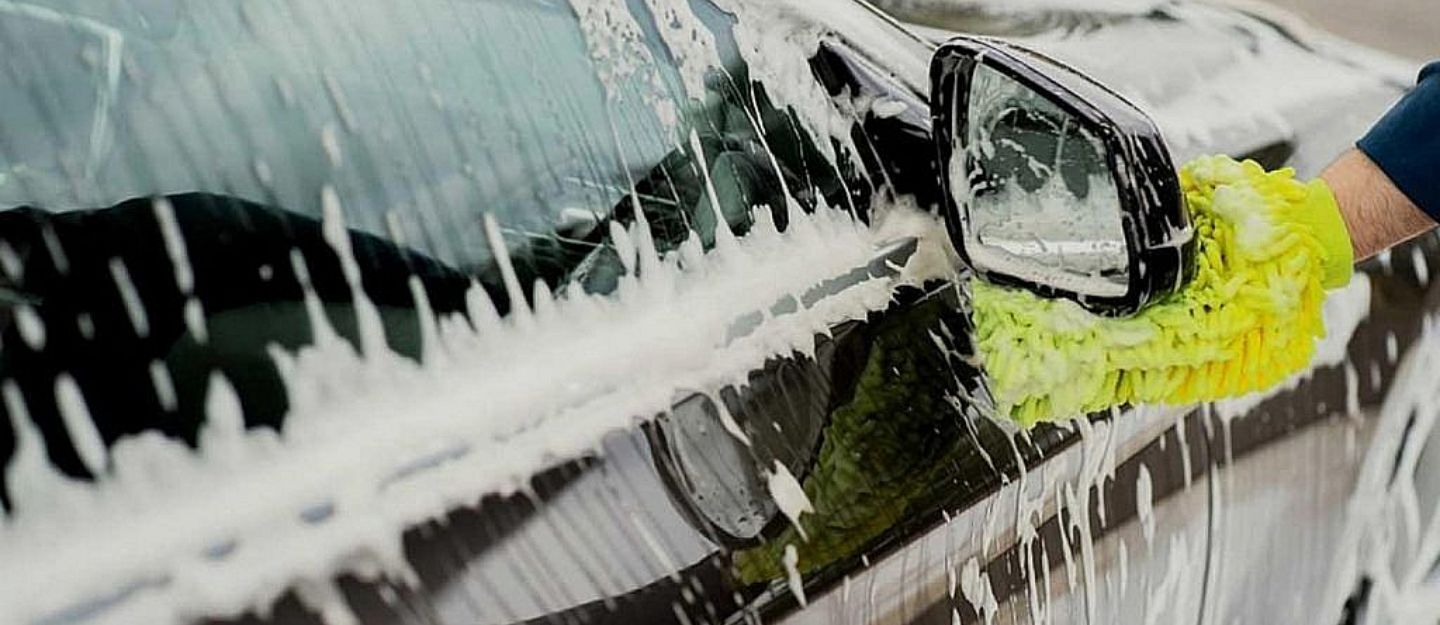
In the UAE, keeping your car clean is not only about preserving its exterior appearance and resale value — it is also a legal requirement. Dirty vehicles can attract fines from local authorities, making regular washing an essential part of responsible car ownership. Among various car washing techniques, the two-bucket car washing method is widely recognised by detailing experts as one of the effective and safe methods to clean a vehicle without causing swirl marks or scratches.
What is the Two-Bucket Car Washing Method
The two-bucket method involves using two separate buckets for washing your car instead of just one. One bucket holds the soapy water mixed with car shampoo, while the other contains clean water for rinsing the washing mitt or sponge.
This process keeps dirt and grit separated from the cleaning solution, reducing the chance of abrasive particles scratching the paintwork during washing.
Why Use the Two-Bucket Method
Cars in the UAE, especially in cities like Dubai and Abu Dhabi, face unique challenges such as sand, dust and salt exposure. The two-bucket method offers several key benefits:
- Prevents paint damage: By rinsing your mitt in clean water before reloading it with soap, you avoid reapplying dirt onto the paint surface.
- Maintains finish quality: Minimises swirl marks and microscratches, which often occur due to dirt particles caught in the wash mitt.
- Improves cleaning efficiency: Ensures the suds remain clean longer, which enhances the cleaning power of the shampoo.
- Cost-effective: Requires only basic supplies but yields professional-level results.
How to Wash a Car With Two-Buckets
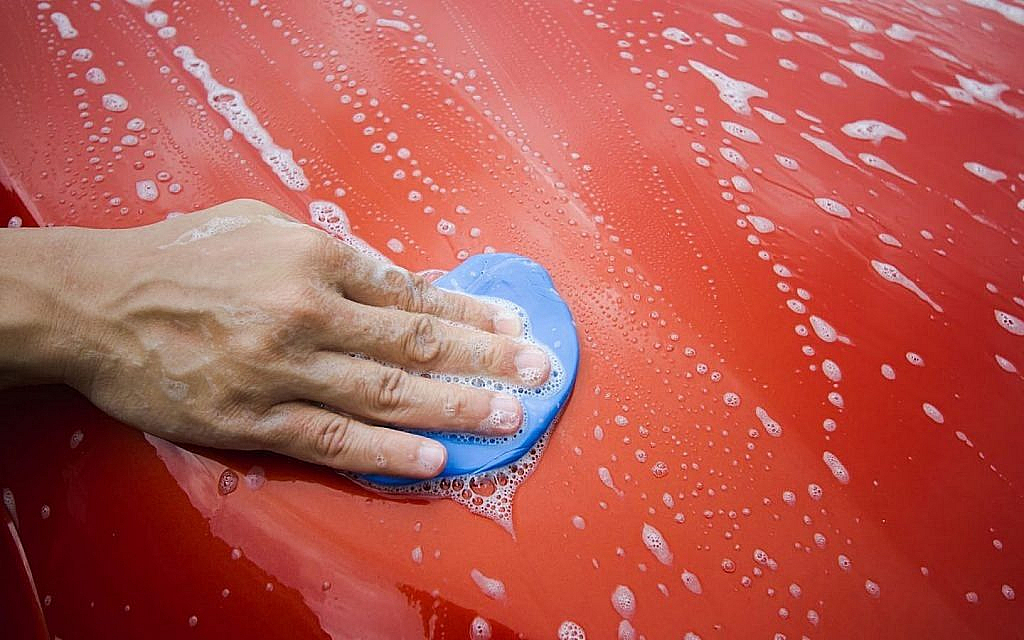
Before starting, make sure you have the following items ready:

- Two sturdy buckets (preferably 5 gallons each)
- High-quality car wash shampoo (pH-balanced and gentle on paint)
- Wash mitts or microfiber sponges (use a separate one from your drying towel)
- Grit guards (placing these at the bottom of bucket traps dirt)
- Hose with a spray nozzle or pressure washer
- Microfiber drying towels or chamois
Step 1: Pre-Rinse the Car
Start by thoroughly rinsing the entire vehicle with clean water using a hose or a pressure washer. This initial rinse removes loose dirt, sand and debris that could cause scratches if rubbed into the paint during washing. Paying close attention to car wheels and lower panels is useful, as these areas accumulate the most grime.
Step 2: Prepare the Buckets
- Fill the first bucket with water and add car shampoo to create a soapy solution.
- Fill the second bucket with plain, clean water for rinsing the mitt.
Step 3: Wash in Sections
Dip your microfiber mitt into the soapy bucket and wash the car section by section — usually starting from the roof and working your way down. This prevents dirty water from dripping onto already cleaned areas.
Step 4: Rinse the Mitt Frequently
After washing one section, rinse the mitt thoroughly in the clean water bucket before dipping it back into the soapy bucket. This step removes dirt particles and prevents them from re-entering the wash solution.
Step 5: Repeat the Process
Continue the wash-rinse cycle across the entire car, ensuring the mitt remains free of grit each time.
Step 6: Final Rinse
Once the car is fully washed, give it a final rinse with clean water to remove soap residue.
Step 7: Dry the Car
Use a microfiber drying towel or chamois to gently dry the surface and avoid water spots.
Tips to Use Two-Bucket Car Washing Method for Best Results
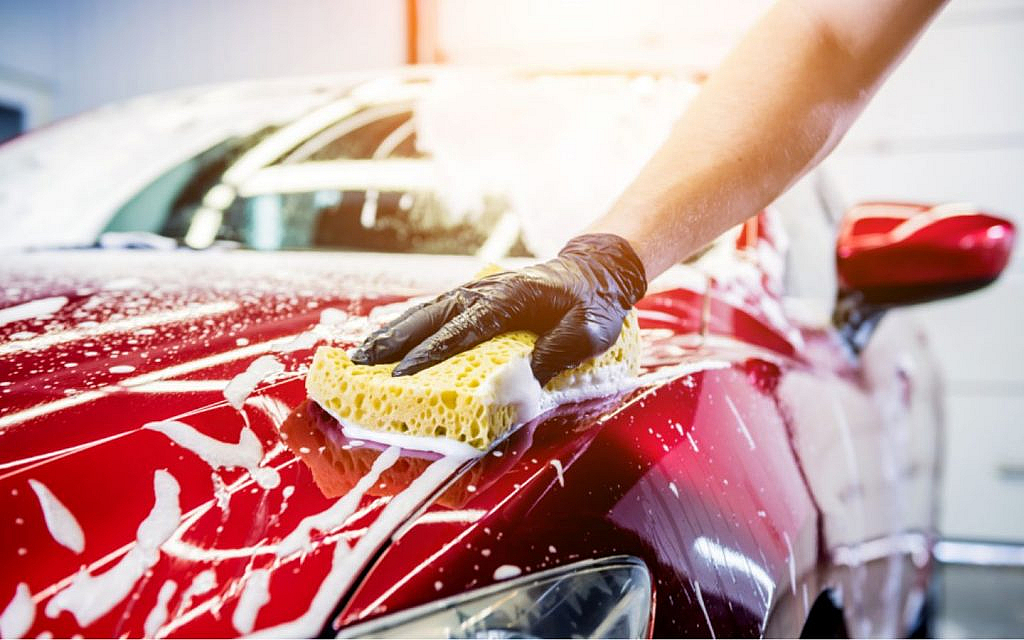
Here are some expert car cleaning tips to make the most of the two-bucket method for vehicle detailing:
- Use grit guards: Placing a grit guard for a two-bucket wash at the bottom of each bucket helps trap dirt particles.
- Always use quality shampoo: Dedicated car shampoos are pH-balanced and safe for paint. It is a must-have item and should be a part of your home car cleaning kit.
- Work in the shade: Prevents soap from drying too quickly and leaving streaks.
- Wash top to bottom: The lower parts of the car are the dirtiest; save them for last.
If you don’t have these tools, browse auto accessories for sale in the UAE to find everything you need for a proper car wash.
FAQs
What is the two-bucket car washing method and why is it recommended
The two-bucket car wash method is one of the best car washing techniques used by professionals and detailing enthusiasts. It involves using one bucket with soapy water and another with clean water for rinsing the wash mitt.
How does the two-bucket method prevent scratches on car paint?
When you dip the mitt into the rinse bucket, dirt and grit are released into clean water instead of being transferred back onto the paint. This is why the method is considered one of the safest car cleaning techniques for beginners and experienced detailers alike.
Can I use the two-bucket method for any type of car paint?
Yes, the method works for all types of finishes, including clear coats and metallic paints. It is among the best car washing techniques for protecting your paint, regardless of vehicle type. You can also use this safe method to clean sports cars, luxury vehicles, or daily drivers without worrying about scratches.
What kind of soap works best for this method?
Always use a pH-balanced car shampoo designed specifically for vehicles. Household detergents are not suitable, as they strip wax and compromise protection.
This was all about the two-bucket car washing method and why it is considered one of the best car washing techniques for protecting your vehicle’s paint. Washing your car with two buckets is a practical, DIY-friendly way to achieve a professional finish at home while preventing swirl marks and scratches. If you’re new to car detailing, you might also wonder whether to start cleaning the car’s interior or the exterior first. We’ve covered it in detail in this blog on where to start cleaning a car.
When browsing used cars for sale in the UAE, it’s always a good idea to check whether the vehicle has been regularly maintained with proper washing and detailing.
Stay tuned to the dubizzle’s auto blog to learn more about car cleaning and maintenance.
Related Posts