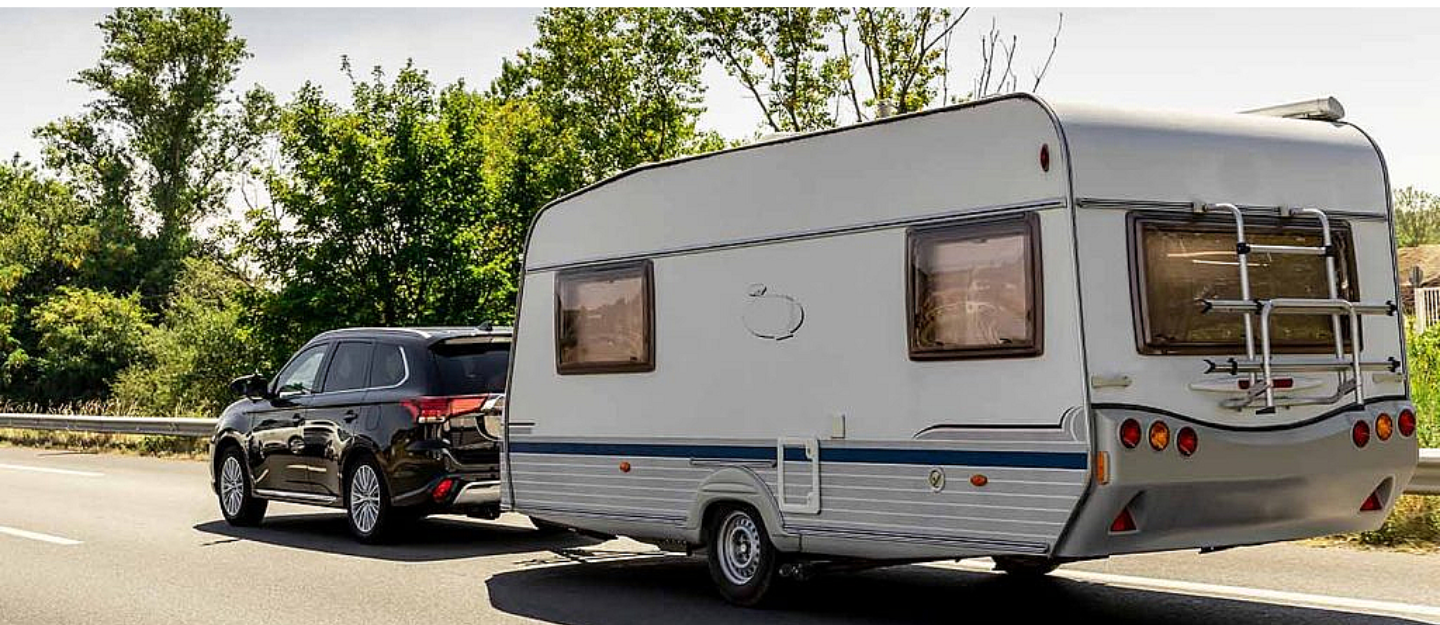
Trailer stability assist, also known as electronic trailer sway control, is a modern safety feature that keeps trailers steady when towing. This technology helps prevent a common problem called trailer sway. It happens when the trailer starts moving side-to-side, which can be dangerous for the driver and other vehicles. TSA is useful for drivers towing heavy loads like caravans, boats or utility trailers. Let’s explore how TSA works, its benefits and how it compares to other stability systems.
How Does Trailer Stability Assist (TSA) Work?
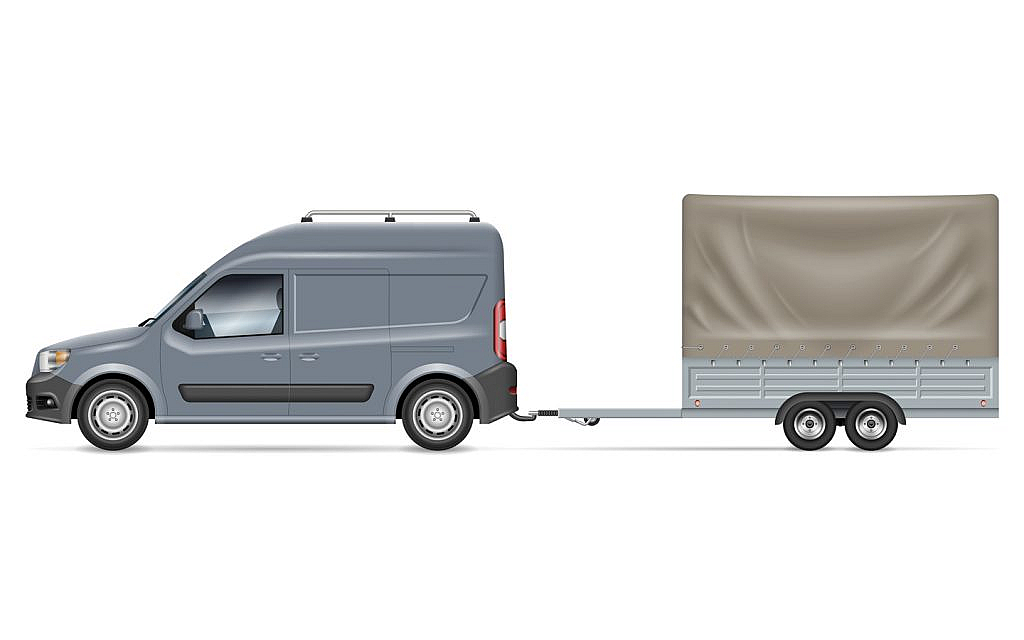
TSA uses different types of car sensors to watch the movements of the trailer and the towing vehicle. When these sensors detect that the trailer is swaying too much, TSA takes action to control the motion. You must also know the safe trailer towing guidelines. Here’s a breakdown of how TSA works step by step:
Detecting Trailer Sway
TSA monitors the trailer’s movement through sensors connected to the vehicle’s stability control system. It checks for signs of unwanted side-to-side motion, especially at high speeds or during quick lane changes. Most of this process is done by the car’s electronic control unit.
Applying Brakes on Specific Wheels
TSA doesn’t apply brakes on all wheels at once when sway is detected. Instead, it brakes specific wheels to balance the vehicle and trailer. This method provides a gentle pull that corrects the sway without causing sudden stops.
Reducing Engine Power
TSA also temporarily reduces engine power. This prevents further acceleration, which allows the vehicle and trailer to slow down gradually, helping to control sway without abrupt speed changes.
Re-aligning the Trailer and Vehicle
By braking certain wheels and controlling engine power, TSA brings the trailer and vehicle back into alignment. This process happens smoothly and quickly, often before the driver knows the sway. It can effectively prevent skidding, emergency braking and accidents.
Key Benefits of Trailer Stability Assist (TSA)
Various modern car safety features provide a safer driving experience. TSA is one of them. It offers multiple benefits that make towing safer and easier. Here’s why TSA is such a valuable feature for those who often tow trailers:

Greater Safety on the Road
TSA adds a layer of protection, especially in difficult weather or road conditions. Strong winds, wet roads or uneven surfaces can lead to trailer sway. However, TSA ensures the trailer stays in line with the towing vehicle, reducing the risk of accidents.
Improved Driver Control
TSA helps drivers maintain control by keeping the trailer steady. This means drivers don’t have to make sudden or sharp steering adjustments to align the trailer. It makes towing less stressful and more manageable.
Lower Risk of Trailer-related Accidents
Trailer sway can lead to serious accidents, including rollovers and jackknifing. TSA significantly reduces these risks by minimising sway, making the road safer for drivers and other vehicles. Uneven weight distribution is one of the trailer towing mistakes that cause trailer sway.
Reduced Strain on Vehicle Components
When trailer sway is controlled, it reduces the wear and tear on the vehicle’s brakes, tyres and suspension. Over time, this can lead to lower maintenance costs, as the vehicle and trailer experience less stress during towing.
Safe Towing of Heavier Loads
In vehicles equipped with TSA, towing capacity is often higher. The added stability allows drivers to safely tow heavier trailers, which is particularly useful for large caravans, boats or utility trailers.
How TSA Differs from Other Stability Systems
TSA is part of a broader set of vehicle stability systems. While TSA focuses specifically on towing, other systems enhance vehicle stability differently. Here’s how TSA compares to other stability technologies:
Electronic Stability Control (ESC)
Electronic stability control is a general system designed to stabilise the entire vehicle during turns, lane changes or slippery conditions. Unlike TSA, which monitors and controls the trailer’s sway, ESC focuses on the car or truck. It prevents the vehicle from losing control by applying brakes to individual wheels but doesn’t directly assist with towing stability.
Anti-lock Braking System (ABS)
Anti-lock braking system prevents the wheels from locking up during sudden braking. While ABS improves vehicle stability by keeping the wheels rolling instead of skidding, it doesn’t help with trailer sway. TSA works in addition to ABS by managing trailer movements, whereas ABS mainly ensures safe braking on the vehicle itself.
Traction Control System (TCS)
The traction control system prevents wheel slip when accelerating, especially on wet or icy roads. While TCS provides traction to the vehicle’s wheels, it doesn’t affect trailer stability. TSA, on the other hand, controls the side-to-side motion of the trailer.
Brake Assist System
The brake assist system increases braking power during emergency stops. It enhances safety by helping the vehicle stop quickly but does not address trailer sway. TSA manages trailer sway by selectively applying brakes to specific wheels and adjusting engine power.
Adaptive Cruise Control
Adaptive cruise control maintains a safe distance from the vehicle in front by adjusting speed automatically. While it improves overall driving comfort and safety, it doesn’t focus on stability. TSA, by contrast, stabilises the trailer directly, working with or without ACC for towing safety.
Popular Cars With Trailer Stability Assist
Here are some popular cars that come equipped with Trailer Stability Assist (TSA) or similar towing stability systems:
- Ford Ranger
- Toyota Land Cruiser
- Jeep Grand Cherokee
- Chevrolet Tahoe
- Land Rover Discovery
- Volkswagen Touareg
- Ford F-150
- Mercedes-Benz GLE
- Chevrolet Silverado 1500
FAQs
Does Trailer Stability Assist work in all conditions?
TSA is designed to handle various driving conditions. But, it’s most effective when the trailer is loaded properly and the driver follows safe towing practices.
Can I use TSA with any trailer size or weight?
TSA is generally compatible with different trailer sizes and weights. However, each vehicle has a towing capacity, so check your vehicle’s manual to confirm the maximum weight it can tow safely with TSA. Overloading can reduce TSA’s effectiveness.
Is TSA automatically enabled or do I need to activate it?
TSA is usually automatic and activates when a trailer is connected. The system works in the background and engages only if it detects trailer sway. Drivers don’t need to switch it on or off.
Does TSA add extra maintenance requirements for my vehicle?
TSA does not usually require extra maintenance, as it operates through the vehicle’s existing stability control system. Regular maintenance of your vehicle’s stability and braking systems will help TSA function effectively.
Trailer Stability Assist is a valuable safety feature for towing. It helps prevent dangerous situations on the road by detecting and correcting trailer sway. When combined with responsible driving, balanced loading and regular vehicle maintenance, TSA significantly improves towing safety. It makes each journey safer and less stressful for drivers who frequently tow trailers, making it an essential tool in modern vehicles.
That is all about the trailer stability control system. If you’re looking for a car with modern safety features, you can explore these used cars for sale in the UAE.
Stay tuned to UAE’s leading cars blog for more on car parts and systems.
Related Posts