
When it comes to off-roading or roadside assistance, the right equipment can make all the difference. Among the many tools that come in handy in such scenarios are tow and recovery hooks. At first glance, both may look similar, but they serve very different purposes. Moreover, knowing the difference between tow hooks vs recovery hooks can save you time, prevent vehicle damage and ensure you’re prepared for any situation.
What Are Tow Hooks?
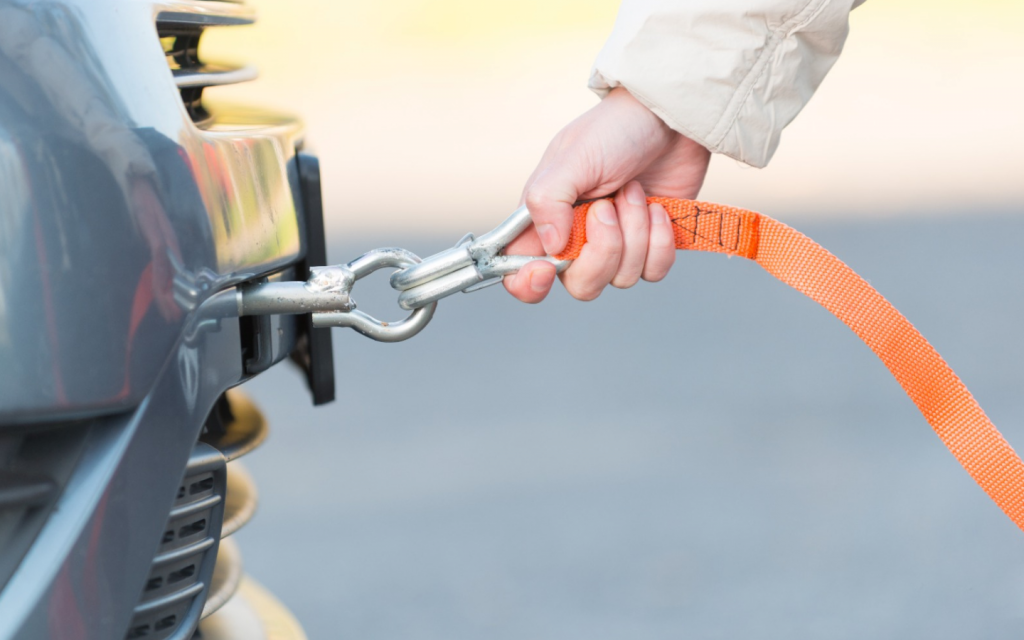
Tow hooks are specially designed attachment points mounted on vehicles to allow for towing and hauling. They are pre-installed by manufacturers, especially on SUVs, trucks and heavy-duty vehicles. Additionally, they can be positioned at the front or rear of the vehicle and are bolted directly to the frame.
Tow hooks in cars are used to pull on smooth surfaces steadily. For example, towing a car to a repair shop, pulling it onto a flatbed or moving it short distances. They are strong, but not built for high-stress recovery situations.
What Are Recovery Hooks?
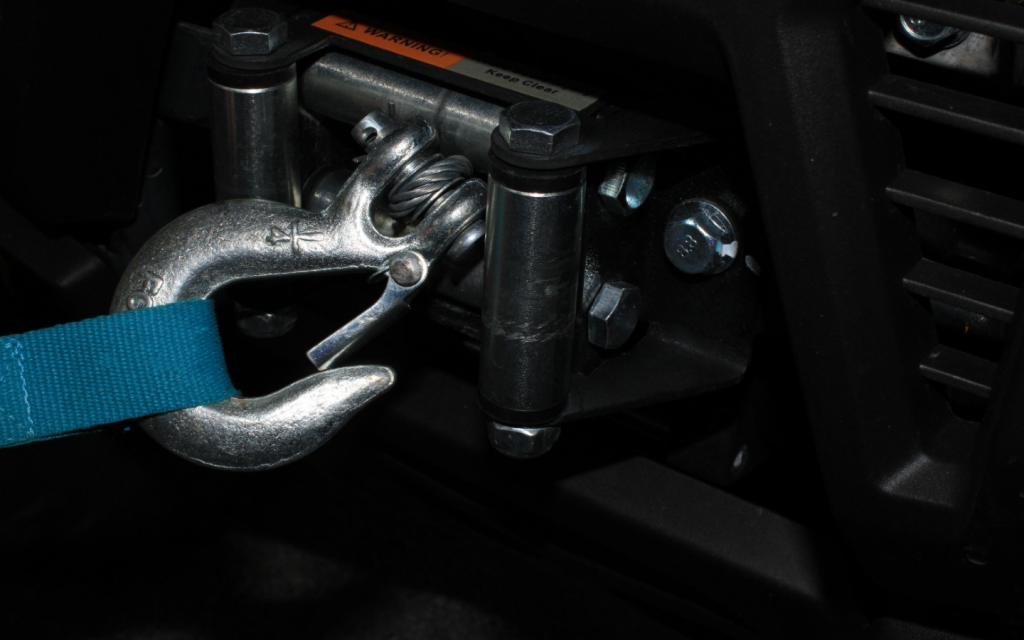
Recovery hooks, on the other hand, are designed specifically for off-road recovery situations. If the vehicle is stuck in desert, mud or deep ditches, recovery hooks provide a secure anchor point to attach straps, winches or ropes.

Unlike tow hooks, recovery hooks for off-road vehicles can withstand the shock loads and sudden tugs that come with recovery operations. They are forged from heavy-duty steel and mounted securely to the vehicle’s frame. Many off-road vehicles feature recovery points as standard, but aftermarket recovery hooks are also widely available.
Key differences between tow hooks and recovery hooks
Here is a tow vs recovery hook comparison which outlines the core purpose of each tool.
1. Purpose
- Tow Hooks: Designed for controlled towing on flat or paved surfaces.
- Recovery Hooks: Built for pulling vehicles out of tough off-roading conditions.
2. Strength
- Tow Hooks: Handles steady, gradual pulls.
- Recovery Hooks: Withstands sudden heaves and heavy loads.
3. Mounting
- Tow Hooks: Usually factory-installed on most vehicles.
- Recovery Hooks: Can be factory-installed or added as aftermarket upgrades.
4. Load Type
- Tow Hooks: Work best with consistent, even tension.
- Recovery Hooks: Designed for dynamic loads during recovery.
5. Most Suitable For
- Tow Hooks: Highway towing, flatbed hauling, short-distance pulls.
- Recovery Hooks: Off-road rescues if the vehicle is bogged in sand or mud.
Choosing Between Tow Hooks and Recovery Hooks
Choosing between tow hooks vs recovery hooks depends on how and where you drive. If you mostly stick to city roads and highways, tow hooks are usually sufficient for routine towing needs like moving your car onto a flatbed or pulling it short distances.
On the other hand, if you spend time off-roading or often face rough conditions, recovery hooks are a smarter investment. They’re built to handle the heavy stress of vehicle extractions, making them essential for adventurers. For maximum preparedness, many drivers choose to keep both, ensuring they’re ready for any situation.
Safety Tips for Using Hooks
Regardless of which hook you use, safety should always come first:
- Inspect before use: Make sure the hook is free from cracks, bends or rust.
- Use proper equipment: Pair hooks with rated straps, winches or chains.
- Avoid makeshift hooks: Never attach straps to bumpers, suspension parts or axles, as this can cause damage.
- Stand clear during recovery: Tensioned straps and winches can snap, posing a serious risk.
- Check weight ratings: Ensure the hook and recovery gear are rated for your vehicle’s weight.
FAQs
When should you use tow hooks on a vehicle?
Drivers should use tow hooks when moving a vehicle in controlled situations, such as towing it onto a flatbed or pulling it short distances on smooth roads.
Where are tow hooks located on most vehicles?
Tow hooks are usually located at the front and rear of the vehicle, attached to the frame.
Are recovery hooks necessary for off-road vehicles?
Yes, recovery hooks are essential tools for off-road vehicles as they provide anchor points for pulling a vehicle out of mud, sand or ditches.
When it comes to tow hooks vs recovery hooks, the distinction lies in purpose and strength. If you’re a daily commuter, your factory tow hooks might be all you need. But if your weekends involve muddy trails and sandy dunes, investing in recovery hooks is a sound choice. Also, make sure to avoid these common towing mistakes to prevent vehicle damage.
Furthermore, if you’re looking for an off-roading vehicle for your next vehicle, check out these new cars for sale in the UAE.
To learn more off-roading tips and tricks, keep reading dubizzle’s autos blog.
Related Posts