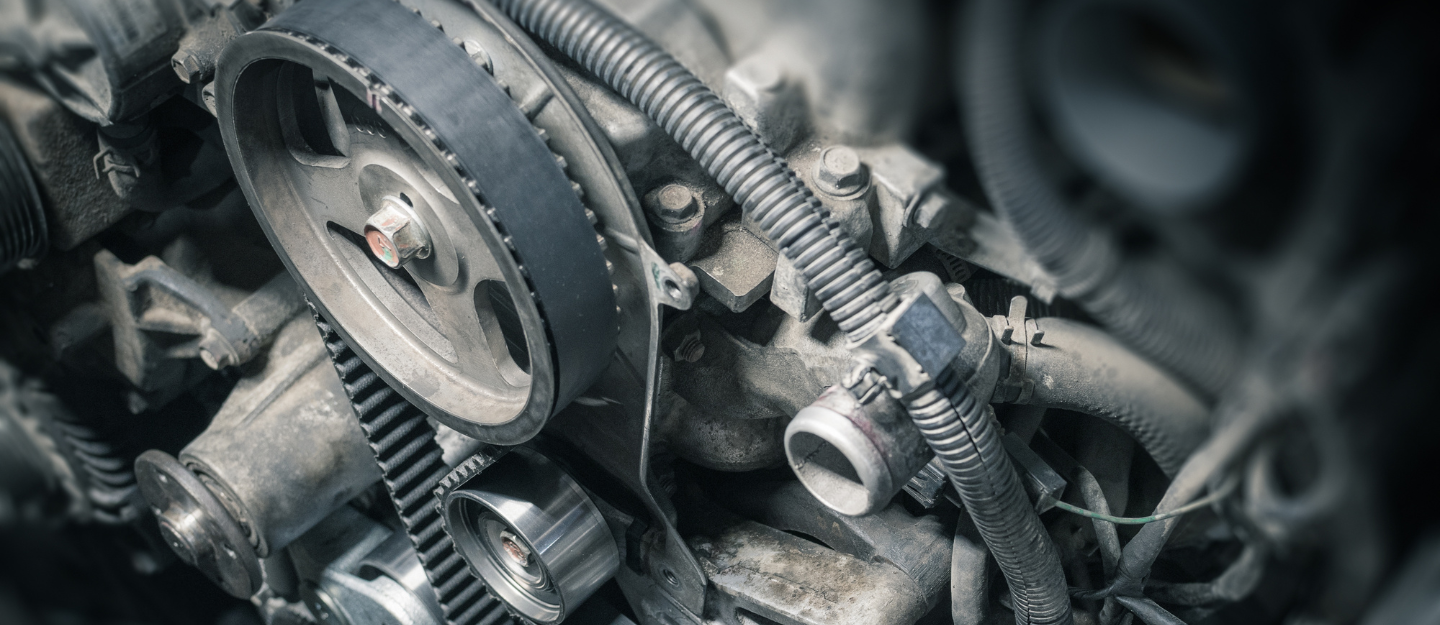
The timing belt is one of the most critical components in an internal combustion engine. When the timing belt becomes problematic, it can cause mechanical damage, which may lead to costly repairs. However, understanding the common causes, symptoms and preventive measures can help vehicle owners avoid unexpected breakdowns.
Common Causes of causes of timing belt failure
Here are some common causes of timing belt damage and how to fix them:
Normal Wear and Ageing
Timing belts are manufactured from reinforced rubber materials to withstand high stress and heat. However, over time, repeated heat cycles and constant mechanical load cause the belt to harden, lose elasticity and develop cracks. Even vehicles with low mileage are susceptible, as age alone can weaken the belt’s structure and reduce its effectiveness.
Vehicle manufacturers recommend timing belt replacement intervals based on engine design and testing. If the belt operates beyond its intended lifespan, it greatly increases the risk of failure. Many timing belt breakdowns occur not due to defects, but due to delayed or neglected maintenance.
Fix
Proper installation by trained technicians is essential. Accurate alignment and tensioning ensure correct engine timing and optimal performance after replacement. Furthermore, when replacing the belt, it is recommended to replace associated components such as the tensioner, idler pulleys and water pump. This improves balanced operation and prevents future failures caused by worn supporting parts. Also, a timing belt is one
Oil Contamination or Coolant Leaks
Oil leaks from camshaft or crankshaft seals can contaminate the timing belt. Oil weakens the rubber compound, causing the belt to soften, swell, or slip on the pulleys. This contamination accelerates wear and can lead to belt failure if not addressed promptly.

In many engines, the timing belt drives the water pump. When the water pump begins to leak, coolant can drip onto the belt. Coolant exposure degrades the belt’s internal fibres, reducing strength and increasing the likelihood of premature failure.
Fix
Any oil or coolant leaks near the timing belt must be repaired immediately. Eliminating contamination sources helps preserve the integrity of the new belt and extends its service life.
Worn or Faulty Tensioners and Pulleys
The timing belt system relies on tensioners and idler pulleys to maintain proper belt alignment and tension. If these components wear out, they place uneven stress on the belt. This can cause accelerated wear, belt slippage or tooth damage, even if the belt itself appears intact.
Fix
When replacing the belt, it is recommended to replace associated components such as the tensioner, idler pulleys and water pump. This improves balanced operation and prevents future failures caused by worn supporting parts.
Poor-Quality Parts or Improper Installation
Installing low-quality aftermarket timing belt kits or using incorrect installation techniques can cause problems. Improper tensioning or misaligned timing marks lead to incorrect valve timing and early belt failure.
Fix
The most effective solution is replacing the timing belt before it fails. Preventive replacement according to manufacturer guidelines is far more cost-effective than repairing engine damage caused by belt failure.
Common Timing Belt Issues in Cars
Timing belt noises and issues refer to the mechanical problems that occur within the belt system as a result of the causes outlined above. These issues may develop gradually or appear suddenly.
Timing Belt Stretching
Over time, the timing belt can stretch slightly due to continuous tension and heat exposure. Even minimal stretching can reduce operational efficiency, causing performance issues.
Tooth Wear or Tooth Loss
The teeth on the timing belt are responsible for maintaining synchronisation with the engine pulleys. Worn or broken teeth can cause the belt to slip, resulting in incorrect valve timing.
Incorrect Engine Timing
Any of the above issues can result in improper synchronisation between the camshaft and crankshaft. Incorrect timing affects combustion efficiency and can lead to severe internal engine damage if not corrected.
In extreme cases, the timing belt may snap entirely. When this happens, the engine immediately stops running. In interference engines, this often results in bent valves, damaged pistons and extensive repair requirements.
Symptoms of Timing Belt Problems
While timing belt problems occur internally, they often present noticeable symptoms to the driver. Common warning signs of timing belt failure include:
- Engine misfires or rough idling
- Ticking or clicking noises from the engine bay
- Difficulty starting the engine
- Noticeable loss of power
- Reduced fuel efficiency
- Check engine light illumination
- Sudden engine shutdown while driving
FAQs
Can I drive with a failing timing belt?
Driving with a worn or damaged timing belt is highly risky. Failure can occur without warning and may result in severe engine damage.
Will a broken timing belt ruin the car engine?
Yes, a broken timing belt can severely damage or completely ruin an engine, especially in interference engines where valves and pistons can collide.
Can a timing belt affect acceleration?
Yes, a worn or slipping timing belt can affect acceleration by throwing off engine timing, resulting in reduced power and sluggish performance.
These were some of the most common timing belt problems, causes and their fixes. Such problems can lead to engine damage if ignored. Regular inspections, timely replacement and proper installation are essential to avoid sudden breakdowns and costly repairs.
However, if you’re facing such car issues every now and then, a vehicle change is viable. Browse through these new cars for sale in the UAE to pick your next ride.
For expert car care advice, tips and more, keep reading dubizzle’s autos blog.
Related Posts