The quest for speed has been a driving force in automotive engineering since the beginning of the automobile. Over the decades, manufacturers have pushed the boundaries of technology and design to create fast vehicles that redefine the speeding standards. Let’s explore the evolution of the fastest cars in the world and how they have shaped the future of high-performance engineering.
History of the Fastest Production Cars
The race to build the fastest car began in the early 20th century, but the official records for production cars became widely recognised after 1949. Below is a detailed timeline of fastest cars that held the title from 1949 to today.
1949: Jaguar XK120 – 200 km/h
The Jaguar XK120 became the fastest production car in 1949 with a top speed of 200 km/h. It had a 3.4-litre inline-six engine and a light aluminium body. The XK120 was stylish, elegant and affordable for a sports car. It had excellent handling for its time. Many racing drivers praised it for speed and comfort. It set the tone for British sports cars for years.
1955: Mercedes-Benz 300SL – 242.9 km/h
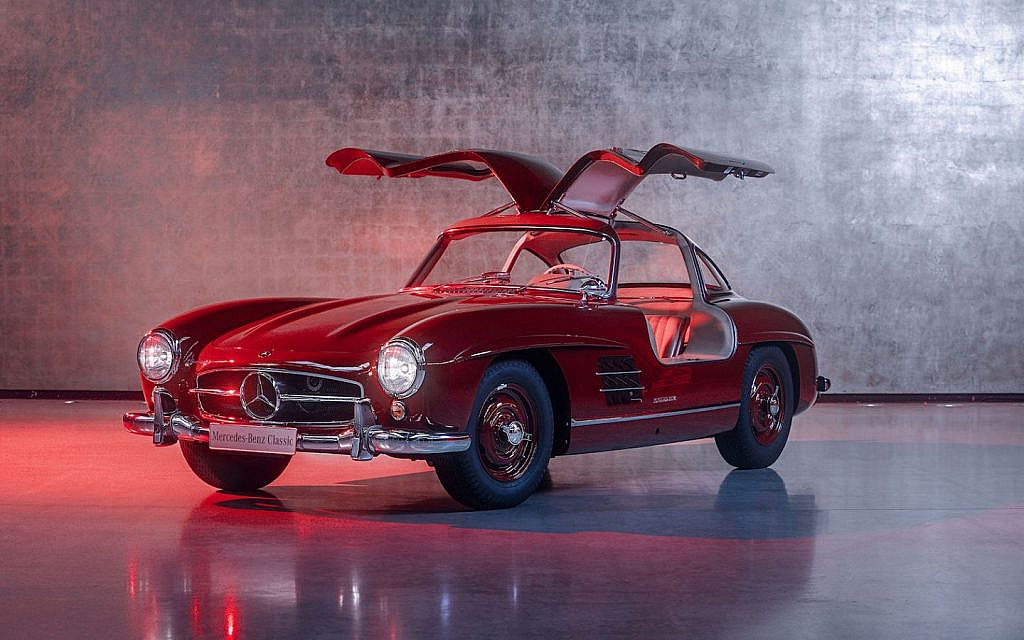
In 1955, the Mercedes-Benz 300SL became the fastest car in the world, reaching 242.9 km/h. It had a 3.0-litre straight-six engine with direct fuel injection. Its famous gullwing doors gave it a unique look. The body was made from lightweight steel and aluminium and it had strong brakes with good road balance. The 300SL was fastest for its time and marked a turning point for performance road cars.
1959: Aston Martin DB4 GT – 245 km/h
The Aston Martin DB4 GT reached a top speed of 245 km/h, powered by a 3.7-litre engine designed for racing performance. It was shorter and lighter than the standard DB4, offering impressive acceleration and precise handling. The interior combined leather and wood, reflecting both luxury and sportiness. Handmade with meticulous attention to detail, the DB4 GT also gained recognition in racing events.
1963: Iso Grifo GL 365 – 249 km/h
The Iso Grifo GL 365 reached 249 km/h using an American 5.4-litre V8 engine. This Italian-made car combined Italian design with American muscle. It featured a long bonnet, sharp lines and a luxurious interior. Designed for high-speed stability and long-distance comfort, it catered to buyers seeking both performance and comfort. Limited production made it rare and its cross-cultural design made it famous.
1965: AC Cobra MK III 427 – 264 km/h
The AC Cobra MK III 427 reached a top speed of 264 km/h, powered by a 7.0-litre V8 engine sourced from Ford. Its lightweight body and high power made it exceptionally fast. The car was challenging to handle due to its performance, but it offered a raw driving experience. Its design featured bold curves and the engine produced a distinct, loud sound. Known for its success on both roads and racetracks, the Cobra became an iconic performance car.

1967: Lamborghini Miura P400 – 275 km/h
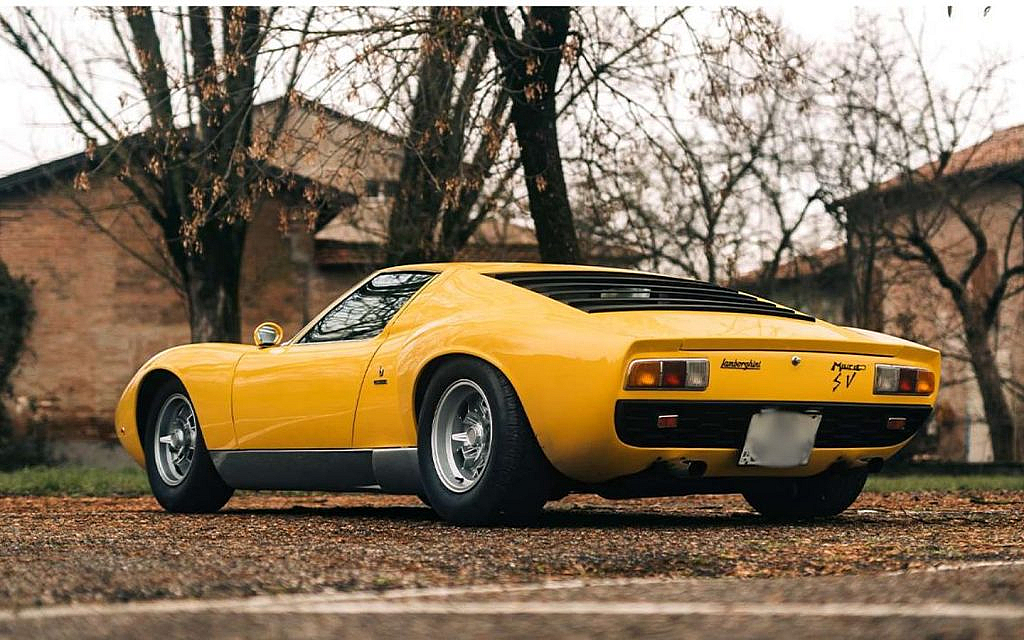
The Lamborghini history is full of iconic cars and the Miura P400 was one of them. The Lamborghini Miura P400 reached a top speed of 288 km/h, powered by a 4.0-litre V12 engine located behind the seats. Its mid-engine layout revolutionised supercar design. The car featured smooth curves, wide arches and a low stance, setting new standards for both speed and aesthetics.
1968: Ferrari 365 GTB/4 Daytona – 280 km/h
The Ferrari 365 GTB/4 Daytona reached a top speed of 280 km/h, powered by a front-mounted 4.4-litre V12 engine. Its design featured a sharp nose and long bonnet. The Daytona balanced racing power with road comfort, offering stability at high speeds. Named after Ferrari’s 1967 Daytona win, it was known for its smooth performance.
1969: Lamborghini Miura P400S – 288.5 km/h
The 1969 Lamborghini Miura P400S featured a 3.9-litre V12 engine, producing 370 hp and 389 Nm of torque. With four Weber carburettors and higher-lift camshafts, it reached a top speed of 288.5 km/h. The car maintained the Miura’s mid-engine layout, steel chassis and 5-speed manual transmission, with a 0-100 km/h time of 4.5 seconds. Suspension included double wishbones and coil springs, while disc brakes handled stopping power.
1982: Lamborghini Countach LP500 S – 293 km/h
The 1982 Lamborghini Countach LP500 S featured a 4.8-litre V12 engine, producing 375 hp, enabling a top speed of 293 km/h. Its design included wide body panels, scissor doors and sharp angles. The car had large tyres for improved grip but lacked power steering. With a 0-100 km/h time of 5.4 seconds, it was a performance-focused car that required precision to drive.
1983: Ruf BTR – 306 km/h
The 1983 Ruf BTR, based on the Porsche 911, reached a top speed of 306 km/h. It featured a 3.4-litre turbocharged flat-six engine, producing 374 bhp. Ruf modified the gearbox, suspension and body panels for improved performance, maintaining the 911’s iconic look. The car was designed for speed enthusiasts and had enhanced power over the standard 911.
1986: Porsche 959 – 319 km/h
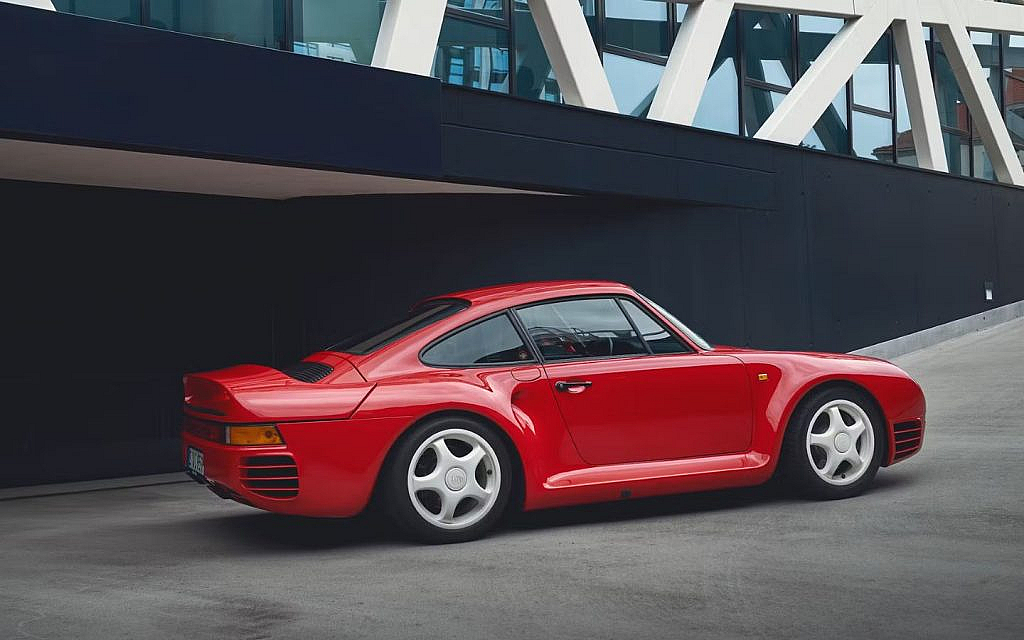
The 959 is an iconic car in Porsche history, known for its groundbreaking performance and technology. With a 2.85-litre twin-turbocharged engine, it reached a top speed of 319 km/h. It featured an all-wheel drive, adjustable suspension and a computerised control system.
1987: Ruf CTR ‘Yellowbird’ – 343 km/h
The 1987 Ruf CTR, also known as the Yellowbird, reached a top speed of 343 km/h. Based on the Porsche 911 Carrera 3.2, it featured a heavily modified 3.4-litre twin-turbocharged flat-six engine producing 469 hp. Ruf reduced weight by replacing steel panels with aluminium and deleting non-essential equipment. The CTR used a five-speed manual gearbox developed in-house and upgraded brakes and suspension for high-speed stability.
1993: McLaren F1 – 355 km/h (Limited) / 386 km/h (Unrestricted)
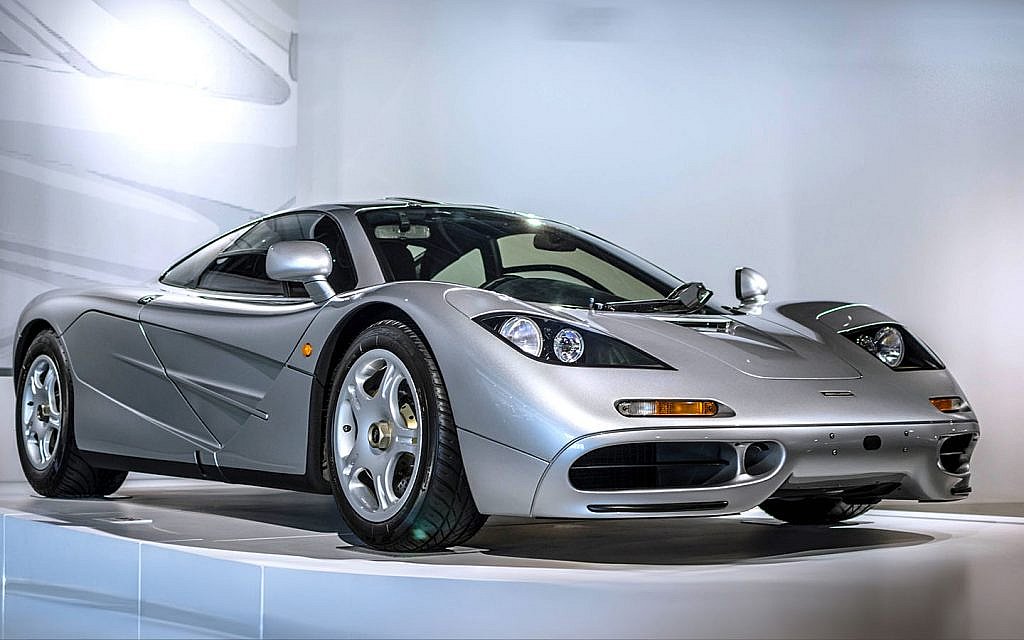
The McLaren F1, introduced in 1992, reached a top speed of 386 km/h with its 6.1-litre naturally aspirated V12 engine developed by BMW. It featured a central driving position with two passenger seats on either side. The body was made from carbon fibre-reinforced polymer, keeping the weight around 1,138 kg. A six-speed manual gearbox and rear-wheel drive layout delivered top-notch performance. It had no driver aids like ABS or traction control.
2005: Bugatti Veyron EB 16.4 – 407 km/h
The 2005 Bugatti Veyron EB 16.4 reached a top speed of 407 km/h. It was powered by an 8.0-litre quad-turbocharged W16 engine producing 1,001 hp. The car used a seven-speed dual-clutch transmission and permanent all-wheel drive. Curb weight was around 1,888 kg, with extensive use of carbon fibre and aluminium. It featured active aerodynamics and a hydraulic rear wing for improved high-speed stability. One cool fact about Bugatti Veyron is that its cooling systems includ 10 radiators for the engine, transmission and differential. Tyres were specially developed to handle extreme speeds. The Veyron underwent high-speed testing in Ehra-Lessien and became the first production car to officially exceed 400 km/h.
2007: SSC Ultimate Aero – 412.3 km/h
The 2007 SSC Ultimate Aero reached a top speed of 412.3 km/h, verified during independent testing. It was powered by a twin-turbocharged 6.3-litre V8 engine producing 1,183 hp. The car used a rear-wheel-drive layout with a six-speed manual transmission. Curb weight was kept low at around 1,250 kg due to a carbon fibre and aluminium body.
2010: Bugatti Veyron 16.4 Super Sport – 431 km/h
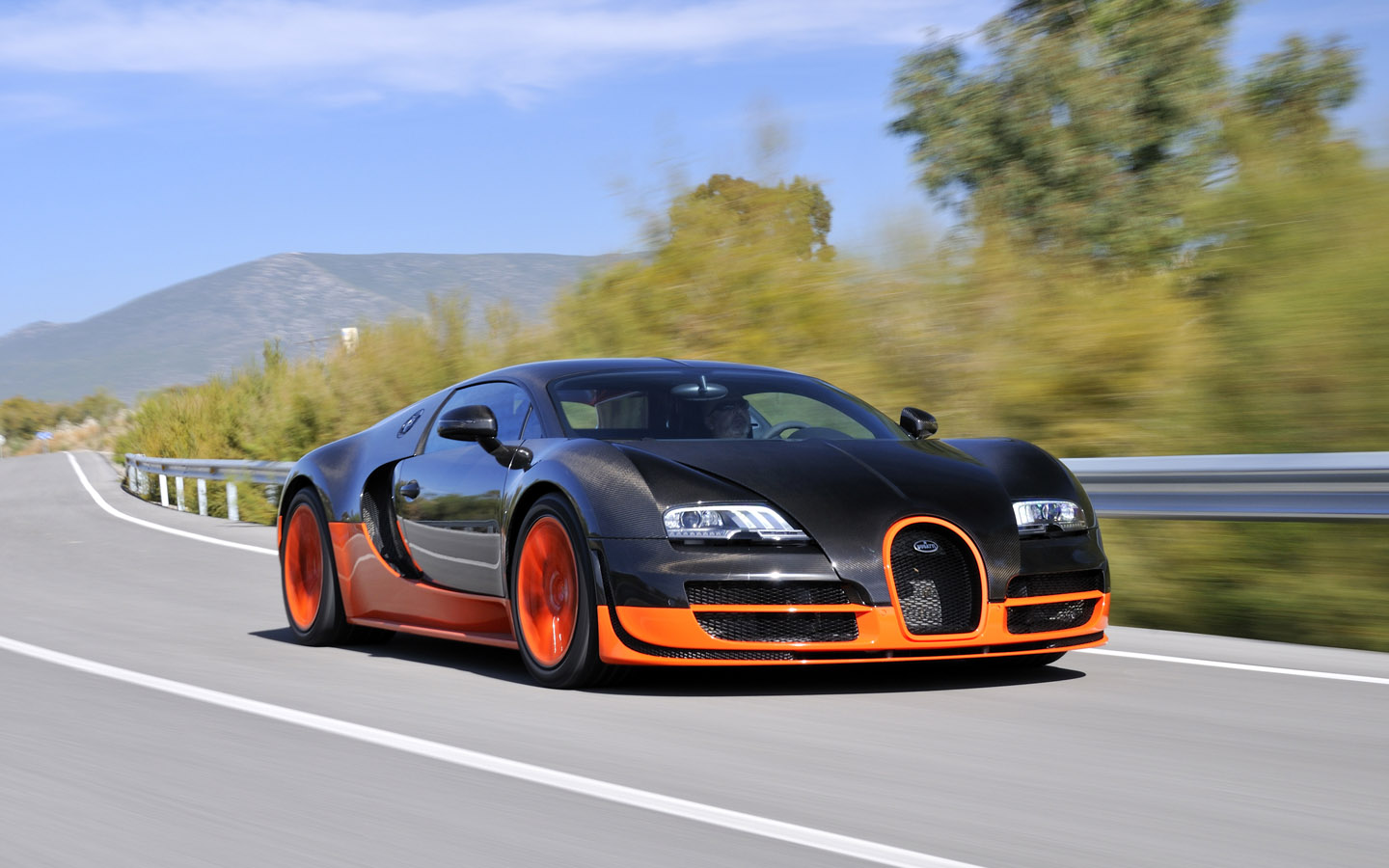
The 2010 Bugatti Veyron 16.4 Super Sport achieved a top speed of 431 km/h. It used an upgraded 8.0-litre quad-turbocharged W16 engine producing 1,200 hp and 1,500 Nm of torque. Modifications included larger turbos, reinforced components and revised aerodynamics for improved high-speed performance. The body structure was made from carbon fibre to maintain strength and reduce weight. It featured an advanced all-wheel-drive system, a seven-speed dual-clutch gearbox and adaptive suspension.
2014: Hennessey Venom GT – 435.3 km/h
The 2014 Hennessey Venom GT recorded a top speed of 435.3 km/h during a test at Kennedy Space Centre. It was powered by a 7.0-litre twin-turbocharged V8 engine producing 1,244 hp and 1,565 Nm of torque. Built on a heavily modified Lotus Exige chassis, it weighed around 1,244 kg, giving it a 1:1 power-to-weight ratio.
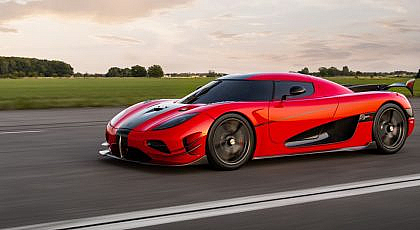
2017: Koenigsegg Agera RS – 447.2 km/h
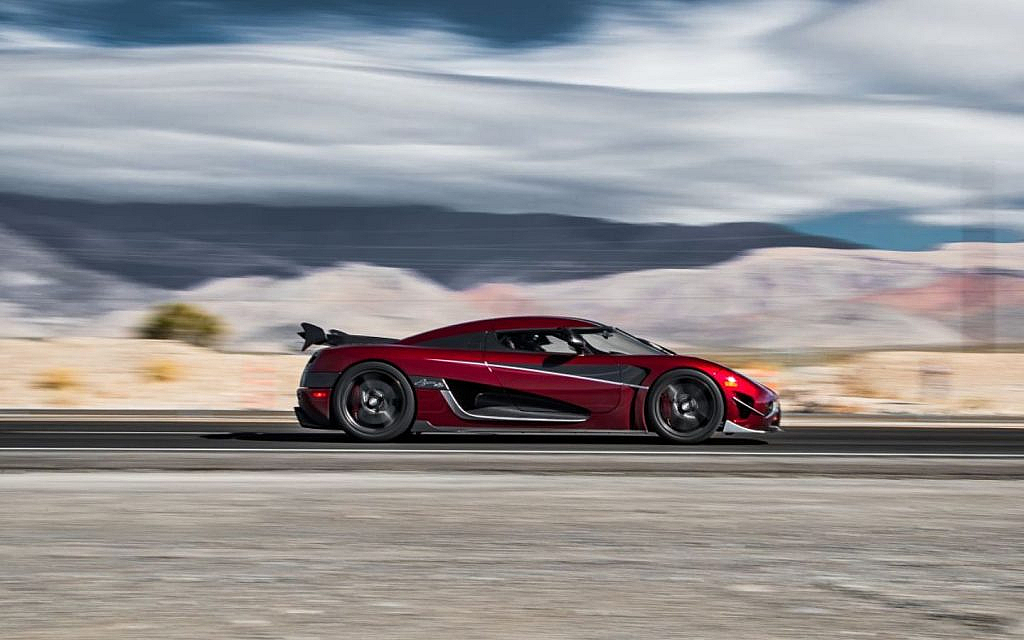
The Koenigsegg Agera RS broke records with a 447.2 km/h top speed. It had a 5.0-litre twin-turbo V8 engine with advanced aerodynamics and lightweight materials. It had active rear wings and strong brakes. It also broke records for fastest time to 0–400–0 km/h. This car came with advanced technology and modern safety features.
FAQs
Which car first crossed the 300 km/h mark among record-breaking supercars?
The Porsche 959, released in 1986, was among the first production cars to officially cross 300 km/h, reaching 319 km/h.
Why is the McLaren F1 so iconic in top speed history?
The McLaren F1 reached 386 km/h in 1993 without turbos or electronic aids. It was the fastest naturally aspirated car for many years.
Can the Bugatti Chiron go faster than 420 km/h?
Yes, it has the power to go faster, but its speed is limited to 420 km/h for safety reasons, mainly due to tyre limitations.
Did Bugatti ever break the 300 mph barrier?
Yes, the Chiron Super Sport 300+ reached 490.48 km/h (304.77 mph) in 2019, but the production version is still speed-limited.
The list of fastest cars by year shows the continuous progress in speed and design. Each car on the list pushed the limits of performance for its time. From the early Jaguar XK120 to the Koenigsegg Agera RS, these vehicles reflect advancements in technology and engineering. The supercar speed evolution is a clear example of how car manufacturers constantly strive to improve speed and overall performance.
If you find these cars interesting and want to buy a fast car for yourself, browse these used cars for sale in the UAE.
Stay tuned to the UAE’s top autos blog for more information on the fastest cars in the world.
Cover image credits: Koenigsegg.com
Related Posts