- Why Does the Fuel Cap Get Swollen
- Signs of a Stuck Fuel Cap
- What to Do If the Fuel Cap Is Stuck
- When to Replace the Fuel Cap
- How to Prevent Fuel Cap Problems
- FAQs
Driving in the heat comes with many problems no matter how advanced a vehicle may be. One such problem is that of a swollen or stuck fuel cap. If you’ve ever experienced this problem, you are not alone. This is a common problem but it can be fixed easily. Let’s examine why a fuel cap gets stuck, what it means for your vehicle and what can be done to fix or prevent this problem.
Why Does the Fuel Cap Get Stuck or Swell in Hot Weather
A stuck fuel cap in hot weather becomes rigid and difficult to open, no matter how hard you try. Typically, this problem arises when temperatures soar high, causing the vehicle components to expand. The plastic and rubber seals in the fuel cap can swell or stick, making it hard to remove. These are the main reasons your fuel cap may get stuck or feel swollen.
- Thermal expansion: Heat causes the plastic cap and the fuel filler neck to expand. This makes it harder to twist or remove.
- Pressure build-up: Hot weather increases the pressure inside the fuel tank, which can create suction around the cap.
- Worn rubber gaskets: Heat can degrade the sealing ring on the cap. This causes it to lose flexibility and stick to the filler neck.
What are the Signs of a Stuck Fuel Cap in Hot Weather
These are the common symptoms of a bad fuel cap to watch for in severe heat:
- The cap feels hard to turn or won’t open easily
- It feels unusually tight or seems stuck when twisting
- The check engine light comes on, often linked to the EVAP (evaporative emissions) system
- You hear a hissing noise when removing the cap, caused by built-up pressure escaping
What to Do if Your Fuel Cap Is Stuck
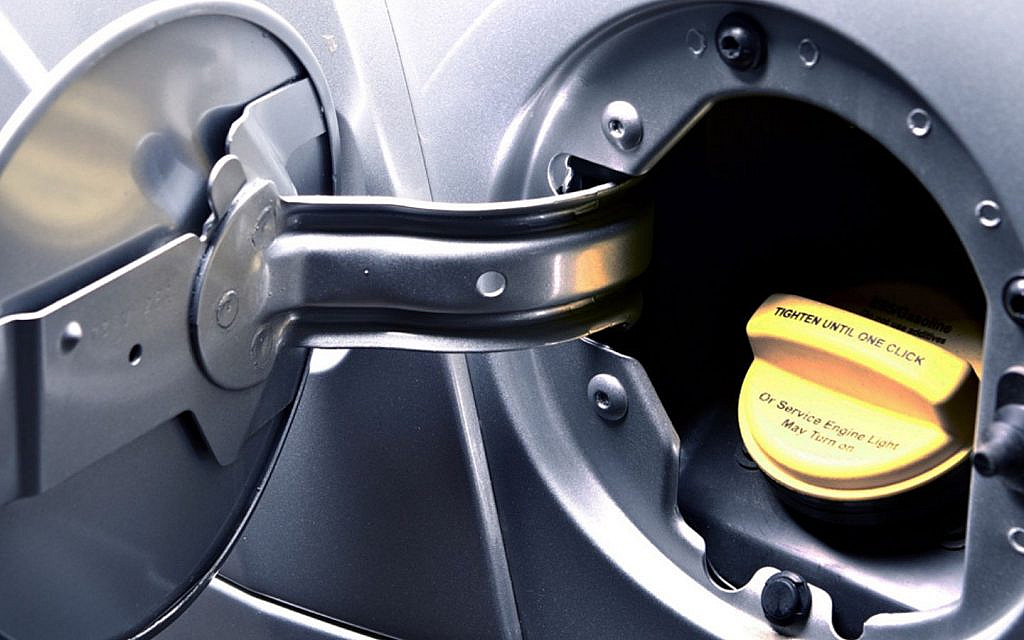
If your fuel cap refuses to turn, especially on a hot day, you’re likely dealing with heat-related expansion or pressure build-up. Don’t force it—this can lead to damage. Instead, try the following simple steps to free it up safely:
1. Let the Car Cool Down
Start by giving your vehicle a chance to cool off. Park it in a shaded spot or wait for the temperature to drop a bit. As things cool down, the expansion reduces and the cap may loosen naturally.

2. Use a Towel or Rubber Grip
If the cap still won’t budge, grab a towel or rubber jar opener for a better grip. This gives you more control without slipping. Avoid using pliers or tools—they can crack the cap or scratch the paint.
3. Apply Gentle Pressure
Press down lightly on the fuel cap while turning it. This can help release the vacuum seal caused by heat and pressure inside the tank.
4. Lubricate the Threads (If the Cap Is Turning but Stuck)
If the cap is turning but still won’t come off easily, apply a small amount of silicone-based lubricant around the threads to reduce friction. Avoid petroleum-based products—they can damage the rubber seals.
When buying a used car in the UAE, it’s also a good idea to check the fuel cap and tank components to avoid issues like these.
When to Replace the Fuel Cap
In some cases, the problem isn’t just heat. It’s wear and tear. If your fuel continues to stick even in normal weather conditions, it’s likely time for a replacement.
A damaged fuel cap can lead to:
- Dashboard warning lights, especially the ones related to emissions
- Fuel evaporation, which can lower efficiency
- Increased emissions, which affect your vehicle’s environmental performance
When replacing, go for a cap that’s specifically made for your car’s make and model. A loose or ill-fitting fuel cap can cause more problems in the long run.
How to Prevent Fuel Cap Issues in Hot Weather
While you can’t escape the summer heat, a few small habits can help prevent the fuel cap from swelling or sticking in the first place:
- Park in the shade whenever possible to reduce heat exposure.
- Don’t overtighten the cap—turn it until it clicks once or twice and stop there.
- Inspect the rubber seal regularly for any signs of cracking or dryness.
- Wipe off dirt and dust from the cap and filler neck area to keep the seal clean and working smoothly.
FAQS
Why does my fuel cap get stuck after driving in the heat?
The fuel tank and cap expand due to high temperatures. This creates pressure or suction that makes the cap harder to turn.
What causes a fuel cap to swell in hot weather?
Heat can cause the plastic and rubber components in the cap to expand or soften, causing it to get swollen or stuck.
Is it dangerous to force open a swollen fuel cap?
Yes. Forcing the fuel cap open can damage the cap, seals or filler neck and may lead to fuel leaks or issues with the vapour system.
A swollen or stuck fuel cap might seem like a small issue, but it can affect how your car performs. It can have a negative impact on your vehicle’s fuel system. During the peak summer months, keeping an eye on this little component can save you from bigger headaches down the road.
If the problem persists, consider consulting a mechanic to ensure there’s no underlying issue with your vehicle’s fuel or emissions system. And, if you’re thinking to switch vehicles altoghether, go through this list of new cars for sale in the UAE.
Stay tuned to dubizzle cars blog for more on different car part issues and their solutions.
Related Posts