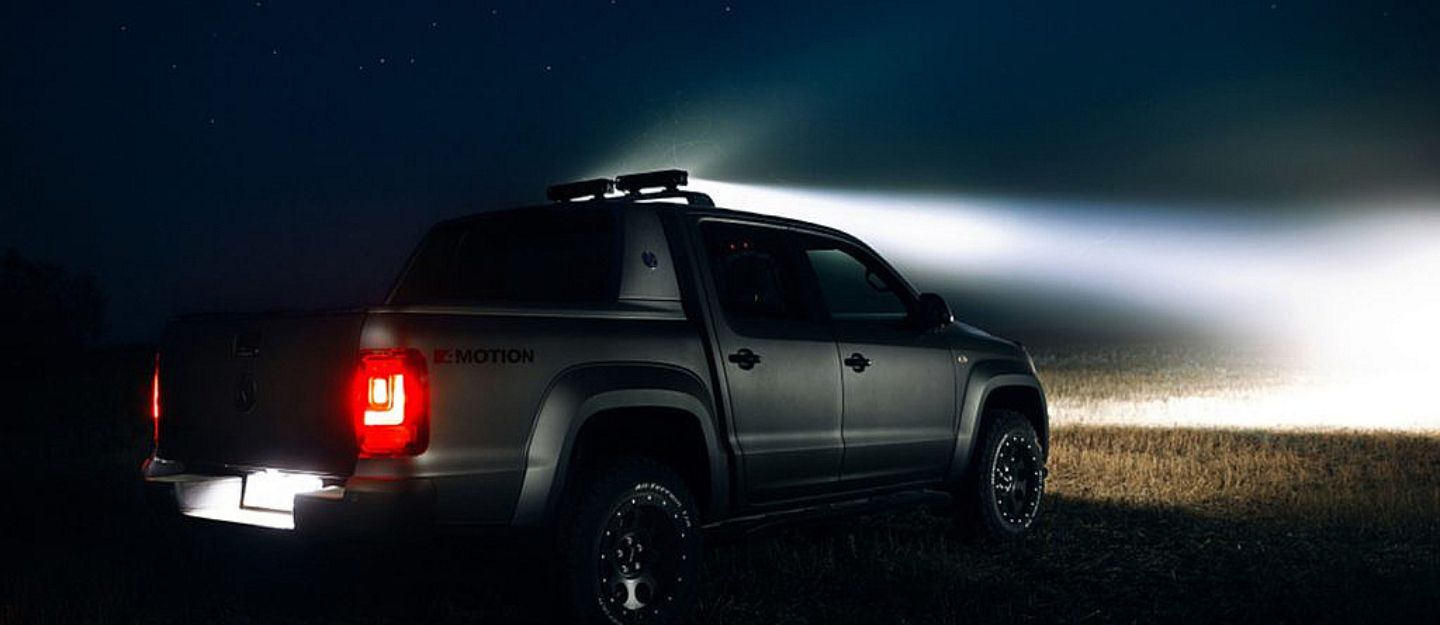
Headlights are one of the most important safety features in any vehicle. They not only help drivers see clearly at night but also make sure other road users can see the car approaching. Among the two types of headlight settings – high beam and low beam – each serves a specific purpose and knowing when to use them is essential for safe driving.
Knowing the differences between high beam vs low beam headlights in cars and their functions helps drivers use them correctly. Understanding the difference also helps improve visibility and ensures safer driving conditions for everyone on the road.
Difference Between High Beam and Low Beam Headlights
Understanding the importance of car lights is essential for every driver. In the UAE, headlights play a vital role in ensuring safe driving by providing clear visibility in varying weather and road conditions. Modern vehicles come with both high and low beam settings, allowing drivers to adjust the intensity and angle of light depending on their surroundings.
What Are High Beam Headlights
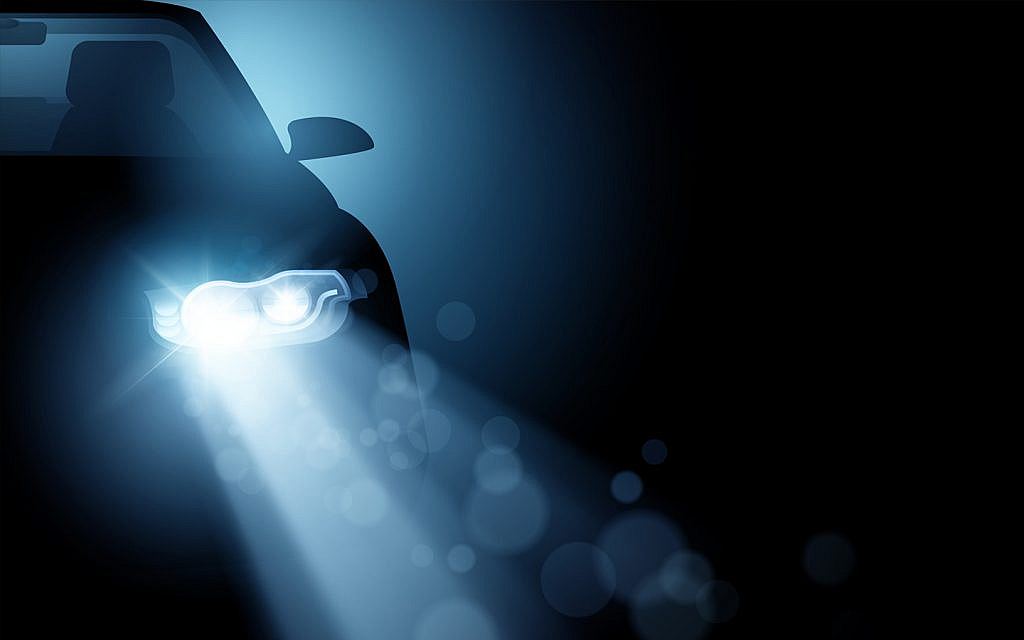
High beams, also called ‘full beams,’ provide a powerful, focused beam of light that travels a longer distance. The type of car headlight emits a powerful, focused light that can illuminate the road up to 200 to 300 metres (around 650 to 1000 feet) ahead. They produce one of the brightest lights on the car and are aimed straight or slightly upwards to cover long distances.
When to Use High Beam Headlights
High beam headlights in cars are designed for maximum illumination but must be used with caution. You should switch to high beams in these cases:
- Dark, rural roads: Areas without streetlights or traffic.
- Highways at night: Only if no other cars are directly ahead or approaching.
- Poorly lit areas: To spot road signs, hazards or animals on the road.
However, it’s important to dip your lights (switch back to low beams) as soon as another car approaches or if you’re driving behind someone.

Key Features of High Beams
Here are some key features that define how high beams work and perform:
- High intensity & range: Produce a powerful, concentrated light designed to illuminate far down the road.
- Placement in headlight assembly: Usually located in the inner part of the headlight assembly.
- Common bulb types: Often use bulb types such as 9005, H1, H7 and 9011.
- Beam pattern: Optimised for distance but does not illuminate nearby road edges as effectively as low beams.
What Are Low Beam Headlights
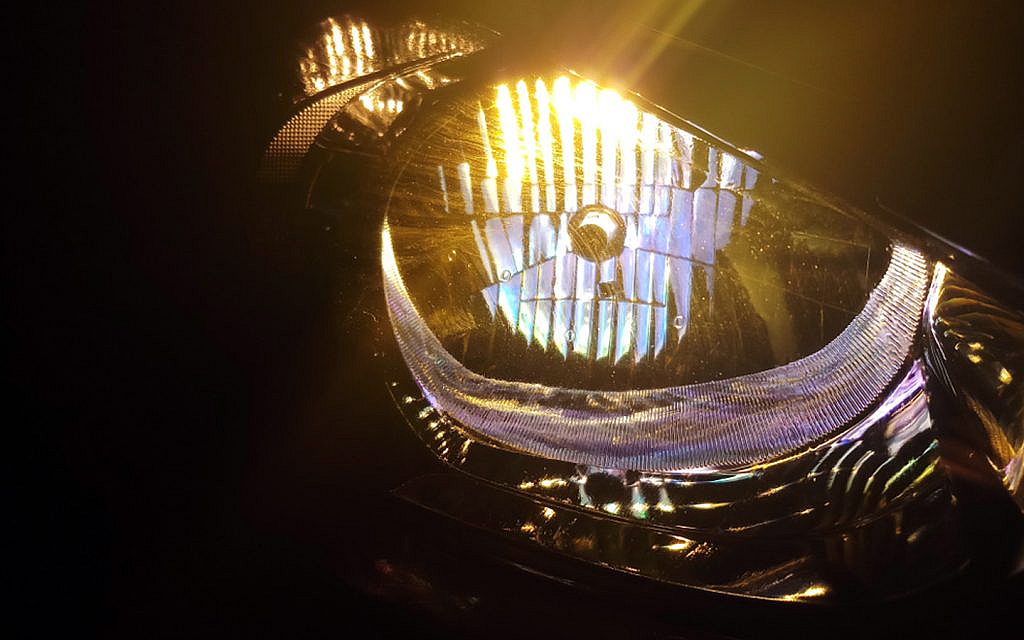
Low beam headlights, also known as ‘dipped beams,’ are the most frequently used lighting mode for cars. They emit a softer, wider light that typically ranges from 40 to 100 metres (130 to 330 feet) ahead. The key characteristic of low beams is that their light is angled downwards towards the road, minimising glare for other drivers.
When to Use Low Beam Headlights
Low beams are the most commonly used headlight setting. You should use them in the following scenarios:
- City driving: Well-lit roads don’t require extra brightness.
- Heavy traffic: Prevents glare for vehicles ahead or approaching.
- Adverse weather: Rain, fog or snow requires dipped beams as high beams can reflect and reduce visibility.
- Daytime visibility: In some regions, daytime running lights or low beams are mandatory during the day to improve visibility.
Using low beams in these situations ensures both safety and compliance with traffic regulations.
Key Features of Low Beams
These key features define low beam headlights:
- Wide light spread: Produce a broader beam pattern that improves peripheral visibility without blinding other drivers.
- Balanced visibility: Designed to provide enough illumination while ensuring safety for oncoming traffic.
- Common bulb types: Some of the low beam bulb types include H11, 9006, H7 and HB4.
- Automatic headlights: Many modern cars come with systems that switch on low beams automatically in low-light conditions.
- Legal requirement: By law, low beams must be used whenever visibility is reduced and are mandatory for city driving at night.
High Beams vs Low Beams: The Main Differences
While both settings improve visibility, the difference lies in their range, spread and purpose:
| Feature | Low Beams | High Beams |
| Range | 40–100 metres | 150+ metres |
| Light Spread | Wider, angled downwards | Narrower, angled straight ahead |
| Best for | City driving, highways, traffic | Dark rural roads, highways without lights |
| Glare Impact | Minimal for other drivers | Can blind to oncoming drivers |
High Beam vs Low Beam Headlights: Cost Analysis
The cost of replacing high beam vs low beam headlights in Dubai varies based on the bulb type, vehicle model and whether you’re changing the bulb alone or the full headlight assembly. Low beam halogen bulbs are usually the cheapest, priced around AED 50 to AED 200 per bulb, while LED or Xenon high beam bulbs can range from AED 300 to AED 2,000 per bulb.
For premium cars, particularly those with adaptive or multi-beam LED headlights, replacement costs can go as high as AED 3,000 to 4,500 for a full assembly. Labour charges in Dubai also vary, typically between AED 50 and AED 500, depending on the workshop. Before you enjoy the benefits of upgrading the car lighting system, make sure you analyse the legalities and costs.
If you’re planning to replace or upgrade your headlights, this detailed car headlight buying guide will help you understand the different types, features and factors to consider before making a purchase. Once you’ve decided on the right option, you can also browse through a variety of car headlights for sale on dubizzle to find one that fits your car and budget.
Safety Tips for Using Headlights Correctly
To make the most of your headlights and ensure safe driving:
- Always switch to low beams when approaching oncoming vehicles or following another car closely. This reduces glare and prevents temporarily blinding other drivers.
- Use high beams only on empty, unlit roads where you need maximum visibility and can safely do so without affecting others. As per the high-beam headlights rules in the UAE, misusing headlights, including blinding other drivers with high beams, can result in traffic fines under UAE driving laws.
- In fog, rain or snow, stick to low beams. High beams can reflect off moisture particles and create glare, reducing visibility.
- Check your headlights regularly to ensure bulbs are functioning well and properly aimed. Misaligned high beams can unnecessarily blind other drivers.
- Upgrade to LED or HID bulbs compatible with your car’s headlight system for improved brightness and energy efficiency. Different bulb types work better for high and low beams.
FAQs
What is the difference between high beams and low beams?
High beams provide a long, narrow beam of intense light for dark, unlit roads, while low beams give a shorter, wider beam designed for city driving and to avoid blinding other drivers.
When should I use high beams while driving?
Use high beams on dark highways, rural roads or areas without streetlights when no other vehicles are ahead or approaching.
Why are low beams safer in city driving?
Low beams spread light across the road without blinding oncoming drivers, making them safer for well-lit urban areas and traffic.
What happens if I use high beams incorrectly?
Incorrect use of high beams can blind other drivers, reduce their reaction time and increase the risk of accidents.
High beams and low beams are designed to complement each other. Low beams are your go-to for daily driving in cities, traffic or bad weather, while high beams are reserved for dark, empty roads where you need maximum visibility. Misusing headlights can endanger both you and other drivers, which is why understanding the difference is crucial.
Modern vehicles now come with advanced lighting systems that adapt to different driving conditions, such as automatic high-beam assist, LED technology and adaptive headlights. These features not only improve visibility but also enhance road safety for all drivers. If you’re planning to upgrade, you can explore a wide range of used cars in the UAE equipped with modern headlight technologies, offering both performance and safety benefits.
Stay tuned to the dubizzle’s car blog to know more about car headlights.
Related Posts