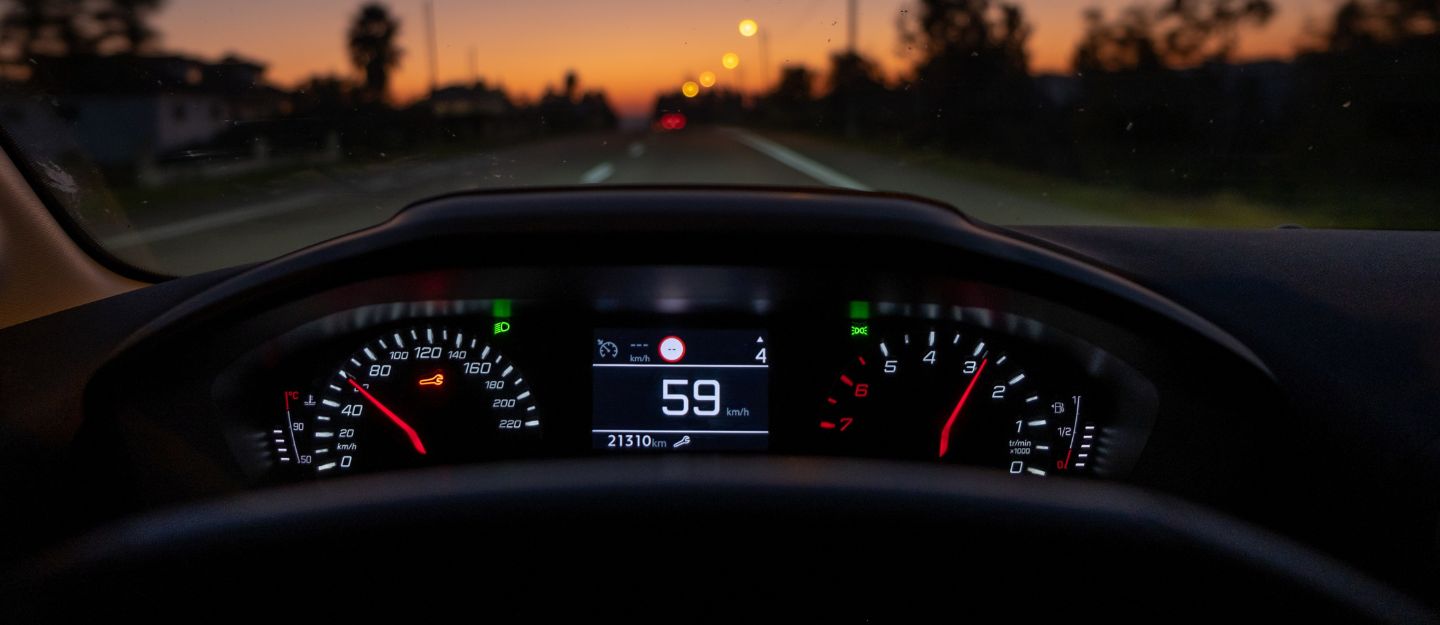
The speedometer is an integral part of your vehicle as it provides real-time information regarding your driving speed. It helps the driver maintain a speed within the legal limit, contributing to a safer driving experience.
Accurate speed reading is crucial to make smart driving decisions. Several factors, such as tyre modifications or mechanical degradation, affect the speedometer’s precision. Furthermore, inaccurate readings have the potential to impact the overall driving experience and compromise safety. This issue can be resolved by getting your speedometer calibrated.
All drivers must educate themselves on the importance of car speedometer calibration. To assist with that, we have gathered all the information regarding the speedometers’ working and calibration process. Let’s explore the key details that you should know.
Car Speedometer Working Principle
Your car’s speedometer determines the speed you’re maintaining. This metre can either be in digital form or the traditional needle dial form, depending on your car’s model.
The traditional speedometers rely on magnetism to measure the speed of a moving car. On the other hand, digital ones consist of a sensor that determines speed via electric pulses. This information is then sent to the speedometer display to update the driver about the car’s speed.
Understanding Speedometer Calibration
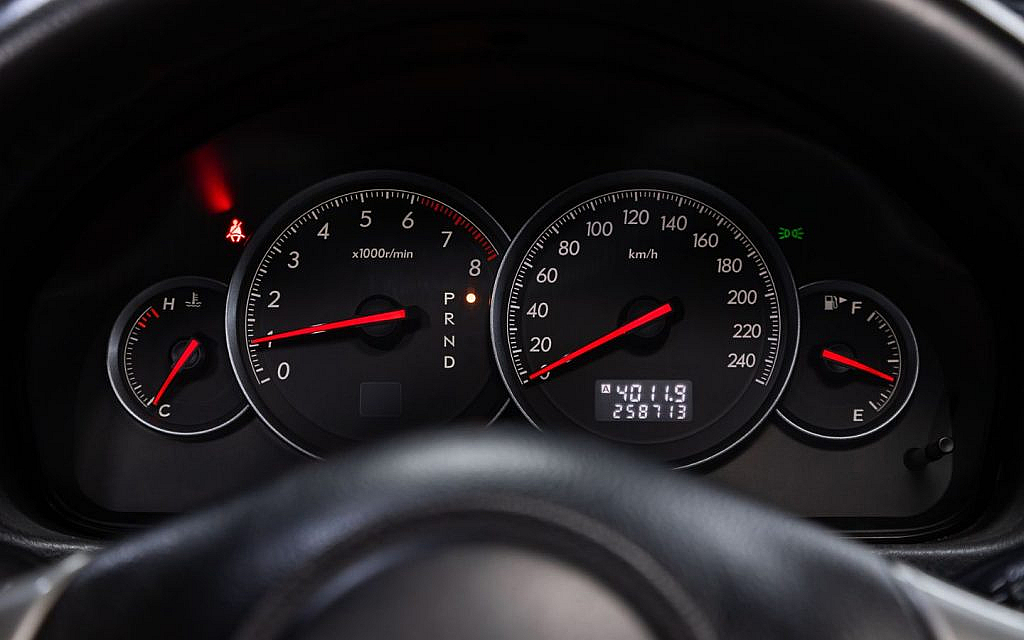
Like every other car part, speedometers are also prone to wear and tear. This causes the metre to display an incorrect speed. Furthermore, some symptoms of a faulty speedometer include issues with the Anti-lock Brake System (ABS), traction control system, and cruise control. Even in new vehicles, speed accuracy may vary by a small margin of 1-4 km/h.

Testing with a Dynamometer
To check the accuracy of your vehicle, you’ll need to get the speedometer tested by a professional. A technician conducts a dyno test to compare the readings’ differences.
Calibration Adjustment
The actual car speed is tested via a dynamometer. It measures speed by monitoring the car’s tyre rotations, gradually increasing the speed by 16km/h. The dynamometer reading and speedometer are compared to find out the difference. If there’s a significant difference, the technician will suggest calibrating the speedometer to fix the issue.
Factors Leading to Speedometer Inaccuracy
A variety of factors may cause speedometer inaccuracy, which can risk safety and impact the driving experience. Here’s a list of the factors that damage your speedometer and result in wrong speed readings.
Wear and Tear
Both electronic and mechanical speedometers are prone to wear and tear over time. Mechanical speedometers undergo degradation while the electronic sensors trap dirt, which causes them to malfunction.
Accidents
Accidents can significantly impact the speedometer, causing them to display incorrect readings. The collision’s effect can cause misalignment or damage that, as a result, affects the speedometer’s ability to measure speed.
Aftermarket Modifications
A car’s rims and tyres determine the speed at which the wheels rotate. A change in any car’s wheel size causes the speedometer to generate inaccurate readings. The speedometers in cars are calibrated to the car’s standard wheel size. It is essential to check your speedometer calibration when you add aftermarket parts or tyres to your vehicle.
Heavy Cargo
A vehicle’s wheel rotation speed can be reduced if it is carrying heavy loads, which can contribute to inaccurate readings from the speedometer. However, this issue fixes itself when the load is removed.
Importance of Speedometer Calibration
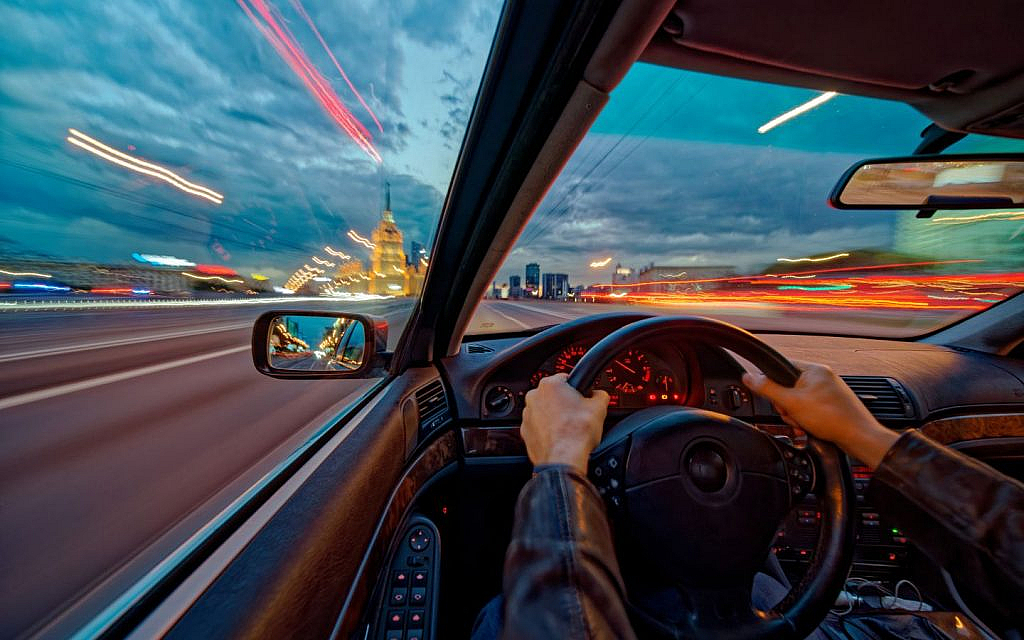
To ensure a safe driving experience, your vehicle’s speedometer needs to provide you with accurate readings. To understand the importance of calibrated speedometers, refer below:
Safety Risks
Accurate speed readings are essential to ensure a safe driving experience, particularly when driving at a high speed or in emergencies. A poorly calibrated speedometer’s readings hinder the driver’s ability to adapt to changes in road conditions.
Adaptability
Having a calibrated speedometer is crucial when driving in different road conditions. Its input helps drivers adapt to varying road conditions, enhancing safety and control.
Legal Consequences
Driving with an uncalibrated speedometer can lead to unintentional speeding, resulting in fines and black points. A calibrated speedometer provides accurate readings that help drivers stay within the legal speed limit in the UAE. It also helps reduce the risk of penalties.
FAQs
How often should a speedometer be calibrated?
There are no set standards for the frequency of speedometer calibration. It is recommended that your car’s speedometer accuracy be checked after adding aftermarket components.
What sensors control the speedometer?
The sensor that controls the speedometer is the Vehicle Speed Sensor (VSS). This sensor is responsible for measuring wheel speed or transaxle output.
How to test speedometer calibration?
To test the speedometer’s calibration, mechanics use a dynamometer. This device determines the vehicle speed accurately by measuring tyre rotation.
Having a complete understanding of speedometer calibration is critical for drivers to ensure safety. Apart from providing an exceptional driving experience, having a calibrated speedometer assists drivers in staying within the legal speed limits. All in all, keeping your car’s speedometer in check helps prevent legal issues and boost its overall performance.
Moreover, if your current ride is not delivering the desired performance, it may be time for an upgrade. Go through these used cars for sale in the UAE to select the option that fits your requirements. However, if you’re looking forward to buying a brand-new vehicle, explore these new cars for sale in the UAE.
Stay tuned to UAE’s top auto blog for more information on different car parts and their function.
Cover Image Credits: Vitor Miranda
Related Posts