
Seeing smoke rising from under a vehicle’s bonnet can be alarming, especially when the engine temperature appears normal. While overheating is a common cause of smoke, it is not the only explanation. In many cases, the issue originates from minor leaks, worn components or debris contacting hot engine parts. Identifying the source early can prevent further mechanical damage and reduce safety risks. Understanding the symptoms, causes and appropriate fixes for smoke coming from under the hood helps ensure the vehicle remains reliable and safe to operate.
Symptoms of Smoke Coming From Under the Hood

When smoke appears from under the bonnet without the car overheating, several signs may help identify the underlying issue.
- Light or moderate smoke rising from the engine bay
- A burning smell similar to oil, rubber or plastic
- Smoke appears shortly after starting or after driving for a short distance
- Visible fluid residue on engine components
- Occasional smoke that disappears after a few minutes of driving
These symptoms for smoke from the engine compartment indicate fluid contact with hot engine surfaces, minor leaks or debris burning off rather than a cooling system failure.
Causes
Smoke from under the hood can lead to greater issues. Typical causes for a vehicle emitting smoke but the engine is not hot, include:
Oil Leaking Onto Hot Engine Parts
Engine oil leaks are one of the most common causes of smoke under the bonnet. Oil may drip from a worn gasket, valve cover seal or oil filter and land on hot engine components such as the exhaust manifold. The oil burns on contact and produces visible smoke without affecting engine temperature.
Coolant Leak Without Overheating
A small coolant leak may create steam when coolant touches hot surfaces. This often appears as white smoke or vapour. Since the coolant loss may be minimal initially, the engine temperature gauge may still read within the normal range.

Spilt Fluids During Maintenance
Fluid spills during a car’s oil change or coolant top-up can burn off once the engine heats up. Residual oil or coolant left on engine components often produces temporary smoke until it evaporates completely.
Burning Debris in the Engine Bay
Leaves, plastic bags or road debris may become trapped inside the engine bay. When these materials contact hot parts such as the exhaust manifold, they can burn and produce smoke.
Worn Belts or Rubber Components
A slipping or damaged drive belt can create friction and generate smoke. The smell is usually similar to burning rubber. This issue may occur without affecting engine temperature or the car thermostat but can lead to further mechanical problems if ignored.
Electrical Wiring Issues
Damaged insulation, faulty wiring or other rewiring issues can produce smoke if electrical components overheat. Although less common, this situation requires immediate attention due to potential fire risk.
Fixes
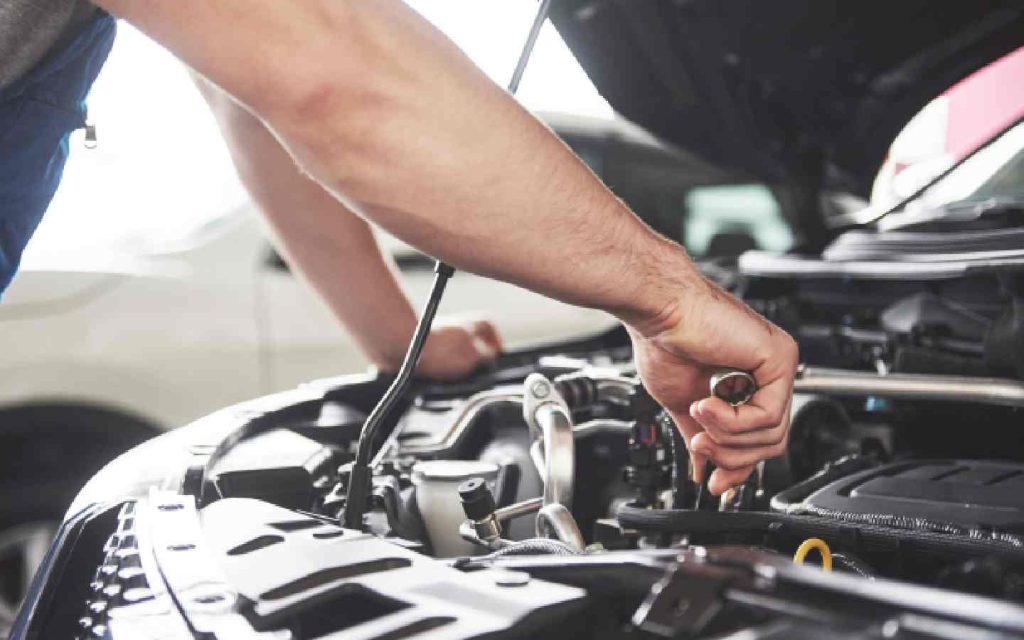
Smoke coming from under the hood can be fixed using the following methods:
Repair Oil or Coolant Leaks
Replacing worn gaskets, seals or hoses can stop fluids from contacting hot engine surfaces. Regular inspections help detect leaks before they worsen.
Identify the Source of the Smoke
A careful inspection of the engine bay can reveal fluid leaks, burnt debris or worn components. Locating the exact source of car cooling system leak is essential before attempting repairs.
Clean the Engine Bay
Removing spilt fluids and debris from the engine compartment prevents further smoke. Professional engine cleaning may be helpful if residue is widespread.
Replace Damaged Belts or Components
Worn drive belts, cracked hoses or deteriorated rubber parts should be replaced promptly. This helps prevent additional damage and eliminates smoke caused by friction or overheating materials.
Inspect Electrical Components
Electrical wiring and connectors should be checked for damage or exposed insulation. Faulty components must be repaired or replaced to avoid safety hazards.
FAQs
What is under the hood smoke diagnosis for a vehicle?
Under the hood, smoke diagnosis is the process of identifying the source and cause of smoke in the engine bay to determine whether it stems from leaks, debris, worn components or electrical issues.
Why is smoke coming from under the hood but not overheating?
The car may smoke under the hood without overheating due to fluid leaks, burning debris, worn belts or minor electrical issues rather than a cooling system failure.
Can an oil leak cause smoke under the hood without overheating?
Yes, an oil leak can cause smoke under the hood when oil drips onto hot engine parts, burning off without causing the engine to overheat.
There you have it, symptoms, causes and fixes for car smoking under the hood but not overheating. Smoke from under the bonnet without overheating often signals minor mechanical or maintenance-related issues rather than a severe engine failure. Oil leaks, coolant drips, debris or worn components are common sources of the problem.
Prompt car inspection and timely repairs can prevent further complications and ensure safe vehicle operation. Regular car maintenance remains the most effective way to reduce the likelihood of such issues occurring in the future.
Modern vehicles come equipped with a range of features that indicate severe issues promptly. The many new cars for sale in the UAE contain the said and other safety features.
Stay tuned to dubizzle’s auto blog for information about common car issues and ways to fix them.
Related Posts