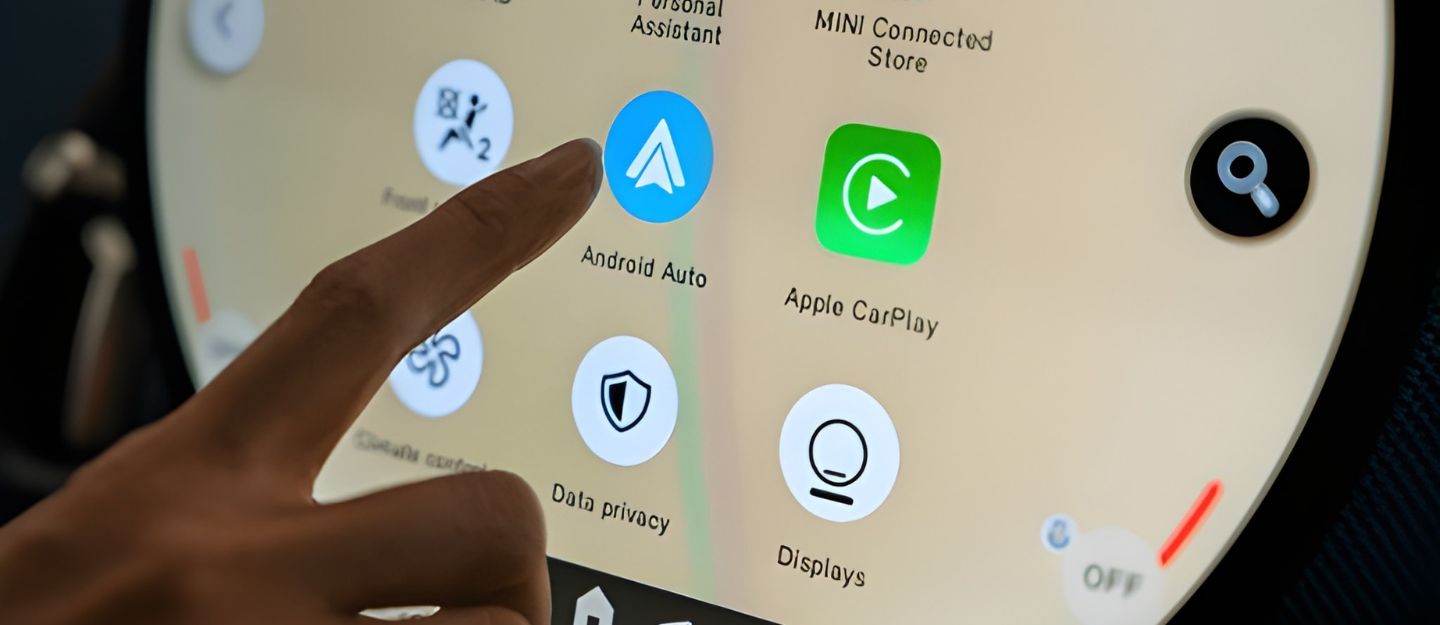
The integration of smartphones into modern vehicles has redefined the driving experience, offering a seamless connection between driver and car. With features such as hands-free communication and real-time navigation, smartphone connectivity enhances convenience, safety and comfort on the road. Beyond connectivity and convenience, smartphone integration is changing the driving experience through enhanced personalisation, seamless in-car communication and a range of advanced features.
How Smartphone Car Connectivity Is Transforming Driving Experience
Pairing a smartphone with the car establishes a seamless connection between the driver and the vehicle. This integration not only enhances convenience but also contributes to elevating the overall driving experience.
Personalised Driving
Smartphone integration in modern cars delivers a more efficient and personalised driving experience. By syncing a phone with the vehicle’s system, drivers can save preferred settings such as seat position, climate control and driving mode. These personalised settings are automatically activated each time the smartphone connects to the car’s computer.
Remote Vehicle Interaction
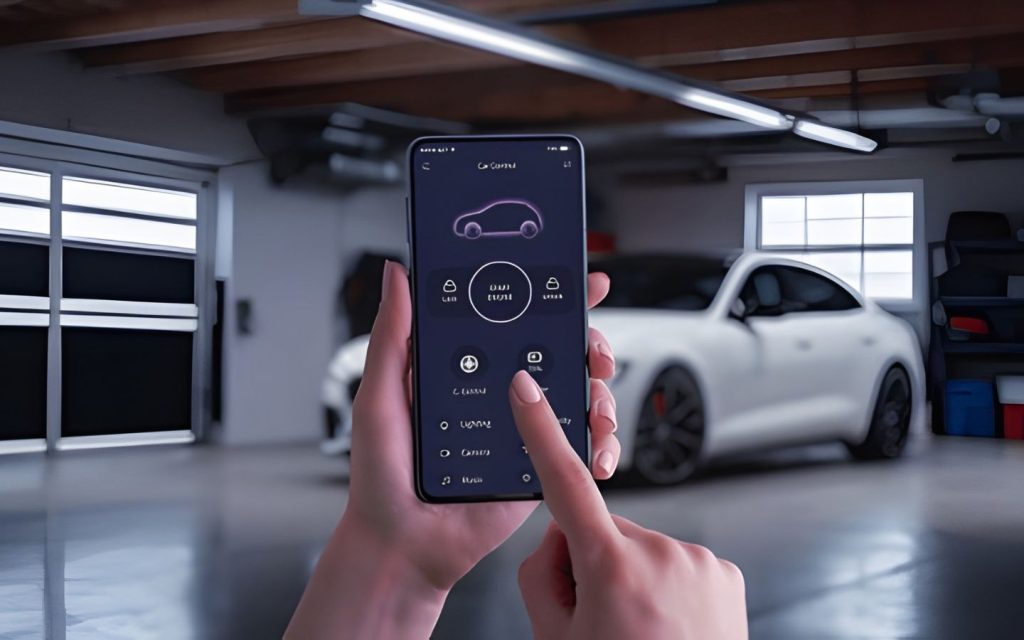
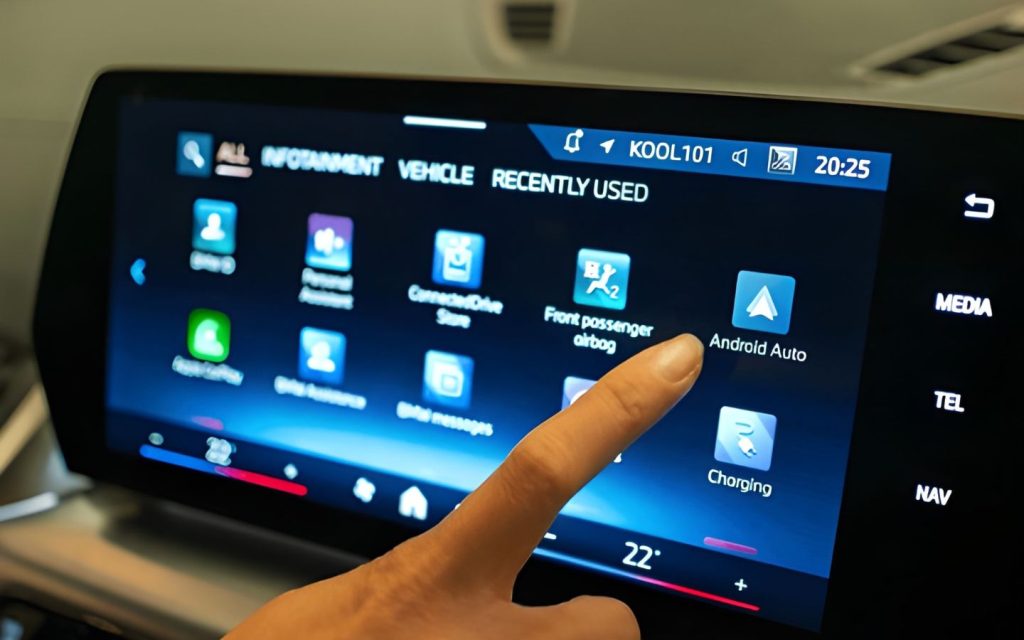
Wireless integration allows drivers to connect effortlessly, minimising distractions and improving overall road safety. Through platforms such as Apple CarPlay and Android Auto, the smartphone interface is mirrored onto the car’s display, giving drivers seamless access to essential apps for music streaming, calls, messaging and navigation.

Additionally, dedicated apps like the FordPass app and BYD app enable remote access to various vehicle functions, offering greater convenience and control. This fusion of automotive technology and smartphone connectivity ensures a smarter, more intuitive driving experience.
Safety Alerts and Notifications
The advanced car sensors capture real-time data, which is analysed by the car’s AI system. Based on this analysis, the onboard computer sends alerts and notifications to the connected smartphone, keeping the driver informed about potential hazards or performance issues. For example, owners may receive updates on traffic conditions or reminders for upcoming maintenance, enhancing safety and convenience.
Hands-free Control
Smartphone integration enhances voice control and hands-free operation of essential car features. Through platforms like Android Auto and Apple CarPlay, the car’s infotainment system connects with voice assistants such as Siri and Google Assistant.
Once integrated, drivers can use voice commands and hand gestures to make calls, send messages and control various vehicle functions. These voice and gesture controls provide a safer, distraction-free driving experience.
Advanced In-Car Communication
Advanced in-car communication is another key way smartphone integration is changing the driving experience. Beyond infotainment and navigation, smartphones enhance vehicle functionality through technologies such as Bluetooth, Wi-Fi and Near Field Communication (NFC), allowing seamless connections between the vehicle and external devices.
Additionally, smartphones serve as an additional node supporting Vehicle-to-Everything (V2X) communication, enabling the exchange of critical information between vehicles, infrastructure and networks. This integration improves the vehicle’s responsiveness to data sharing, enhancing situational awareness and overall road safety.
The built-in Wi-Fi in connected cars ensures devices stay connected without relying on mobile data, providing uninterrupted internet access and enhancing the driving experience.
FAQs
What are the key benefits of smartphone connectivity in cars for UAE drivers?
Smartphone integration offers seamless access to navigation, music, hands-free calls and messaging, enhancing convenience, safety and driving efficiency.
What safety concerns arise from using smartphone integration while driving?
While smartphone integration reduces physical distractions, it can still lead to cognitive distractions, especially if drivers engage with apps or screens while driving.
What is the difference between wired and wireless smartphone integration in vehicles?
Wired integration requires connecting the phone to the car via a USB cable, while wireless integration uses Bluetooth or Wi-Fi to connect, offering greater convenience and reducing cable clutter.
These are some ways smartphone integration is changing the driving experience by offering a blend of convenience, safety and efficiency. With features like hands-free controls and seamless app access, it enhances the drive while reducing distracted driving. With connectivity becoming essential, it’s advisable to check if smartphone integration is available when buying used cars for sale in the UAE, to avoid future hassle.
Stay in touch with dubizzle’s car blog to learn more about wireless smartphone connectivity in vehicles.
Related Posts