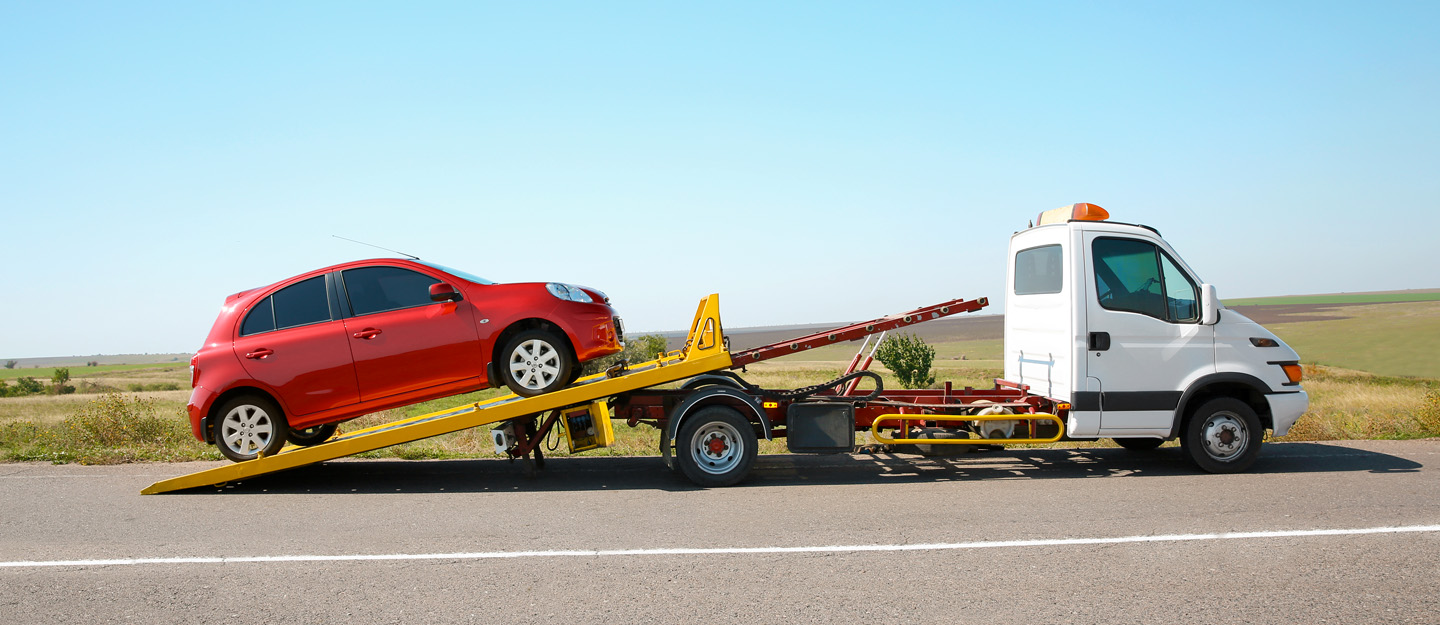
Roadside emergencies can happen to anyone, no matter how careful a driver you are. A flat tyre, a dead battery, an empty fuel tank or even an engine breakdown can catch you off guard at any time. In such moments, panicking worsens the situation. Staying calm and prepared is key.
The silver lining is that in the UAE, drivers benefit from strong safety measures and reliable support systems. By keeping a few simple roadside emergency tips in mind, you can handle unexpected roadside emergencies with confidence, save time and energy while focusing on finding a solution instead of stressing over the problem.
Essential Tips for Roadside Emergencies

Encountering a roadside emergency, whether due to an accident or a mechanical fault, requires calm and careful action. The foremost priority is to ensure the continued flow of traffic and to minimise the risk of further accidents. Once this is secured, attention can be directed toward addressing the issue with the vehicle. Following essential car breakdown safety tips can help you manage the situation more effectively and protect both yourself and other road users.
Remain Composed
Panic only complicates the situation. If the vehicle is steerable, you remain in control. Many common issues, such as a drained battery, radiator leakage or minor mechanical faults, may appear serious but can often be resolved with relative ease. Maintaining composure is essential to sound decision-making.
Act Without Delay
Respond promptly to warning signs. If the vehicle begins to malfunction, carefully pull over to the side of the road. This precaution prevents disruption to traffic flow and reduces the likelihood of being struck by passing vehicles.
Ensure Visibility
A stationary vehicle, particularly at night or on high-traffic roads, poses a significant risk to others. Immediately activate hazard lights and, if available, place safety markers such as reflective triangles, cones or flares. Position a warning triangle at least 45 metres behind the vehicle. Raising the hood is an additional measure that signals a breakdown to approaching drivers.
Carry Emergency Provisions
Resolving emergencies may take time, depending on location and circumstances. It is advisable to keep essential supplies on hand, including drinking water, food and a first aid kit. A roadside emergency kit containing basic repair tools, such as jumper cables, can also be highly beneficial in addressing minor faults.

Seek Professional Assistance When Necessary
While some problems may be resolved with basic mechanical knowledge, certain situations require professional intervention. Recognising the limits of personal expertise is vital. In such cases, contacting roadside assistance ensures both safety and proper handling of the vehicle.
Common Roadside Emergencies and How to Handle Them
Even if you are not mechanically inclined, knowing how to address common roadside emergencies can save time, reduce stress and keep you safe until professional help arrives. A well-prepared vehicle is equally important, which is why keeping an emergency car kit checklist can ensure you have all the essential tools and supplies ready when you need them most.
Below are some of the most frequent issues drivers face, along with practical steps for handling them.
Flat Tyres
Flat tyres are among the most common roadside problems, often caused by extreme heat or poor maintenance. Roadside assistance can usually resolve the issue on the spot, but it is helpful to know how to change a flat tyre yourself. All you will need is a jack, spare tyre, lug wrench, wheel wedge/brick and gloves.
The steps to change a flat tyre are as follows:.
Overheated or Smoking Engine

The UAE’s hot climate can often cause engines to overheat, leading to smoke from under the hood. Knowing how to respond can prevent serious damage.
Here’s what to do:
- Always carry coolant, antifreeze and engine oil in your vehicle.
- If you notice smoke, pull over safely and allow the engine to cool.
- Check the oil level with the dipstick and top up if necessary.
- Inspect the coolant reservoir next to the radiator and refill if low.
- If there is a visible leak, do not restart the engine and wait for professional assistance.
Empty Fuel Tank
Running out of fuel may seem like a minor inconvenience, but it can quickly turn into a serious safety concern, especially on highways, in remote areas or during extreme weather conditions. Fortunately, it is preventable with foresight and manageable with the right approach. You can also contact any of the fuel delivery services in the UAE if you are in the Emirates.
To reduce the risk, follow these preventive measures:
- Always check your fuel level before setting out, particularly on long trips or desert drives where fuel stations may be scarce.
- Avoid relying on the fuel warning light; by the time it appears, you often have limited mileage left.
- Consider keeping an approved, sealed fuel container in your vehicle, but store it safely to prevent leakage or fumes.
Preventing Roadside Emergencies
While some emergencies are unavoidable, regular maintenance significantly reduces the risk of breakdowns. Follow these preventive measures:
- Always use original or certified parts, even when buying used components.
- Have brake discs, pads and fluids inspected by a qualified professional.
- Clean AC filters and check the compressor gas levels regularly.
- Monitor engine oil, battery coolant and radiator fluid levels.
- Always check the fuel level before any trip.
Furthermore, you can use the RTA Dubai Drive app for quick roadside assistance and access to official services. The ADNOC Fuel Delivery app allows you to request fuel at your location if you run out. Meanwhile, Google Maps live traffic helps you navigate around delays, find nearby service centers and manage breakdowns more efficiently.
Always keep essential emergency contact numbers accessible: dial 999 for the Police and 998 for the Ambulance in Dubai and most UAE emirates.
FAQs
What should I do if my car breaks down on a busy road?
If your car breaks down on a busy road, pull over to the shoulder if possible, turn on hazard lights and stay inside with your seatbelt fastened.
How can I stay safe while waiting for roadside assistance?
To stay safe while waiting for roadside assistance, make your vehicle visible with hazard lights or warning triangles and remain inside unless it’s unsafe.
What items should I always keep in a roadside emergency kit?
Always keep a roadside emergency kit with a spare tyre and wheel key, jumper starter, car jack, screwdriver set, portable air pump and tyre gauge.
How do I handle a flat tyre safely on the highway?
In case of a flat tyre on the highway, get to a safe spot, make your car visible and wait for assistance if unsure.
Roadside emergencies can be challenging, particularly during long drives or on busy highways. By applying these tips, you can better protect yourself, reduce inconvenience and address issues with greater confidence.
If your car keeps running into problems frequently, upgrading your vehicle may be a worthwhile solution. Here are some used cars for sale in the UAE to help you find a safer, more reliable and better-performing option for your daily drives and long journeys. For a brand new ride, go through these new cars for sale in the UAE.
Stay tuned to the UAE’s top auto blog for more tips as well as auto parts repair, replacement and maintenance guides.
Related Posts