Earning a Dubai driving licence starts with clearing the RTA driving test. Designed to assess a driver’s understanding of traffic rules, road safety awareness and practical driving skills, the test follows strict standards set by the Roads and Transport Authority (RTA). Knowing what to expect and preparing in advance can significantly improve your performance. Moreover, keeping a checklist provides a clear overview of the key requirements and driving practices to help candidates approach each stage of the RTA driving test with confidence.
Dubai RTA Driving Theory Test
Before appearing for the practical road test, candidates must pass the RTA driving theory test. Understanding first driving lesson expectations is essential before progressing to the practical road test. For effective RTA driving test preparation, follow these steps:

- Attend all driving courses at an RTA-approved driving school and follow the instructions carefully.
- Download the RTA driving test app from Google Play or the App Store.
- Complete theory mock tests are available on the app.
- Start with easier practice tests and gradually progress to more challenging ones.
- Take all available practice tests until fully confident.
- Review the ‘Fines’ section in the app to refresh knowledge about traffic violations and penalties.
RTA Road Test Checklist
The road test evaluates real-world driving skills, including vehicle control, traffic awareness and decision-making. The following RTA driving test checklist outlines essential checks and procedures for candidates:
Pre-Driving Checklist
- Ensure all doors are properly closed.
- Adjust mirrors and seats for optimal visibility.
- Fasten the seat belt securely.
- Verify that the lights, wipers, horn and engine function properly.
Lane Change Checks
- Take an appropriate gap before changing lanes.
- Avoid squeezing the vehicle into tight spaces.
- Maintain a steady speed and avoid sudden swerving.
- Always perform a head check before manoeuvring.
Mirror Checks
- Check all mirrors before braking, signalling, or changing lanes.
- Perform head checks to eliminate blind spots.

Passing Other Vehicles
- Never overtake in restricted areas.
- Take opportunities to pass safely when appropriate.
- Return to the correct lane after overtaking.
Signal Usage
- Always signal correctly and on time.
- Signal when changing lanes or turning.
- Never signal in the wrong direction.
Approaching a Turn
- Avoid pressing the clutch unnecessarily near a curve or intersection.
- Do not brake too harshly or approach too slowly/quickly.
Stopping the Vehicle
- Avoid unnecessary stops.
- Stop with the car wheels behind the stop line.
- Ensure the vehicle is stable and use the handbrake when required.
Turning Checks
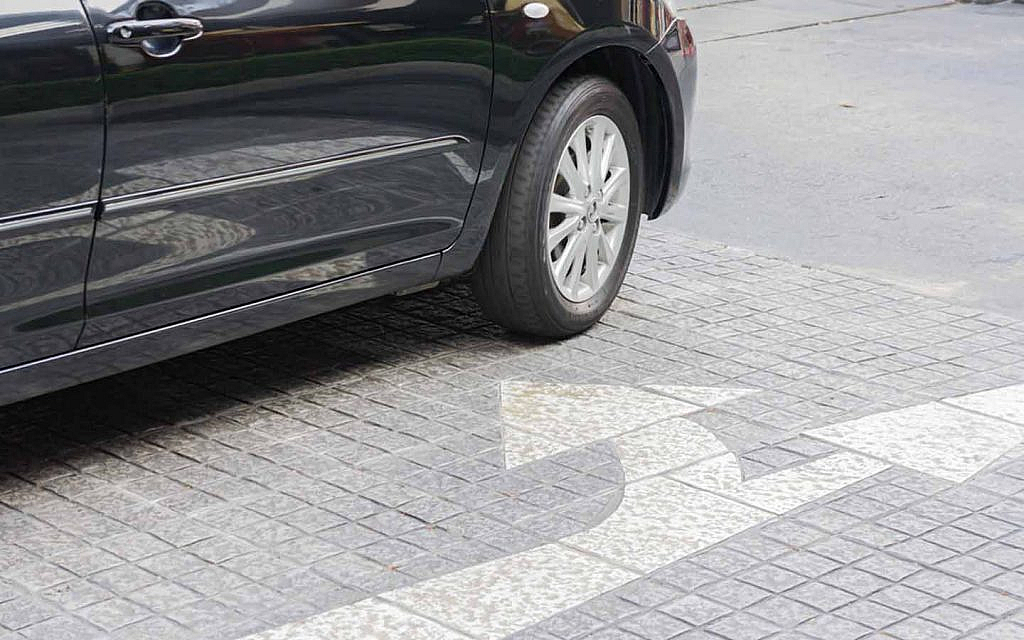
- Start from the correct lane or traffic line.
- Follow road markings throughout the turn.
- Complete turns within a single lane.
General Road Judgement
- Yield to pedestrians and other vehicles when required.
- Avoid stopping unnecessarily or obstructing traffic.
Progress and Position on the Road
- Drive according to road conditions, not too fast or too slow.
- Do not hesitate when moving off.
- Always drive in a single lane.
- Maintain a safe distance from the curb and other vehicles.
- Use the correct lane for your direction.
Gear Usage
- Use the appropriate gear for speed and conditions.
- Change gears smoothly.
- Do not switch to neutral while moving.
- Avoid stalling or leaving the gear engaged after stopping.
Safety Checklist
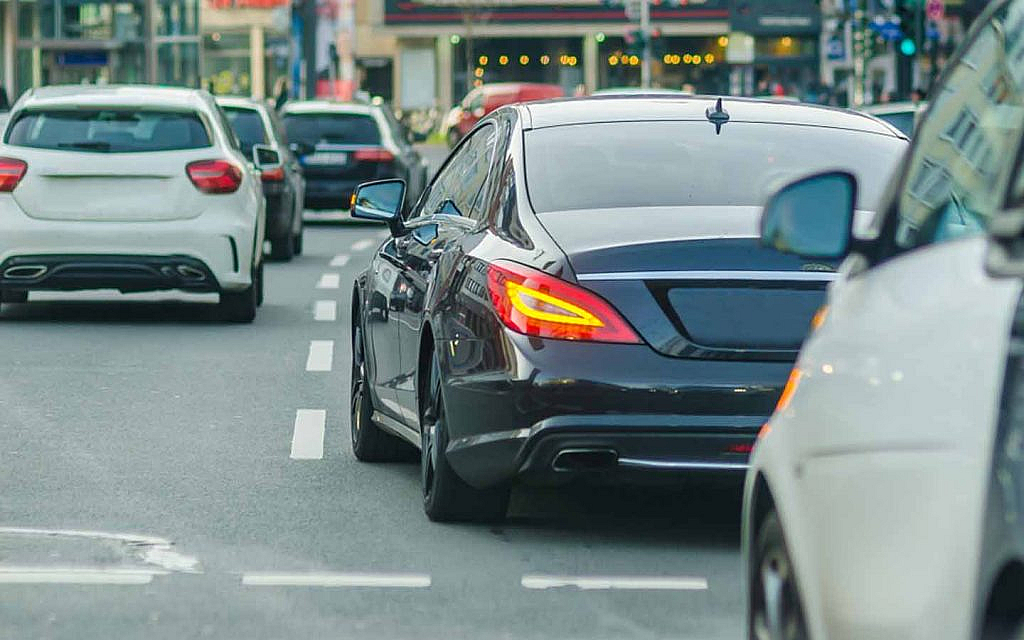
- Maintain a safe distance from the vehicle ahead.
- Leave enough space when passing objects or parked vehicles.
- Stop at appropriate distances to ensure safety.
Reversing Checklist
- Signal when leaving a parking spot.
- Check blind spots with a head turn.
- Complete reversing manoeuvres in four moves or fewer.
- Avoid hitting curbs and ensure proper lane alignment after exiting.
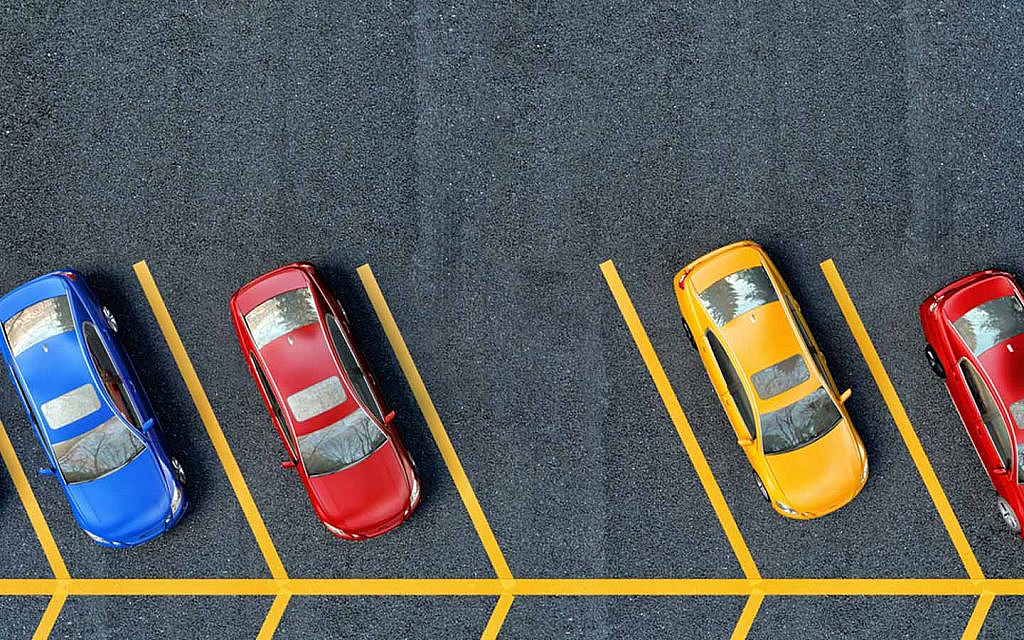
Parking Checklist
- Follow the correct lane to enter the parking bay.
- Position the car centrally within the bay.
- Complete parking in four moves without hitting curbs.
FAQs
How long does the RTA road test take?
The RTA road test usually takes 15 to 20 minutes, depending on traffic and the route assigned by the examiner.
What documents are required for the RTA road test?
The RTA driving test requirements include the driver’s Emirates ID, learning permit and eye test results (in case the licence was revoked).
Can I retake the RTA driving test immediately after failing?
No, you will need to take additional lessons before taking another RTA driving test in Dubai.
Following this RTA driving test checklist ensures thorough preparation for both the theory and road tests. Once the test is completed, drivers can get a driving licence in Dubai and can safely operate vehicles on the emirate’s roads.
Besides, for those looking to purchase a car after passing the test, a variety of new cars for sale in Dubai are available to suit every need.
To learn more about driving tests in the UAE, keep reading dubizzle’s cars blog.
Related Posts