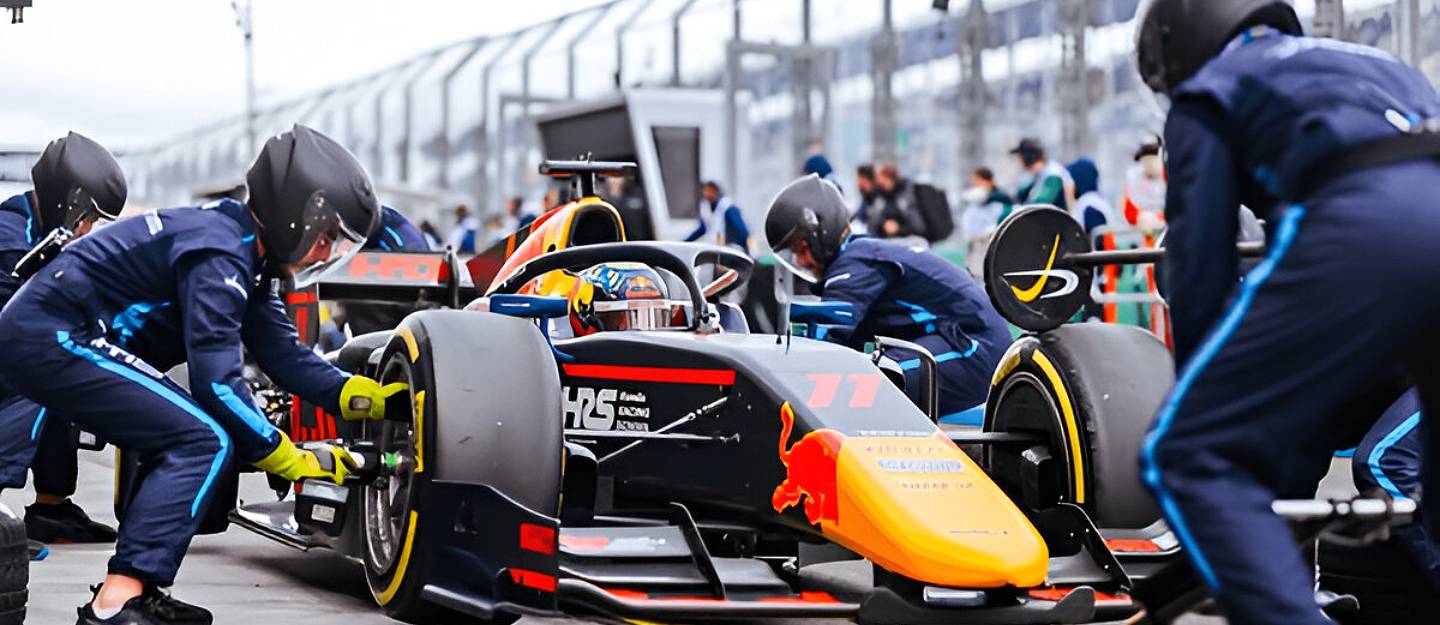
In Formula 1 racing, where milliseconds can be the difference between victory and defeat, pit stops are a crucial part of the sport’s strategy. These brief moments, typically lasting only a few seconds, are far from just routine tyre changes or mechanical checks. They are high-pressure operations that require impeccable coordination, precision and timing. A well-executed pit stop can help a driver gain positions or ensure they maintain a competitive edge throughout a race, while a poorly timed or executed one can result in lost time and missed opportunities. The role of pit stops in Formula 1 remains a significant one.
Role of pit stops in Formula 1
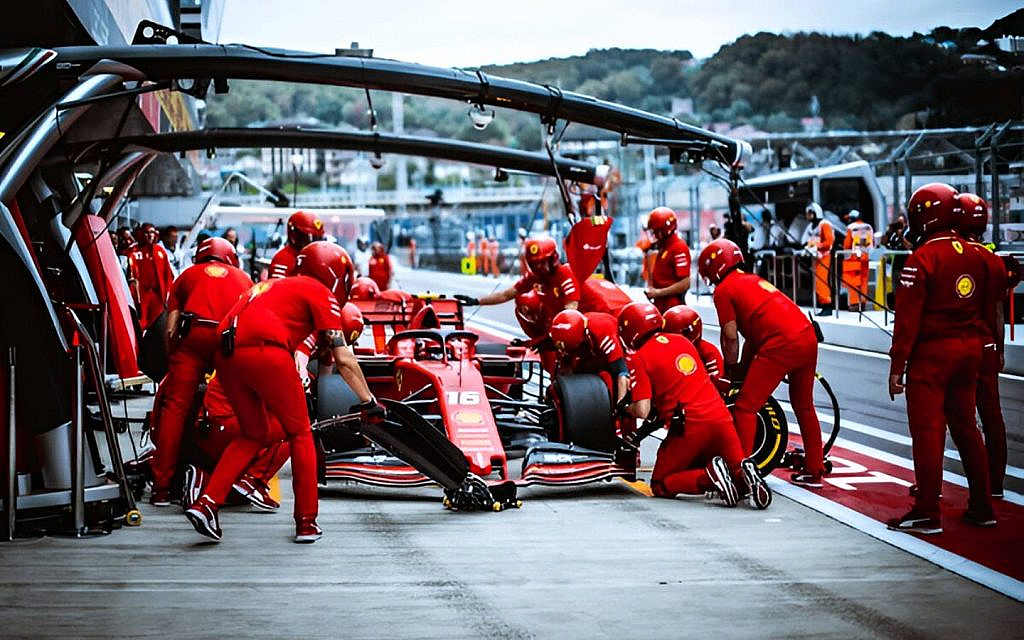
Formula 1, one of the most popular car racing types, is known for using pit stops during races. Pit stops in Formula 1 are not merely about speed but also about efficiency and minimising the amount of time the car spends off the track. Teams aim to balance the complexity of the tasks with the need for precision. A slow pit stop can cost a driver several seconds, which can be an eternity in the high-speed world of F1.
Let’s check out the key elements determining the role of pit stops in Formula 1 racing:
- Tyre change: This is the most common pit stop manoeuvre. Tyres are swapped out to match the current track conditions, race strategy and overall tyre performance.
- Fuel: While refuelling was banned in Formula 1 after the 2009 season, the management of tyre wear and fuel levels remains a key consideration. Teams must plan pit stops based on how much fuel is required for the remainder of the race.
- Repairs and adjustments: If the car suffers damage or if adjustments are needed, such as wing changes, brake cooling or other repairs. These tasks are performed during the pit stop.
- Driver needs: In addition to fixing the common car problems, a team might perform minor adjustments to the driver’s seat, steering wheel or visor. Though not as common, these adjustments are important for comfort and optimal performance.
Importance of pit stops in F1
Pit stop times are crucial. In recent years, Formula 1 pit crews have pushed the boundaries of human capability and technology to achieve remarkably low times. These ultra-fast pit stops require synchronisation and flawless execution from every member of the team. A typical F1 pit crew includes around 20 individuals, with each person assigned a specific task to perform during the stop. Detailed below is a breakdown of the crew used in the Formula 1 pit stop strategy.

- Front and rear tyre changers: Swap tyres as quickly as possible, often with only a single wrench.
- Jack men: Use a hydraulic jack safely to lift the car and ensure it remains stable during the tyre change.
- Tyre warmers: Ensure the replacement tyres are at the optimal temperature before they are fitted.
- Lollipop man (or light boards): Direct the driver into the pit stall and signal when it’s safe to leave.
All of these tasks must be executed with precision. Even the slightest mistake, a misstep with the different types of tyres or an error in the timing of the stop can cost valuable seconds.
The Evolution of Pit Stops: From Manual to Technological Precision
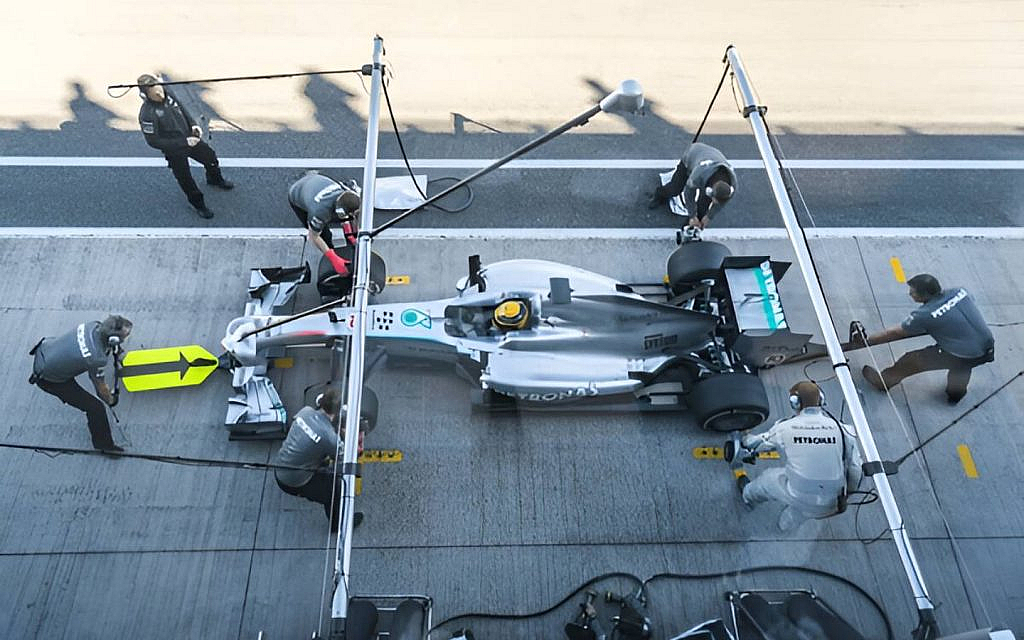
Pit stops have come a long way since the early days of Formula 1. In the 1950s and 1960s, pit stops were a much slower, more rudimentary affair. Tyre changes took several minutes and refuelling was a much riskier endeavour. The pit crew was a handful of people who would refuel the car and swap out tyres.
However, as technology advanced and the pace of racing quickened, so did the complexity and speed of pit stops. Today, high-tech innovations play a crucial role in the modern F1 pit stop:
- Powerful hydraulic systems: These systems allow teams to quickly lift and lower the car with precision, making the entire process more efficient.
- Specialised tools: Modern tyre changers use high-torque guns that can remove and replace tyres in a fraction of a second.
- Data analytics: Teams use sophisticated data systems to track types of tyre tread wear, fuel consumption and driver performance. This helps in planning when to pit and what changes to make during the stop.
While human skill is still the backbone of pit stops, there’s an increasing role for AI and automation in Formula 1. Teams are exploring ways to use robotics and machine learning algorithms to help optimise pit stop performance. For instance:
- AI-Powered pit stop analysis: Teams are using AI to analyse historical data from past pit stops, looking for patterns that could help shave off fractions of a second.
- Automation in tyre changing: Some teams are experimenting with robotic systems for tasks like tyre changes.
FAQs
What is the Role of Pit Stops in Formula 1?
Pit stops in Formula 1 are crucial for changing tyres, making quick adjustments and gaining strategic advantages during a race.
How long does a typical F1 pit stop take?
A typical F1 pit stop takes around 2 to 3 seconds.
How do pit stops affect the outcome of an F1 race?
Pit stops can significantly affect the outcome of an F1 race by influencing track position, tyre performance and overall race strategy.
There you have it, an F1 racing pit stop explained. Arguably the most popular type of racing, Formula 1 continues to enthral its viewers with remarkable vehicles and technology. Similarly, green practices promoting sustainability in Formula 1 are also attracting a larger audience.
Beside pits tops, Formula 1 racing uses many other unique technologies and techniques. Check out the Formula 1 facts to learn some interesting and unknown details about this popular racing type.
Racing cars are highly appealing due to their unmatched speed and performance specs. However, many modern cars also come equipped with powerful engines and notable specs. Browse through these new cars for sale in the UAE to explore some amazing options. People in the UAE also have many track options to test the limits of their vehicles.
Stay tuned to dubizzle’s auto blog to learn about Formula 1 and other racing types.
Related Posts