Parking your car and feeling it roll slightly can be unsettling, especially if you rely on the ‘Park’ gear for safety. Understanding the mechanics behind this phenomenon can help you address the issue effectively. Understanding these causes can ensure both your safety and your vehicle’s longevity. Let’s overview the most common reasons why your car rolls in the park gear.
List of Reasons Why Your Car Rolls in Park
If your car won’t shift out of Park, it’s practically undriveable. Even when everything seems right, the car may still refuse to move into Drive. Let’s help you pinpoint the issue and find out the reasons why your car rolls in park.
Drivetrain Slack
Drivetrain slack refers to the small amount of play within the transmission and axle components. When you shift your car into park, this slack may cause a slight roll before the parking pawl engages.
- Extent of Normal Movement: Most vehicles roll less than 1-3 inches on an incline due to drivetrain slack.
- How to Prevent Issues: Always engage the parking brake before releasing the brake pedal to reduce stress on the transmission system.
Faulty Parking Pawl
The “Park” gear in automatic transmissions uses a mechanism called the parking pawl—a small metal pin that locks into a gear to prevent the wheels from moving. If this pawl doesn’t engage fully, your car might roll slightly.
- Indicators of Damage: Clicking noises when shifting into park or excessive rolling.
Improper Use of the Parking Brake
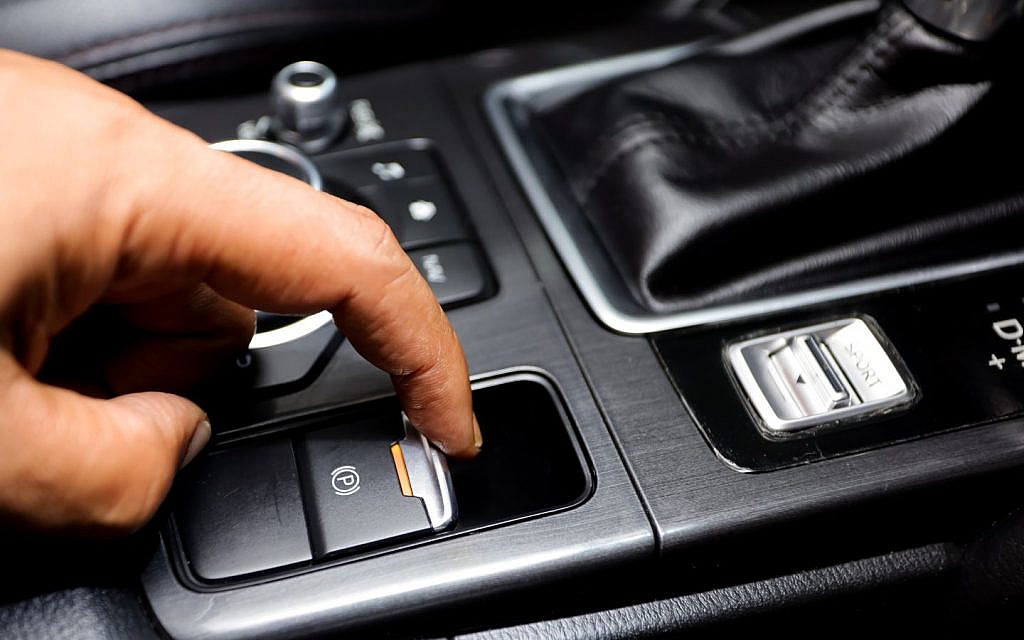
The parking brake, also known as the emergency brake, is designed to keep your vehicle stationary. Relying solely on the transmission’s Park gear, especially on inclines, can cause rolling. The parking brake provides additional stability.

- Tip: Always engage the parking brake before shifting into park, particularly on slopes.
Transmission Fluid Issues
One of the common reasons why your car rolls in park are transmission fluid issues. Low or degraded transmission fluid can affect the operation of the transmission, including the parking mechanism.
- Signs of Trouble: Difficulty shifting gears, delayed engagement in park or unusual noises.
- Maintenance Tips: Check the transmission fluid without dipstick regularly; change it as per manufacturer recommendations (typically every 30,000 to 60,000 miles).
Sloped Parking Surfaces
Even a properly functioning vehicle may roll slightly if parked on a steep incline. Gravity exerts pressure on the drivetrain, which may lead to minor movement before the car settles.
- Incline Considerations: Vehicles parked on slopes greater than 10 degrees are more likely to experience rolling without a parking brake.
- Preventative Measures: When parking on a slope, turn your wheels toward the curb (for downhill) or away from the curb (for uphill) as a backup safety measure.
Worn CV Joints or Axles
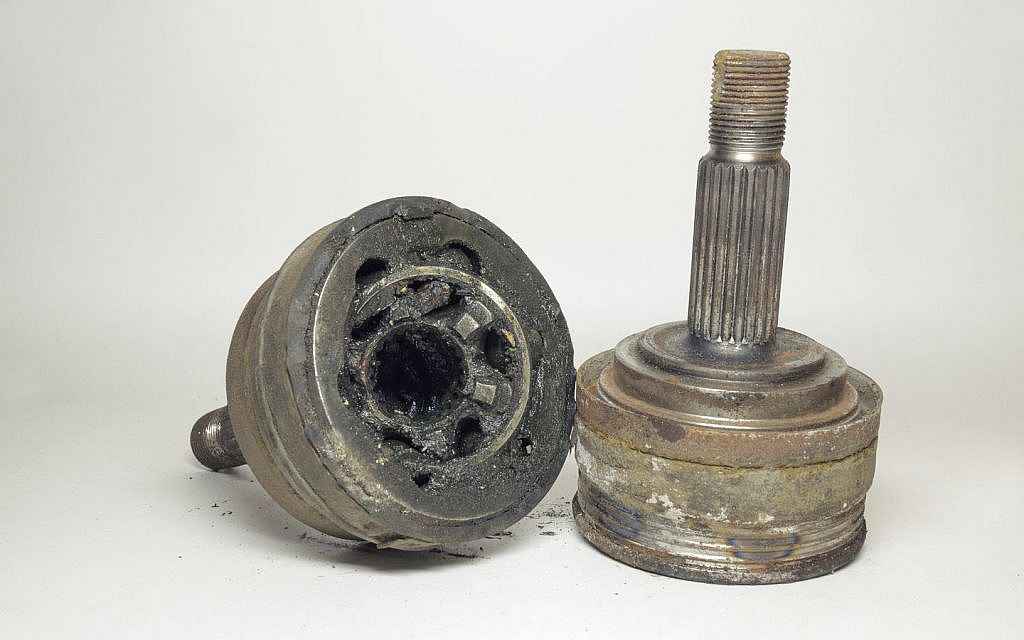
For cars with four-wheel drive or all-wheel drive, damaged constant velocity (CV) joints or axles can sometimes cause slight rolling. If these components are compromised, they may not transfer power effectively, leading to instability when parked.
Worn Components in Older Vehicles
Over time, components like the transmission mounts, parking pawl and linkage can wear out, reducing their effectiveness.
- Vehicle Age Factor: Cars over 10 years old are more prone to such issues.
- Inspection Schedule: Regularly inspect your transmission system during routine maintenance to catch early signs of wear.
Human Error
Sometimes, the issue is as simple as not fully engaging the park gear or neglecting to set the parking brake.
- Common Mistake: Shifting into park while the vehicle is still moving slightly.
- Best Practices: Ensure the car is completely stationary before shifting into park and always double-check.
Hydraulic or Mechanical Failures
In automatic transmissions, hydraulic systems assist in locking the gears. A failure in these systems can cause rolling even when in park.
- Hydraulic Symptoms: Leaks, low fluid levels or difficulty shifting gears.
- Solution: Address hydraulic leaks promptly and maintain fluid levels to avoid larger issues.
Tyre and Surface Interaction
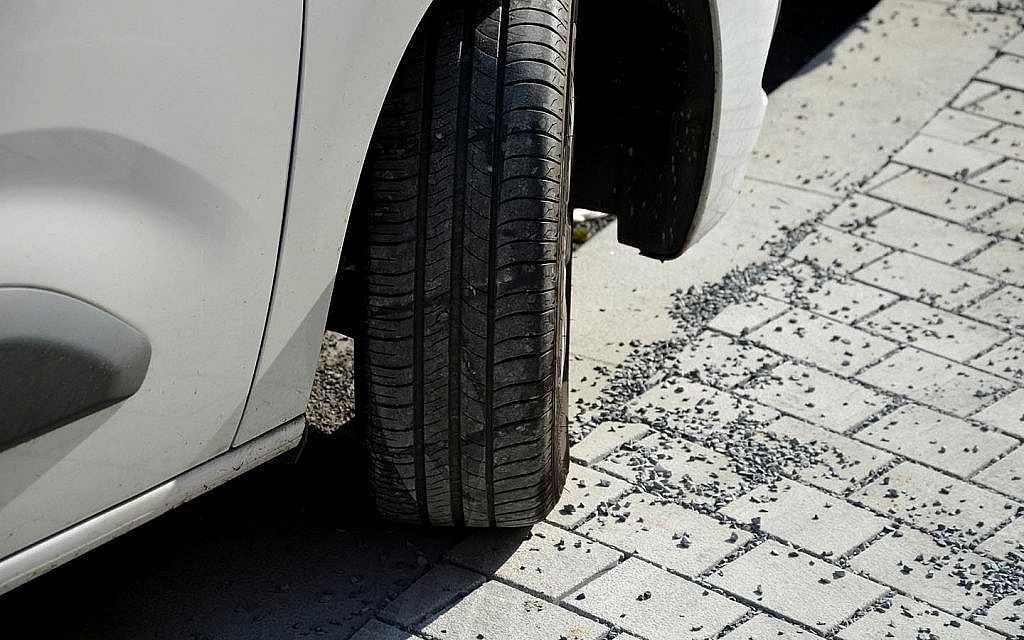
Sometimes, the interaction between your tyres and the parking surface can create the illusion of rolling. For example:
- Uneven or loose gravel surfaces.
- Worn or low-grip tyres on slick surfaces.
- Slight movements caused by settling shocks and suspension.
Preventing Car Rolling in Park
Here are some best practices to ensure your car stays put when parked:
- Always Use the Parking Brake: Engage the parking brake before releasing the brake pedal to take stress off the transmission.
- Park on Level Surfaces When Possible: Avoid inclines if you can and turn your wheels toward the curb for added safety.
- Shift Properly: Make sure to shift fully into Park and wait for the gear to engage before releasing the brake pedal.
- Maintain Your Vehicle: Regularly check your transmission, brakes and car suspension system for wear and tear.
- Inspect Your Tyres: Ensure your tyres are in good condition and properly inflated with the help of using tyre inflators.
FAQs
What prevents the car from rolling in a parked position?
The parking pawl in the transmission locks the wheels, preventing the car from moving.
How do I stop my car wheels from rolling?
Engage the parking brake and shift into Park (automatic) or gear (manual).
How do I make sure my car doesn’t roll?
Always use the parking brake, park on level ground when possible and turn the wheels toward the curb on slopes.
What can you do to keep your vehicle from rolling?
Use the parking brake, shift into Park or low gear and turn the front wheels in a safe direction when parked on an incline.
These are some of the possible reasons why your car rolls in park. While minor rolling in park can be normal due to drivetrain slack, significant movement should not be ignored. Regular maintenance, proper parking techniques and prompt attention to warning signs can prevent accidents and costly repairs. If you’re unsure about the severity of your car’s rolling, consult a certified mechanic for a thorough inspection.
Moreover, if your vehicle is frequently breaking down and requiring major repairs, it might be time to explore these new cars for sale in the UAE and enjoy a hassle-free driving experience.
Stay tuned to dubizzle’s auto blogs for expert insights on common car issues and practical prevention tips.
Related Posts