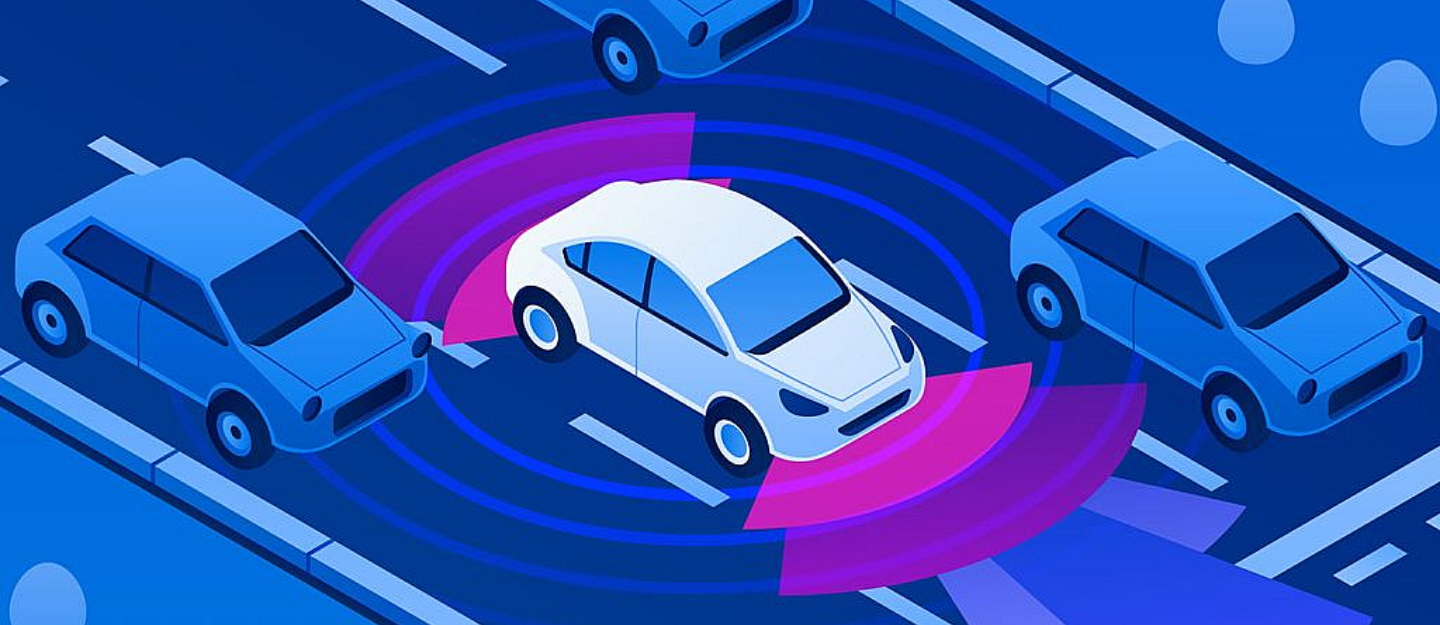
The Post Collision Braking System (PCBS) is a safety feature that activates the brakes automatically after a collision. This system reduces the chance of further impacts by gradually bringing the car to a controlled stop. After an initial crash, a vehicle might continue to move due to momentum, increasing the risk of secondary accidents. Post collision braking systems prevent this by stopping the car automatically, which is especially valuable on busy roads or highways. Let’s explore how PCBS works, its importance and the technology behind it.
How Does Post Collision Braking System Work?
The automatic post collision braking system is connected to the vehicle’s airbag sensors, which detect a significant impact. Once an accident is detected, PCBS activates through the following steps.
When a collision occurs, sensors in the vehicle pick up the impact. These sensors are linked to the airbag system, which assesses the force of the impact. Once a severe collision is detected, PCBS engages without requiring driver intervention. After activation, PCBS gradually applies the brakes, avoiding an abrupt stop that could worsen injuries. This measured braking process ensures a safe stop, limiting further damage. Furthermore, the brakes applied post collision are with an activated Anti-lock braking system.
The system then stabilises the vehicle by stopping it quickly, preventing it from rolling into other lanes, hitting barriers or causing chain accidents. PCBS only operates after the initial collision, allowing the driver to regain full control of the car once it comes to a complete stop.
Benefits of Post Collision Braking System
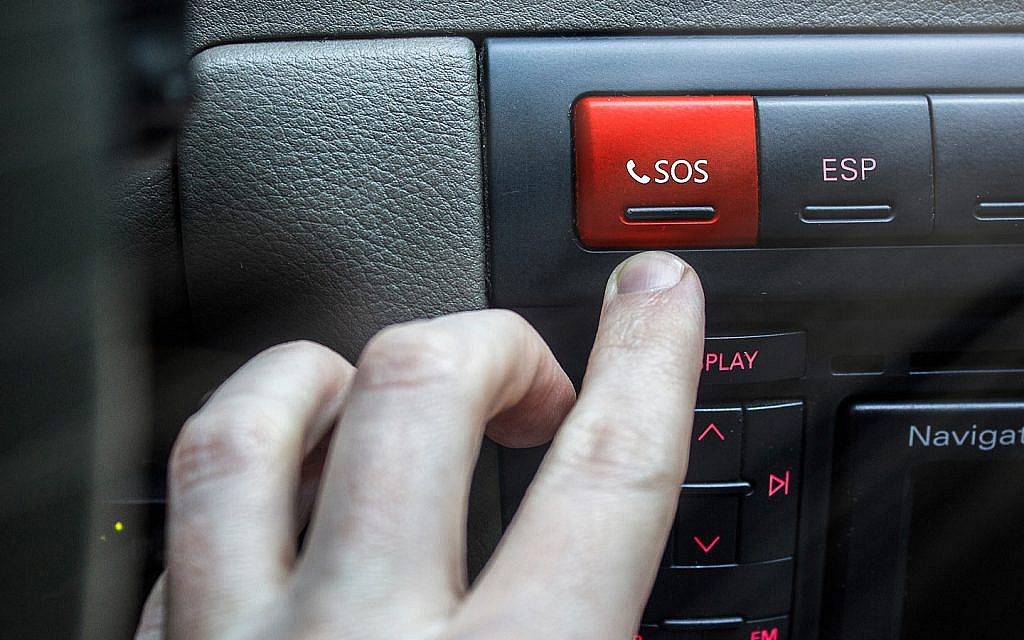
The post collision braking system provides several essential benefits.
Prevention of Secondary Collisions
The primary benefit of the post collision braking system is its ability to prevent secondary collisions. After an initial impact, vehicles often continue to move due to momentum, increasing the risk of further accidents. PCBS applies the brakes automatically, reducing the likelihood of additional collisions.

Enhanced Passenger Safety
PCBS enhances passenger safety by stopping the vehicle quickly and in a controlled manner. By limiting further movement after a crash, PCBS helps protect passengers from additional impacts that could increase injury risk.
Reduced Vehicle Damage
The emergency braking stops the vehicle immediately after a collision, which can help minimise further damage to the car. This damage reduction can lower repair costs and help maintain the car’s structural integrity, which multiple impacts may compromise.
Improved Road Safety
PCBS also contributes to overall road safety by reducing the risk of multi-car accidents, especially in busy traffic or on highways. Preventing secondary impacts makes roads safer, as fewer vehicles are involved in chain-reaction collisions.
Increased Control in Hazardous Conditions
PCBS assists in hazardous conditions like wet or icy roads, where vehicles may slide more easily. By applying controlled braking, the system helps stabilise the vehicle after impact, reducing the risk of skidding into other lanes or obstacles.
Technology Behind Post Collision Braking Systems
PCBS depends on advanced speed sensors and brake control technology to operate smoothly. Key components of the system are the airbag sensors, electronic stability control (ESC), brake actuators and a data processing unit.
Airbag sensors detect impact force during a collision and relay this information to the PCBS system. Electronic Stability Control (ESC) works alongside PCBS, providing additional braking control and helping stabilise the vehicle, especially if it begins skidding or sliding. Brake actuators enable automatic braking when PCBS activates, applying the brakes without driver input.
Situations Where Post Collision Braking is Useful
PCBS can be incredibly useful in a range of situations. On highways, high-speed collisions pose significant risks and PCBS helps bring vehicles to a quick halt. This reduces further dangers from secondary collisions with other vehicles. At intersections, PCBS can prevent a car from rolling into other vehicles or pedestrians after a collision, which are high-risk locations for accidents.
PCBS can help prevent pile-ups in heavy traffic by keeping a vehicle stationary after an impact. Additionally, in adverse weather conditions, PCBS assists in safely bringing the vehicle to a stop.
Examples of Cars with Post Collision Braking Systems
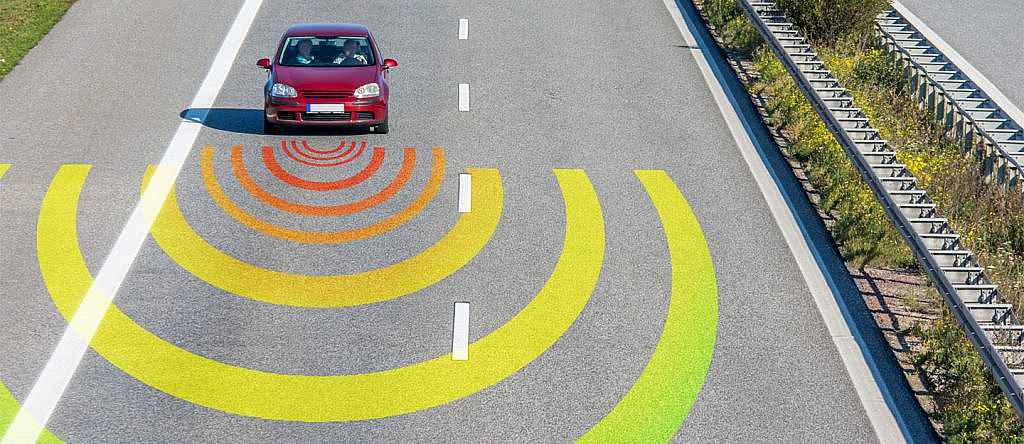
Cars these days come with a bunch of modern safety features. Here are some examples of cars equipped with the post collision braking system:
- Volkswagen Golf
- BMW 3 Series
- Audi A4
- Mercedes-Benz E-Class
- Ford Escape
- Toyota RAV4
- Honda Accord
- Hyundai Sonata
- Subaru Outback
- Jeep Grand Cherokee
FAQs
Does the Post Collision Braking System work in all types of collisions?EBD
PCBS activates only when the sensors detect a significant level of impact and report it to the Electronic Control Unit (ECU). The system might not engage in minor accidents, as it’s mainly designed for severe impacts with a risk of further uncontrolled movement.
Can I override the Post Collision Braking System?
The automatic post-collision braking system can’t be overridden once it is activated. However, after the vehicle comes to a complete stop, the system disengages.
Is the Post Collision Braking System available in all cars?
PCBS is mainly available in newer vehicles from brands like Volkswagen, BMW, Mercedes-Benz and Audi. Older models and budget cars may not have this feature, as it is an advanced system requiring sophisticated technology.
Does PCBS work in icy or slippery conditions?
Post collision braking system working in icy or slippery conditions may be less effective, as brakes can struggle to grip on extremely slippery surfaces.
The post collision braking system is an important feature in modern vehicles that automatically applies brakes after a collision to limit the risk of further impacts. Though PCBS has some limitations, such as sensor dependence and reduced effectiveness on icy roads, it remains a critical part of vehicle safety. As technology advances, PCBS is expected to become more effective and widely available across different vehicle types, enhancing road safety for everyone.
If you’re looking for a car with modern safety features like a post collision braking system, you can explore these used cars for sale in the UAE.
Stay tuned to UAE’s top auto blog for more information on different car sensors and features.
Related Posts