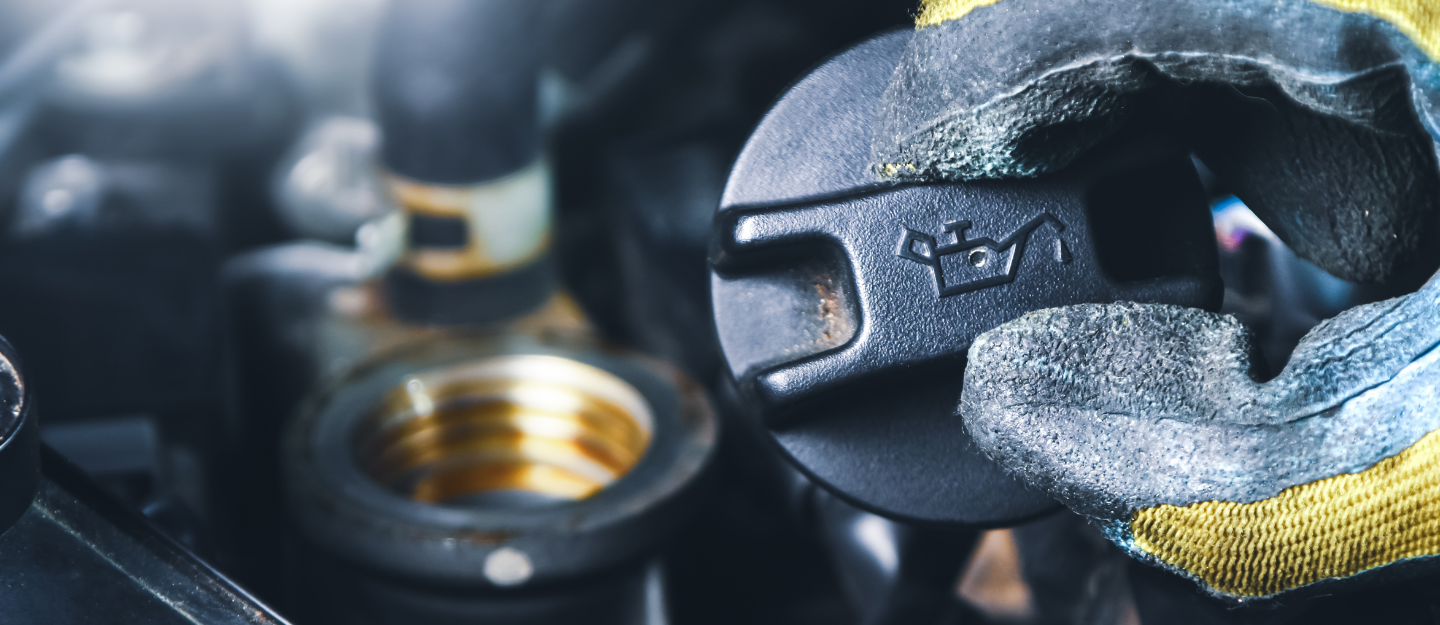
Seeing smoke coming out of the oil cap can be alarming, especially for drivers who are unsure what it means for the engine. While light vapour can sometimes be normal, persistent smoke often signals an underlying mechanical issue that should not be ignored. Understanding the symptoms, possible causes and appropriate fixes can help prevent serious engine damage and costly repairs.
Common Symptoms to Watch Out For
Vapour or smoke from the engine oil cap usually indicates abnormal pressure or heat inside the engine. In some cases, it may be harmless condensation, but in others, it can point to worn engine components or maintenance issues. Identifying oil cap smoke symptoms is essential for maintaining engine health and safety.
Visible smoke or vapour
White or light grey smoke rising when the oil cap is removed, especially with the engine running, is the most obvious sign. Thick or continuous smoke is more concerning than light vapour.
Rough engine idle
If the engine idles unevenly or vibrates excessively, it may suggest internal pressure issues or poor combustion.
Burning oil smell
A strong oil or burnt smell may indicate oil overheating or leaking onto hot engine parts.
Increased oil consumption
The frequent need to top up engine oil can signal oil burning or leakage caused by worn seals or components.
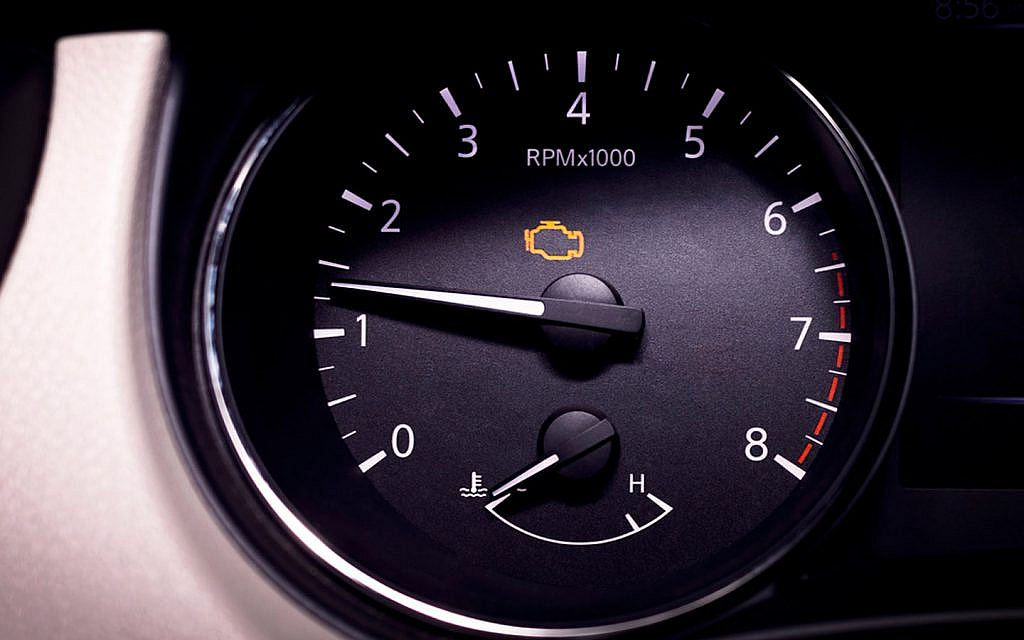
Check engine light
In some cases, engine sensors may detect abnormal pressure or misfires, triggering a warning light on the dashboard.

Main Causes of Smoke from Oil Cap
Listed below are some common causes of smoke coming out of the oil cap:
Excessive Crankcase Pressure
Excessive crankcase pressure is a common reason smoke or vapour escapes when the oil cap is removed. This usually occurs when worn piston rings or cylinder walls allow combustion gases to leak into the crankcase, a condition known as blow-by. If not addressed, this pressure buildup can reduce engine performance, contaminate the oil and accelerate internal wear.
Faulty Positive Crankcase Ventilation (PCV) Valve
The PCV valve helps regulate internal engine pressure by redirecting gases back into the combustion process. When the valve becomes clogged, stuck or damaged, proper ventilation is restricted, causing pressure to build up. This can result in smoke from the oil cap, oil leaks and reduced engine efficiency.
Overfilled Engine Oil
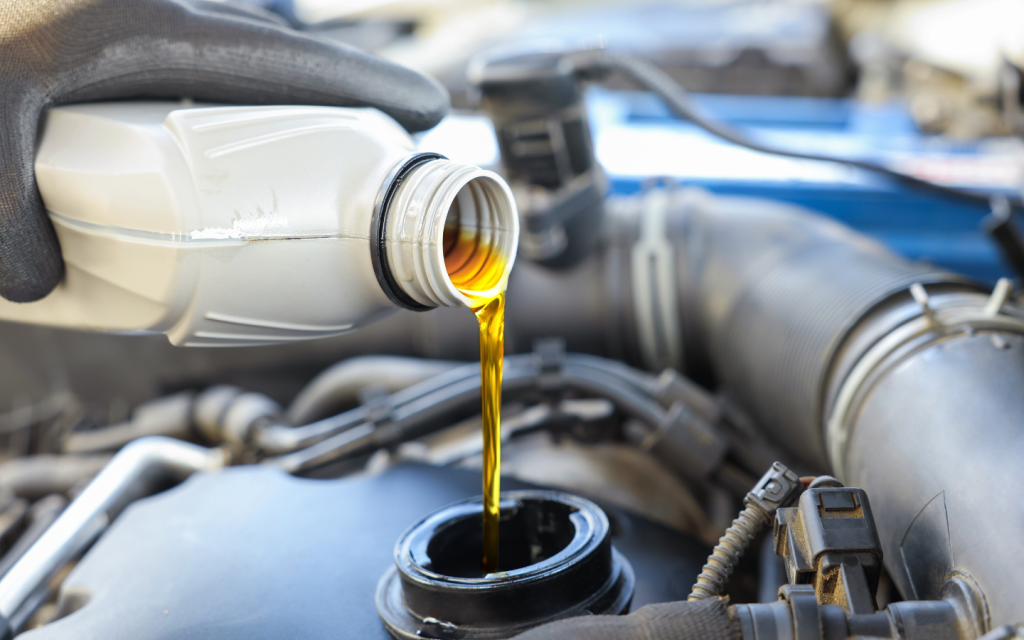
An overfilled engine oil level can create excess pressure and foaming inside the crankcase. This often happens due to incorrect oil topping during servicing or maintenance. As a result, oil may be forced out through seals, gaskets or the oil cap, producing visible smoke or vapour.
Engine Overheating
Engine overheating can cause oil to burn or evaporate, leading to smoke coming out of the oil cap. Common causes include low coolant levels, radiator issues or a faulty thermostat. Moreover, prolonged overheating accelerates oil degradation and increases the risk of engine damage if not resolved promptly.
Worn Valve Seals or Guides
Valve seals and guides control the flow of oil into the combustion chamber. Over time, age-related wear or poor lubrication can damage these components, allowing oil to enter the combustion area. This oil then burns during operation, contributing to smoke and higher oil consumption.
Dirty or Contaminated Engine Oil
Old or contaminated engine oil loses its ability to lubricate and manage heat effectively. This results from extended oil change intervals or the use of low-quality oil. Also, degraded oil increases friction and operating temperatures, which can produce smoke or vapour from the engine.
How to Diagnose the Problem
Proper diagnosis is key to determining whether the issue is minor or serious.
- Check the oil level using the dipstick and ensure it is within the recommended range.
- Inspect the PCV valve for blockages or damage.
- Observe the colour and thickness of the smoke. White vapour may indicate condensation, while blue or grey smoke suggests oil burning.
- Monitor engine temperature and look for signs of overheating.
- Consult a professional mechanic if symptoms persist.
Fixes and Solutions
Here are some of the easy fixes for oil cap smoke:
Replace or Clean the PCV Valve
If the PCV valve becomes clogged or stuck, it restricts proper airflow and increases crankcase pressure. Cleaning or replacing the valve helps restore normal ventilation and reduces smoke from the oil cap.
Correct the Oil Level
Excess engine oil can create pressure and cause vapour or smoke to escape. Draining the extra oil and maintaining the recommended level ensures smooth engine operation and prevents seal damage.
Change the Engine Oil
Old or degraded oil loses its lubricating and cooling properties over time. Replacing it with fresh, manufacturer-approved oil helps control engine temperature and minimises vapour formation.
Address Engine Overheating
Overheating accelerates oil breakdown and increases internal pressure. Fixing cooling system issues, such as low coolant, faulty fans or radiator problems, protects the engine from further damage.
Repair Worn Engine Components
Worn piston rings, valve seals or cylinders allow combustion gases to escape into the crankcase. Timely repair or replacement of these parts prevents excessive blow-by and avoids major engine failure.
Seek Professional Help

If smoke coming out of the oil cap is heavy, continuous or accompanied by loss of power, loud engine noises or warning lights, professional inspection is essential. Delaying repairs can lead to severe engine damage and higher costs. For professional assistance, visit a car mechanic shop in Dubai, Abu Dhabi or any other emirate you’re based in.
FAQs
Is smoke coming out of the oil cap normal?
Light vapour in cold weather can be normal, but thick or continuous smoke usually indicates an underlying engine issue that needs attention.
Can I drive if smoke is coming out of the oil cap?
Short drives may be possible, but continued driving can worsen engine damage. It is best to have the issue inspected as soon as possible.
Does smoke from the oil cap mean the engine is failing?
Not always. While it can signal serious problems like worn components, it may also be caused by simpler issues, such as a faulty PCV valve or old oil.
Smoke coming out of the oil cap can range from harmless condensation to a sign of serious engine problems. By understanding the symptoms, identifying the causes and applying timely fixes, drivers can protect their engine, improve performance and avoid costly repairs.
Furthermore, regular maintenance and early diagnosis remain the most effective ways to ensure long-term engine health, whether you drive an old model or plan to buy a new car in the UAE.
For car care advice, tips and more, keep reading dubizzle’s autos blog.
Related Posts