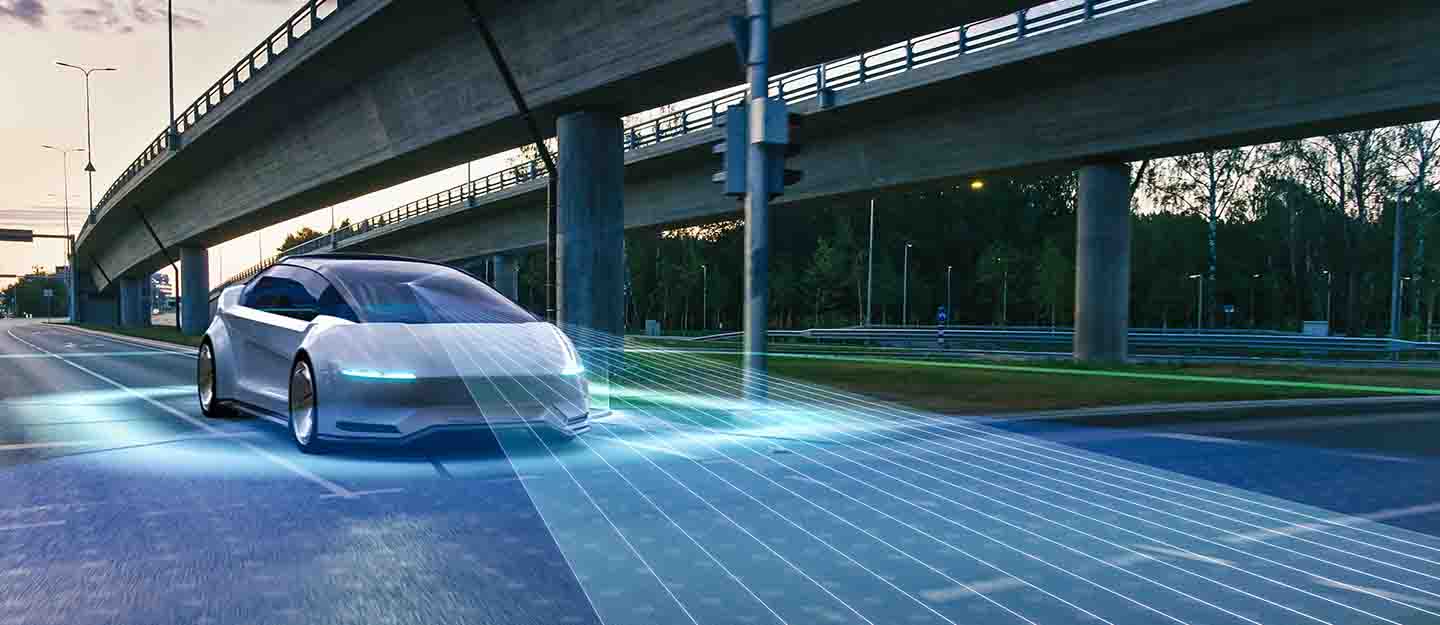
Self-driving cars have captured global attention, promising safer roads, reduced congestion and more convenience. However, as excitement grows, so do misconceptions about what autonomous vehicles can actually achieve today. While the technology is advancing rapidly, many popular beliefs about driverless cars are often overstated or misunderstood. Understanding the realities behind these myths helps set realistic expectations about the future of autonomous transportation.
Debunking Myths About Driverless Cars
Here are some common myths about self-driving cars:
Myth 1: Self-driving cars will significantly reduce traffic congestion
Many assume autonomous vehicles will ease traffic, but experts suggest the opposite may occur. Self-driving cars could increase the number of vehicles on roads as they make travel more convenient and accessible. Unless all vehicles are fully autonomous and coordinated, which is far from reality, traffic flow improvements remain limited. In mixed environments with human drivers, pedestrians and cyclists, congestion is likely to persist.
Myth 2: Autonomous vehicles are imminent, coming to all roads
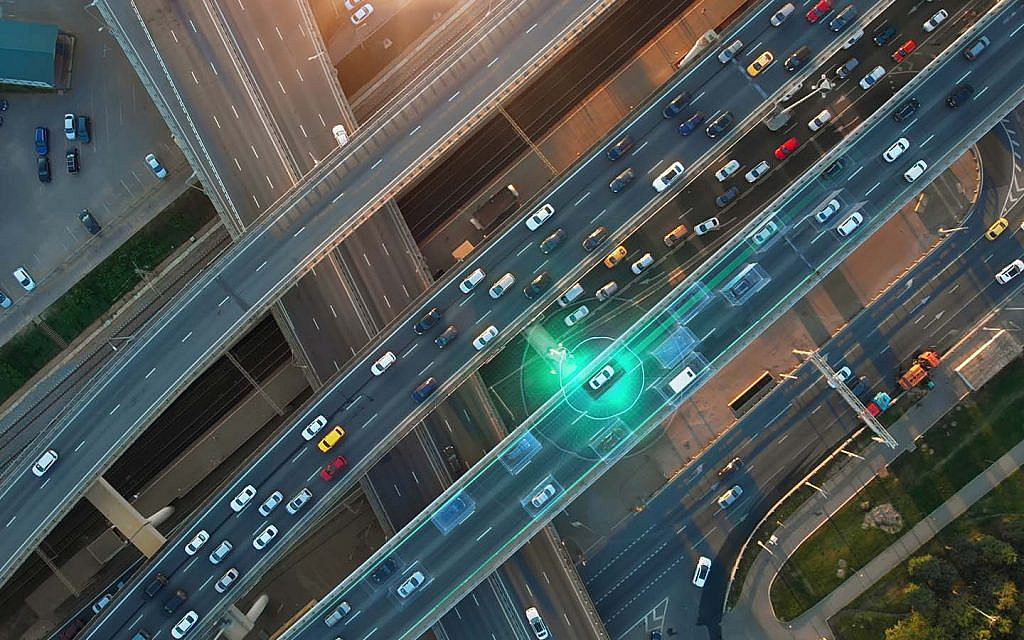
One of the myths about self-driving cars is that they will be seen on the roads in the near future. Despite growing excitement, fully autonomous cars won’t be driving everywhere soon. Current technology performs well only in controlled or geofenced areas, such as test zones or specific logistics routes. Complex road networks, unpredictable weather and real-world variables remain major challenges. The rollout of driverless vehicles will therefore be gradual and localised, not immediate or universal.

Myth 3: Self-driving cars will fix all road safety problems immediately
Automation does reduce certain human errors, but it’s not an instant solution to road safety. Today’s semi-autonomous systems still rely heavily on driver attention and have occasionally been involved in fatal crashes. True autonomy could lower accident rates in the long run, but it introduces new risks, such as system malfunctions or sensor errors. Moreover, safety improvements will come gradually as technology matures.
Myth 4: All self-driving cars will be electric or radically different
Another autonomous vehicle misconception is that there will only be electric cars or look drastically different from current models. In reality, self-driving technology can be integrated into various vehicle types, including traditional fuel-powered ones. Many existing vehicle systems, like lighting, braking and signalling, will remain essential for road compatibility and safety.
Myth 5: Autonomous vehicles will replace human driving experiences permanently
Fears that driverless cars will end the joy of driving are largely unfounded. Unlike the evolution of AVs, their adoption will be slow and will coexist with human-driven cars for decades. Many people will still choose to drive for leisure or personal satisfaction, especially in regions where car culture is strong, like the UAE. Rather than replacing human driving, self-driving technology will likely complement it, offering more options for travellers.
Myth 6: Self-driving cars will eliminate all driving-related jobs
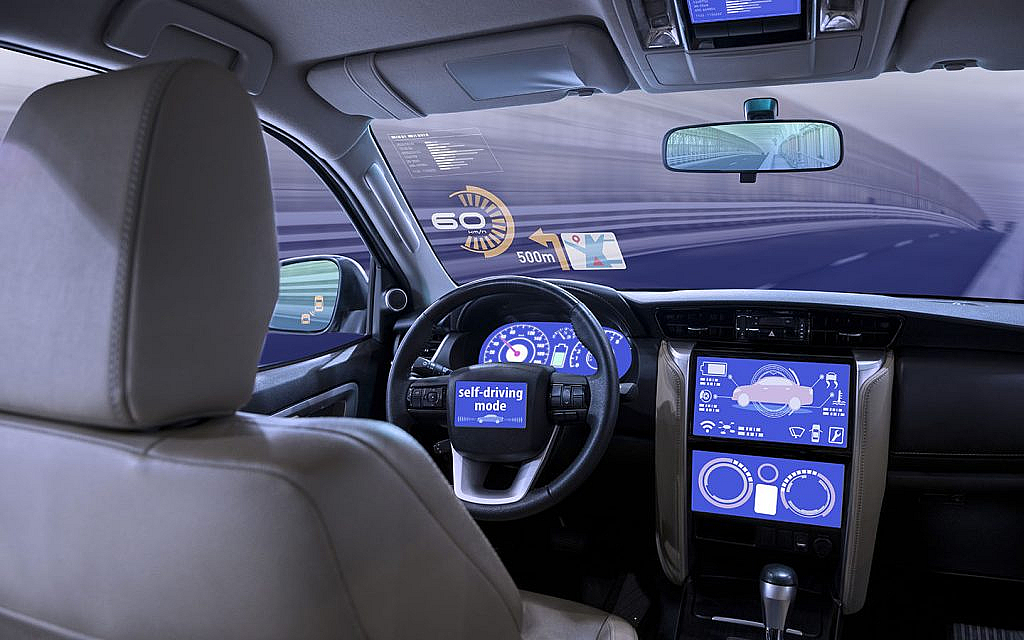
Many fear that automation will wipe out millions of driving jobs, from truckers to taxi drivers, making it one of the most common myths about self-driving cars. In reality, while some roles may change, full replacement is unlikely anytime soon. New jobs will emerge in vehicle monitoring, software maintenance, data analysis and remote operations. Human supervision will remain essential for years as the technology evolves and regulations adapt.
Myth 7: Autonomous vehicles can make ethical decisions like humans
There are several autonomous driving myths that such vehicles can handle moral dilemmas, such as choosing between two potential accident outcomes, with human-like judgment. However, AVs follow programmed algorithms and prioritise data-driven safety responses, which raises ongoing debates about responsibility in complex crash scenarios.
FAQs
Is a self-driving car an AI or not?
A self-driving car uses AI to perceive its surroundings, make driving decisions and navigate safely without human input.
What happens if a self-driving car gets into an accident?
If a self-driving car crashes, responsibility may fall on the driver, manufacturer or software developer, depending on the cause and level of automation.
Are all self-driving cars electric vehicles?
No, not all self-driving cars are electric. Autonomous technology can be installed in both electric and traditional fuel-powered vehicles.
These were some common myths about self-driving cars. Driverless cars mark a major leap in mobility, but the road to full autonomy will be gradual, marked by steady progress and challenges. Instead of an instant transformation, it’s an ongoing evolution already reflected in today’s advanced driver-assistance systems. To experience this innovation firsthand, explore the new cars for sale in the UAE that feature cutting-edge technologies.
For the latest car news, launches and more, keep reading dubizzle’s autos blog.
Related Posts