Modifying a car in the UAE is legal, provided all changes adhere strictly to the country’s car modification regulations. The set regulations are enforced by respective authorities in each emirate to ensure safety, emissions control and roadworthiness.
Understanding Legal Framework and Authorities
Vehicle modifications in the UAE are governed by a multi-tiered regulatory system involving both national standard-setting bodies and local licensing authorities.
MoIAT (formerly ESMA)
The Ministry of Industry and Advanced Technology (MoIAT), which integrated the Emirates Authority for Standardisation and Metrology (ESMA), is the federal body that sets the technical safety standards for vehicle modifications.

- Role: They certify whether specific aftermarket parts, such as suspension lifts or engine upgrades, meet UAE safety guidelines.
- Certification: To modify a car legally in the UAE, you need a certificate from a MoIAT/ESMA-approved workshop.
Local Licensing Authorities
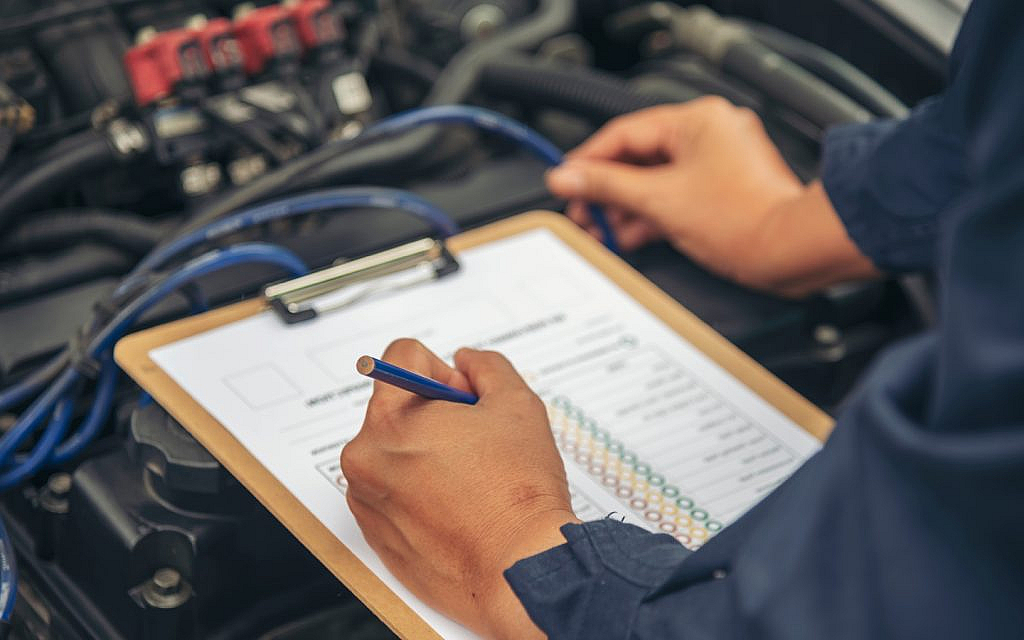
While federal laws provide the framework, the vehicle modification approval in the UAE is further handled at the emirate level:
- Dubai: The Roads and Transport Authority (RTA) governs all vehicle testing and registration. Any ‘core’ modification, such as engine and chassis change, must be inspected and updated on your vehicle’s registration card (Mulkiya) by the RTA. Vehicle inspection is carried out by RTA-approved vehicle testing centres in Dubai. Moreover, the vehicle technical inspection service by RTA can also be booked online
- Abu Dhabi: The General Directorate of Police manages vehicle licensing. Modified vehicles are tested and inspection is conducted at ADNOC inspection centres.
Similar is the case with other emirates, where the local police or relevant authorities license car modifications under the MoIAT set standards.
What Is Strictly Prohibited Without Exception
Certain modifications are banned under car modification rules in the UAE:
- Excessive engine changes, turbo installation or engine swaps that exceed original specifications.
- Nitrous oxide systems (NOS) or power adders that affect emissions or safety.
- Straight-piped or loud exhausts beyond noise caps exceeding 95 decibels. This is why driving a noisy car in the UAE is not recommended.
- Flashing/neon underbody lights or super-bright LEDs that distract other drivers.
- Unauthorised structural alterations to chassis or frame. Illegal car modifications in the UAE can result in fines and even license suspension.
Consequences of Illegal Modifications

Failure to comply with the car modification laws in the UAE carries strict penalties:
- Fines range widely based on the violation. Fines can range from AED 1,000 to AED 10,000 based on impoundment release.
- Up to 12 black points against the driver’s license.
- Vehicle impoundment until compliance is achieved.
- Insurance invalidation or refusal of claims.
- Registration cancellation or legal action in serious cases.
FAQs
Which authority approves car modifications in Dubai and Abu Dhabi?
RTA, in compliance with Dubai Police, approves and registers modifications in Dubai. On the other hand, Abu Dhabi Police manages licensing and inspections are done at ADNOC centres under MoIAT standards.
Are engine modifications allowed in the UAE?
Yes, but only within MoIAT safetystandards—excessive engine changes, turbo installs, or engine swaps beyond original specs are prohibited.
Is it legal to modify car exhaust systems in the UAE?
Only if the exhaust sound stays within legal noise limits. Straight-piped or loud exhausts exceeding 95 dB are illegal.
Successfully modifying your vehicle in the UAE depends on understanding and abiding by the government-approved car modifications framework. It is mandatory to opt for certified professionals, keep all certificates and updated registration documents in the vehicle to avoid fines or legal issues. This is how to avoid losing a driver’s licence in Dubai and other emirates.
When buying a used car in the UAE, check if it is modified or in its original condition. Also, check whether the modification complies with the UAE laws and regulations.
For more information on vehicle modifications, stay connected with the UAE’s leading car blog.
Related Posts