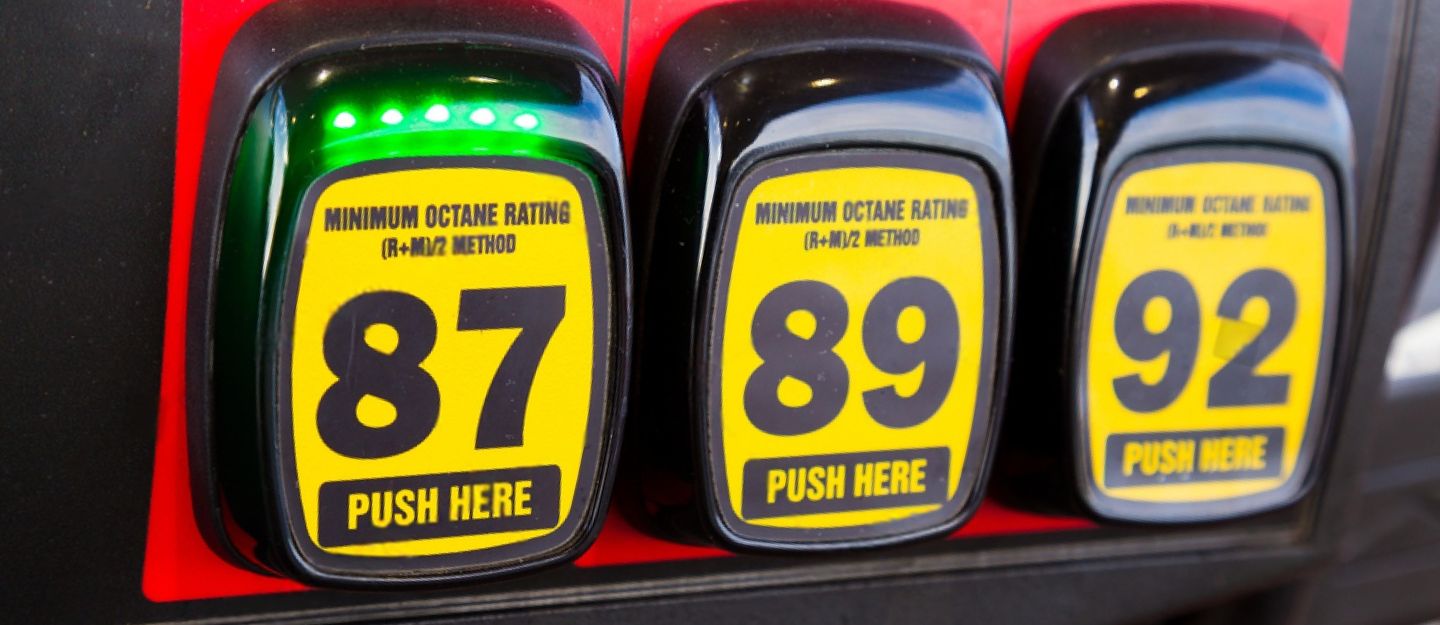
Selecting the right fuel is a critical aspect of vehicle maintenance and performance. In the UAE, petrol stations offer options like Special 91, Super 95 and Premium 98. Many drivers wonder if mixing high-octane fuel with regular fuel can boost performance or cut costs. While modern engines generally handle blended fuels well, results vary depending on the vehicle and driving style. To efficiently use this mixture, you must understand the octane ratings and other relevant aspects. Here’s more information on it.
Understanding Octane Ratings
The octane rating of gasoline measures its resistance to knocking or pinging during combustion, which occurs when the air-fuel mixture detonates in the engine. Higher octane fuels can withstand greater compression before detonating, making them suitable for high-performance or high-compression engines. Using the appropriate octane rating as specified by the vehicle manufacturer is essential for optimal performance and to prevent engine damage.
Key Considerations When Mixing Fuels
While mixing fuels is safe, it’s essential to consider premium fuel compatibility and several factors to ensure the mixture aligns with the vehicle’s requirements and operating conditions.
Understand Your Vehicle’s Octane Requirements
Before mixing fuels, consult your vehicle’s owner manual to determine the recommended or required octane rating. Some engines are designed to run on regular petrol, while others require premium fuel for optimal performance and to prevent engine knocking. Using regular fuel in a premium vehicle can lead to reduced performance and potential engine damage.
Calculate the Resulting Octane Rating
When mixing fuels of different octane ratings, the resulting octane level is typically a linear blend based on the volume ratio. For example, mixing equal parts of 87 and 93 octane fuels yields a blend with an octane rating of approximately 90. Use the following formula to calculate the blended octane:

(Volume A × Octane A + Volume B × Octane B) / (Volume A + Volume B) = Blended Octane
Use High-Quality Fuels
Always use fuels from the popular fuel pumps in the UAE to ensure quality and consistency. High-quality fuels contain additives that help clean the engine and improve performance. Avoid octane booster fuel mixing from unknown or unreliable sources, as this can have contaminants and negatively impact engine health.
Monitor Engine Performance
After mixing fuels, pay attention to your vehicle’s performance. If you notice any knocking, reduced power or decreased fuel efficiency, it may indicate that the blended fuel does not meet your engine’s requirements. In such cases, revert to the recommended fuel grade and consult a professional mechanic if issues persist.
Avoid Mixing in Older Vehicles Without Knock Sensors
Older vehicles lacking modern engine management systems and knock sensors may not adjust effectively to varying octane levels. In such cases, mixing fuels can lead to engine knocking and potential damage. It’s advisable to use the fuel grade specified by the manufacturer for these vehicles.
Benefits of Mixing High-Octane and Regular Fuel
Mixing high-octane fuel with regular fuel can offer several performance and operational characteristics.
Smooth Engine Operation in Variable Conditions
Modern engines are often equipped with knock sensors and dynamic engine management systems. When a driver adds high-octane fuel to regular fuel, creating a mid-grade blend, the vehicle’s control system can adjust ignition timing more favourably. This often allows the engine to run more smoothly, especially under heavy load or high temperatures.
Greater Knock Resistance in Engines with Variable Timing
Higher-octane blends resist knocking better than lower-octane fuel. Even if the engine is designed for regular gasoline, some modern engines, like those using variable valve timing or turbocharging, can benefit from increased knock resistance. Adding premium fuel to regular fuel in these engines can help the control system optimise timing, potentially improving efficiency and refinement during demanding driving scenarios.
Minimal Risk in Modern Fuel Systems
The occasional blending of fuels to achieve a slightly higher octane level poses no mechanical risk in vehicles equipped with electronic fuel injection. The engine control module (ECM) continuously monitors combustion and adjusts parameters like spark timing and fuel injection.
Potential for Improved Performance
In adaptable engines, such as many Japanese or German turbocharged units, higher-octane fuel may help advance timing and slightly boost pressure. This may result in better throttle response and acceleration. However, the degree of improvement depends on the vehicle’s fuel map and software.
FAQs
Can you mix premium and regular petrol?
Yes, you can mix premium and regular petrol. The resulting octane will be a blend, safe for most modern engines.
Can older cars handle mixed fuel safely?
Older vehicles without electronic knock control may not respond optimally to changes in octane. It’s best to stick to the manufacturer’s recommended fuel types in Dubai.
Is it okay to mix fuels from different fuel stations?
Yes, as long as both fuels are from reputable stations and meet minimum fuel standards. Avoid mixing if fuel quality is uncertain.
High-octane vs regular fuel, which fuel reduces engine knocking?
Yes, raising the octane rating can help reduce knocking in engines that are sensitive to low-octane fuel, especially under load or high heat.
Mixing high-octane with regular fuel raises octane levels and supports smoother operation in some vehicles. Follow the manufacturer’s guidelines and calculate blends accurately to ensure safe operation and optimal performance.
If you’re exploring used cars in the UAE, understanding how to mix high-octane and regular fuel can help maintain engine reliability. For brand-new vehicles, go through these new cars for sale in the UAE.
For more on car fuel, mechanisms, parts and various car tips, stay tuned to UAE’s leading auto blogs.
Related Posts