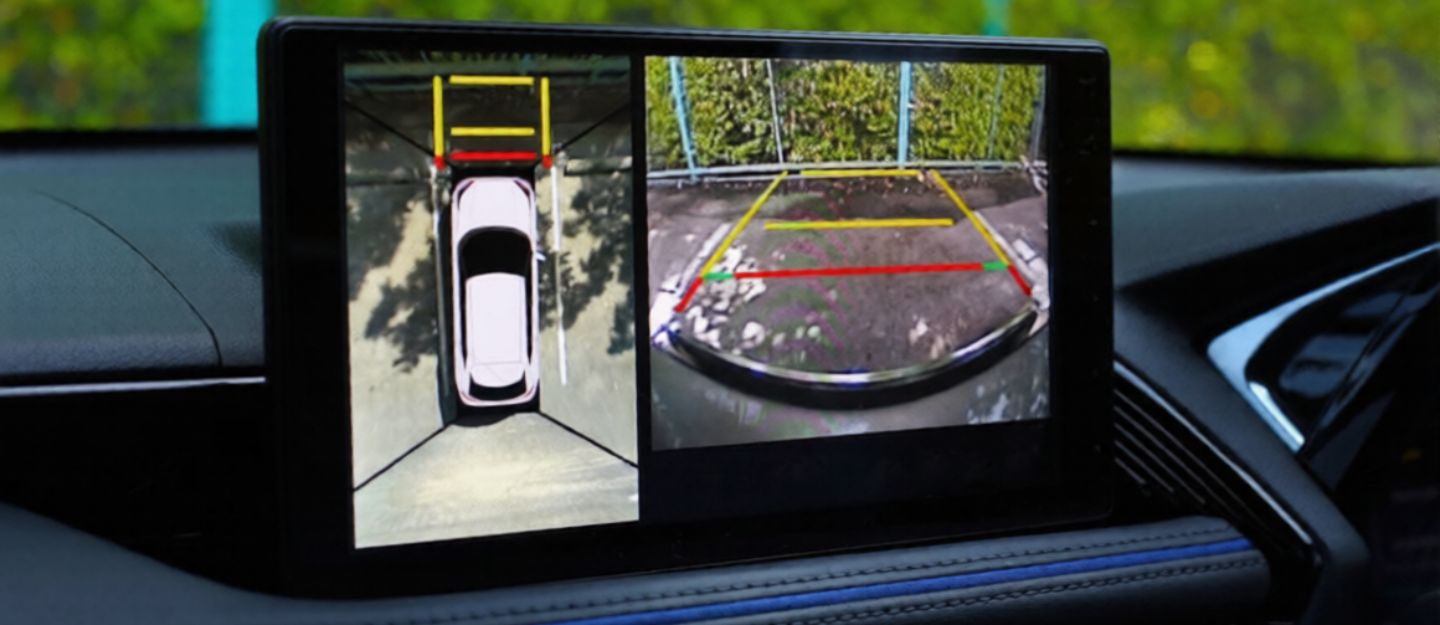
Car braking systems have evolved from basic mechanical setups to advanced electronic controls. Modern vehicles use radars, sonars and control units to improve braking response and stopping distance, reducing the risk of collision. One such advancement in vehicle safety technology is low-speed braking control, an advanced safety feature designed to operate at low speeds.
What Is a Low-Speed Braking Control System
Low-speed braking control is an advanced safety feature that helps reduce the risk of collision while parking or manoeuvring in tight spaces. The system operates when the vehicle is moving at low speeds, typically between 2 and 10 km/h. The core function of low-speed braking control in cars includes:
- The system detects obstacles around the vehicle when it’s moving at low speed and can automatically apply brakes to avoid a collision.
- The system can limit engine throttle response at low speeds to reduce unintended acceleration.

How Low-Speed Braking Control Works
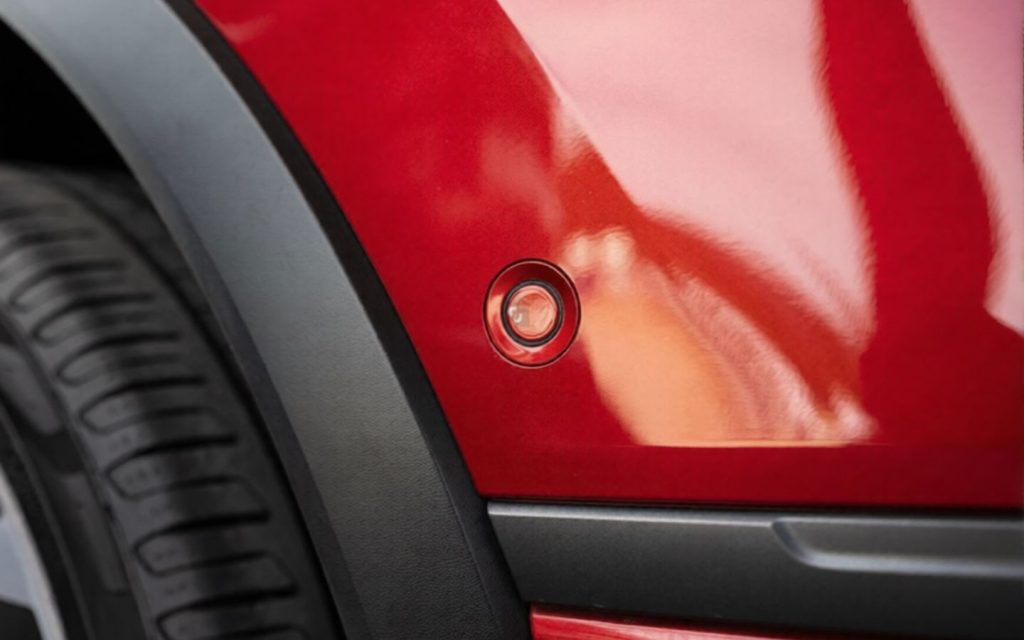
Low-speed braking control uses radars and parking sensors to assess the area around the vehicle. The system monitors the surrounding area and alerts the car computer in case of a nearby obstacle. The system works through the following steps:

- Step 1: The system uses radars and sensors mounted on the front and rear bumper to assess the surrounding area.
- Step 2: The information from the sensors and radars is transferred to the Engine Control Unit (ECU).
- Step 3: Depending on the situation, the engine control unit either applies brakes or limits throttle response.
- Step 4: Once the vehicle comes to a complete stop or the throttle is adjusted, drivers can press the accelerator or brake pedal to resume normal functioning.
Benefits and Limitations of Low-Speed Braking System
The following are the pros and cons of using low-speed braking systems in cars.
Benefits
Using a low-speed braking system offers multiple benefits, including:
- The system helps prevent parking lot accidents and collisions.
- The reduced risk of collision helps in lowering the maintenance cost of the car.
- The system helps drivers park the vehicle conveniently.
Limitations
The cons of using low-speed braking control are as follows:
- The system is only operational at a low speed.
- Dirty, damaged or blocked sensors can affect the system’s efficiency.
FAQs
What is low-speed braking control?
Low-speed braking control is a driver-assistance feature that helps reduce the risk of collisions when parking or manoeuvring at low speeds.
How does a low-speed braking control system work?
The low-speed braking system uses sensors, radars or cameras to monitor the area around the vehicle and automatically apply the brakes or reduce the throttle response to avoid a collision.
What is the difference between low-speed braking control and automatic emergency braking?
Low-speed braking control works mainly during parking and slow-speed manoeuvres. Whereas automatic emergency braking is designed to detect collision risks at higher driving speeds.
At what speeds does low-speed braking control operate?
Low-speed braking control typically operates at lower speeds, usually around 2 to 10 km/h.
This is all about the low-speed braking system, its features and working. Similar to low-speed braking, modern cars come equipped with several driver-assist and safety technologies that help reduce accident risk and support safer driving. Therefore, whether buying new or used cars for sale in the UAE, it is important to check that the vehicle includes essential safety and driver-assist features.
Stay tuned to dubizzle’s auto blog to learn more about the front collision mitigation system.
Related Posts